The smell of India · 2500 BCE–2023
Curry doesn't stink, you do
The word curry began as the Tamil for pepper, and for 2,000 years the world paid gold for that smell. Rome, Lisbon, Amsterdam and London sailed for it. Then some of their descendants decided it stank.
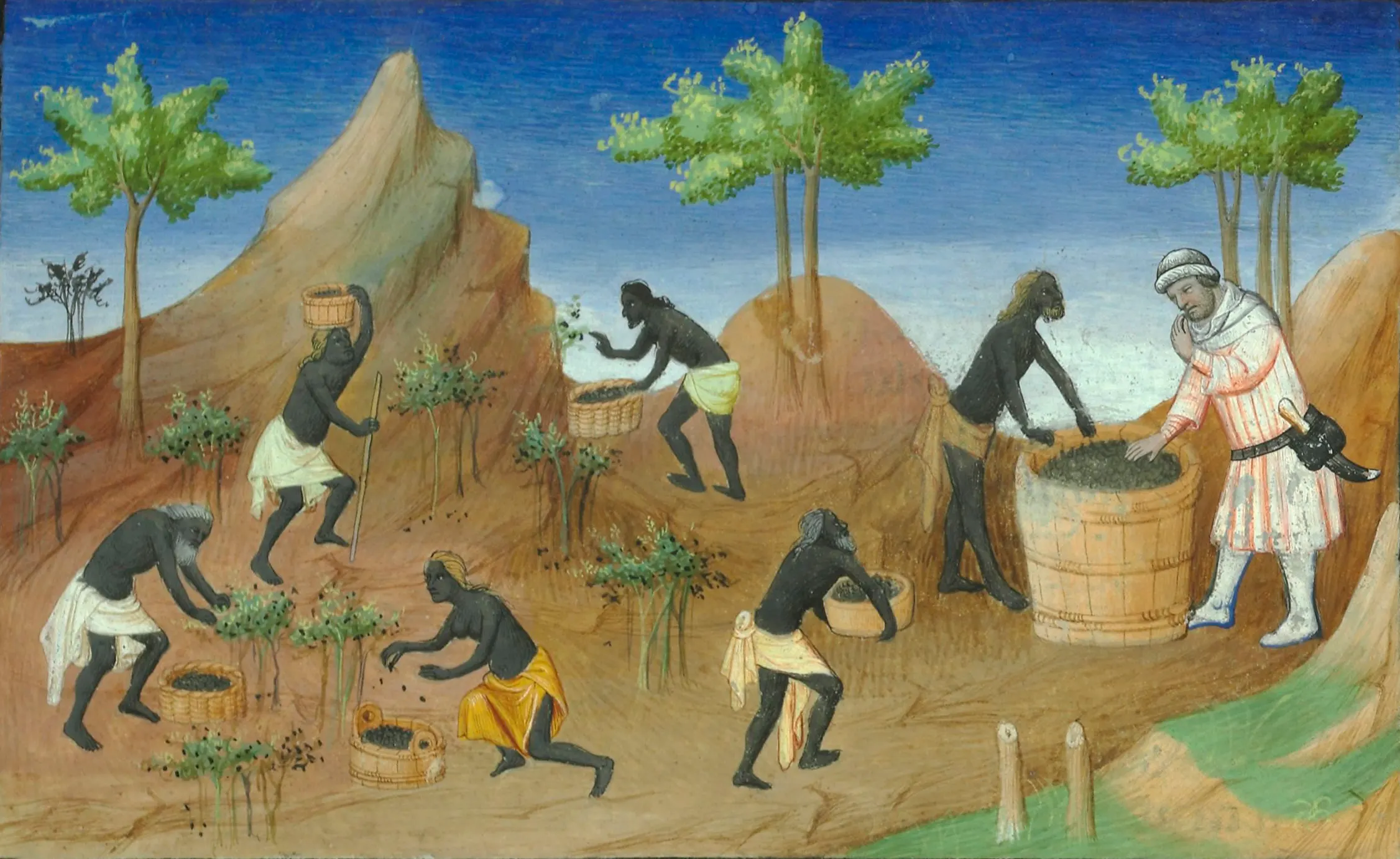
The pepper harvest at Coilum (Kollam, on the Malabar coast), as a Paris workshop imagined it about 1410 for a copy of Marco Polo's travels.
अन्नं न निन्द्यात् । तद्व्रतम् ।
annaṃ na nindyāt | tad vratam |
“Do not blaspheme food, that shall be your vow.”1
On 5 September 2023 Aditya Prakash, a doctoral student in anthropology at the University of Colorado Boulder, was warming his lunch of palak paneer in the department microwave. By his account, a member of staff told him the smell was “pungent”. He and his partner, Urmi Bhattacharyya, also a doctoral student there, said that what followed was a campaign of retaliation, and they sued. In September 2025 the university settled for $200,000 and awarded them master’s degrees. It denies any liability.2
Twelve years earlier, in Singapore, a family newly arrived from mainland China complained about the smell of their Indian neighbours’ curry. Under a mediated agreement the Indian family would cook curry only when the neighbours were out. On 21 August 2011, tens of thousands of Singaporeans who had signed up to a Facebook page called “Cook and Share a Pot of Curry” did exactly that.3
This article is about the curry, and the 4,500 years of record behind its smell.
Curry was the word for pepper
About 2,000 years ago a Tamil poet described the port of Muziris on the Kerala coast, where “the fine ships of the Yavanas come with gold and leave with pepper”. The Yavanas were the Greeks and Romans. The Tamil word for the pepper they took away is kari.4 Over the centuries kari came to mean the spiced sauce served over rice. The Portuguese wrote it as caril, and in 1598 an English translation of a Dutch traveller’s account noted a dish over rice “called Carriel”. English made it “curry”.5
Another Sangam poem, the Perumpāṇāṟṟuppaṭai, tells a wandering bard what he will be given in a Brahmin village, where parrots are taught to recite the Vedas: rice cooked at sunset, and pomegranate “mixed with warm butter from fragrant buttermilk of tawny cows, mixed with fresh curry leaves and black pepper”, with pickles of tender mango on the side. The word for pepper in that line is kaṟi again.6
So the word Europe uses for Indian food began as the name of the spice it most wanted to buy. No Indian kitchen used it as Europe does. Indian cooks name dishes by what goes in them and how they are cooked: korma, kalia, salan, kuzhambu, rasam, jhol, bhuna, dopiaza.7
The oldest kitchen on record
At Farmana in Haryana, a Harappan town of about 2600–2200 BCE, the archaeologists Arunima Kashyap and Steve Weber scraped starch grains from cooking pots and from the teeth of the dead. In the pots they found aubergine, ginger and turmeric.8 “Then we knew we had the oldest record of ginger and turmeric,” Weber said.9 At Kalibangan in Rajasthan, early Harappan houses had clay ovens in the courtyard. The excavator J.P. Joshi noted that they were set in the north-western corner, which he took as a sign that the cooks were “conscious of smoke pollution”.10
Black pepper grows wild in the Western Ghats.11 When Ramesses II died in Egypt in 1213 BCE, his embalmers pushed black peppercorns into his nose.12 Nobody knows how they got there from India.
The oldest Indian medical texts treat spices as both food and medicine. The Charaka Samhita, about 2,000 years old, lists celery seed, nigella, cumin, ajwain and coriander among the foods that “are appetizing, stimulate digestion” and, in its Sanskrit, are daurgandhya-nāśanam: destroyers of foul smell.13
कारवीकुञ्चिकाऽजाजीयवानीधान्यतुम्बुरु । रोचनं दीपनं वातकफदौर्गन्ध्यनाशनम् ॥
kāravī kuñcikā 'jājī yavānī dhānyatumburu | rocanaṃ dīpanaṃ vātakaphadaurgandhyanāśanam ||
Celery seed, black cumin, cumin, ajwain, coriander and tumburu “are appetizing, stimulate digestion, alleviate vata and kapha, and remove foul odour.”
Rome paid in gold
Rome could not get enough of it. Pliny the Elder, writing about 77 CE, complained that India drained the empire of no less than 50 million sesterces a year, for goods that sold in Rome “at fully one hundred times their prime cost”.14 He could not understand the craze. Pepper had nothing to recommend it but its bite, he wrote, “and yet it is for this that we import it all the way from India! Who was the first to make trial of it as an article of food?” Black pepper sold at 4 denarii a pound, white at 7, long pepper at 15: “we buy them by weight, just as if they were so much gold or silver”.15
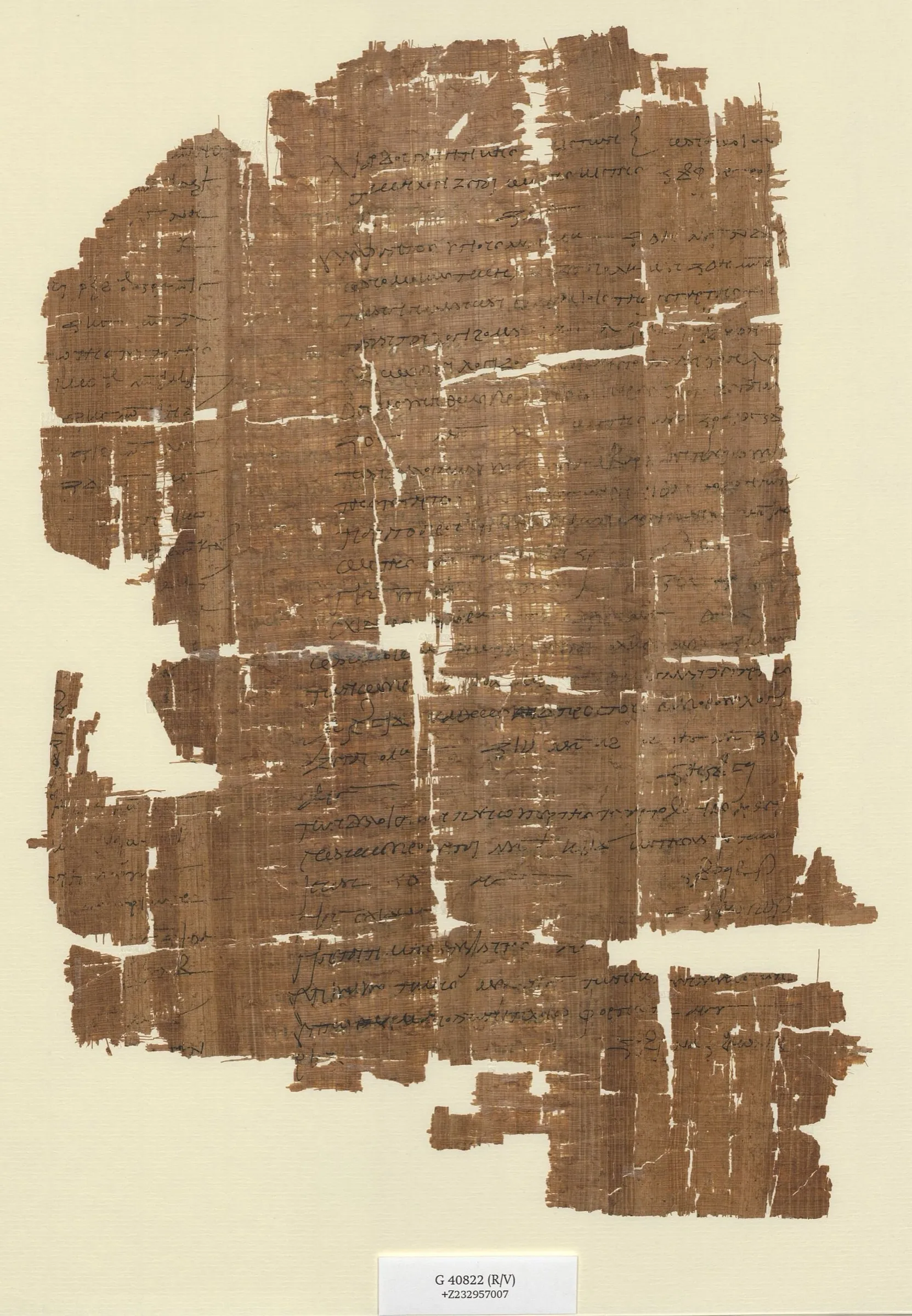
A Greek merchants’ guide of the same century, the Periplus of the Erythraean Sea, said the big ships went to Muziris “on account of the great quantity and bulk of pepper”, and brought “a great quantity of coin” to pay for it.16 A papyrus in Vienna records the cargo of one ship, the Hermapollon, returning from Muziris in the second century. After the 25 per cent import tax, the part left to its owners was valued at 6,911,852 drachmas. Most scholars take the bulk of the cargo to have been pepper.17
Roman cooks put pepper in almost everything. In the collection of Roman recipes that goes under the name of Apicius, pepper appears in roughly three-quarters of them, by this paper’s count of the 1936 English translation.18 Domitian built pepper warehouses, the Horrea Piperataria, on the Sacred Way in the heart of Rome.19 In 408, when the Visigoth Alaric besieged the city, the ransom the Senate agreed to pay included five thousand pounds of gold, thirty thousand of silver, four thousand silk robes and “three thousand pounds of pepper”.20
Empires sailed for it
On 4 November 1492 Christopher Columbus, who thought he had reached the Indies, showed the people of Cuba samples of cinnamon and pepper he had brought from Castile and asked where to find more. In January 1493 he wrote of a plant the islanders called aji, “which is their pepper, which is more valuable than pepper”.21 It was the chilli. That is why English still calls it a pepper.
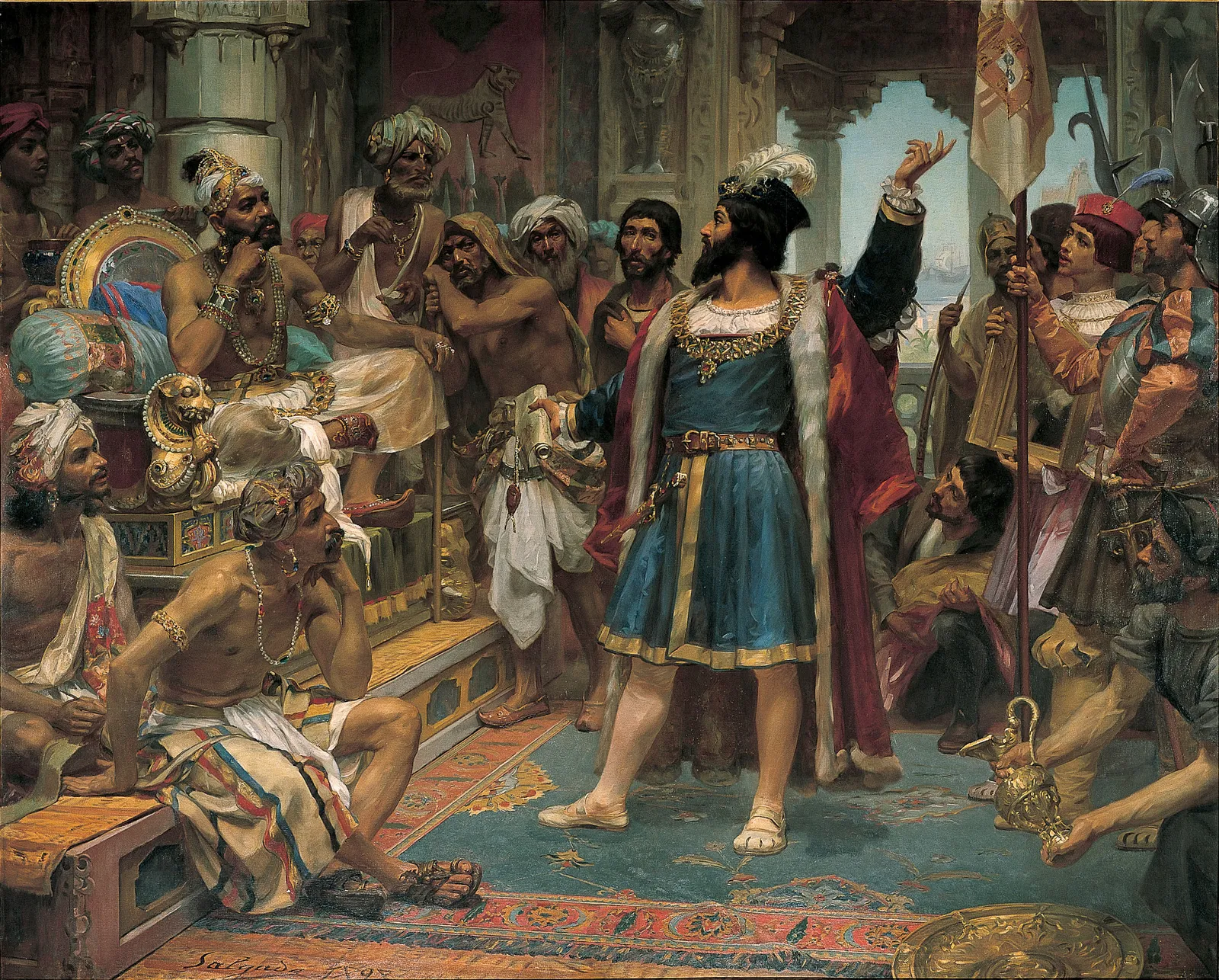
Six years later Vasco da Gama reached Calicut. When one of his men went ashore, two merchants from Tunis met him with “May the Devil take thee! What brought you hither?” He told them the Portuguese “came in search of Christians and of spices”.22
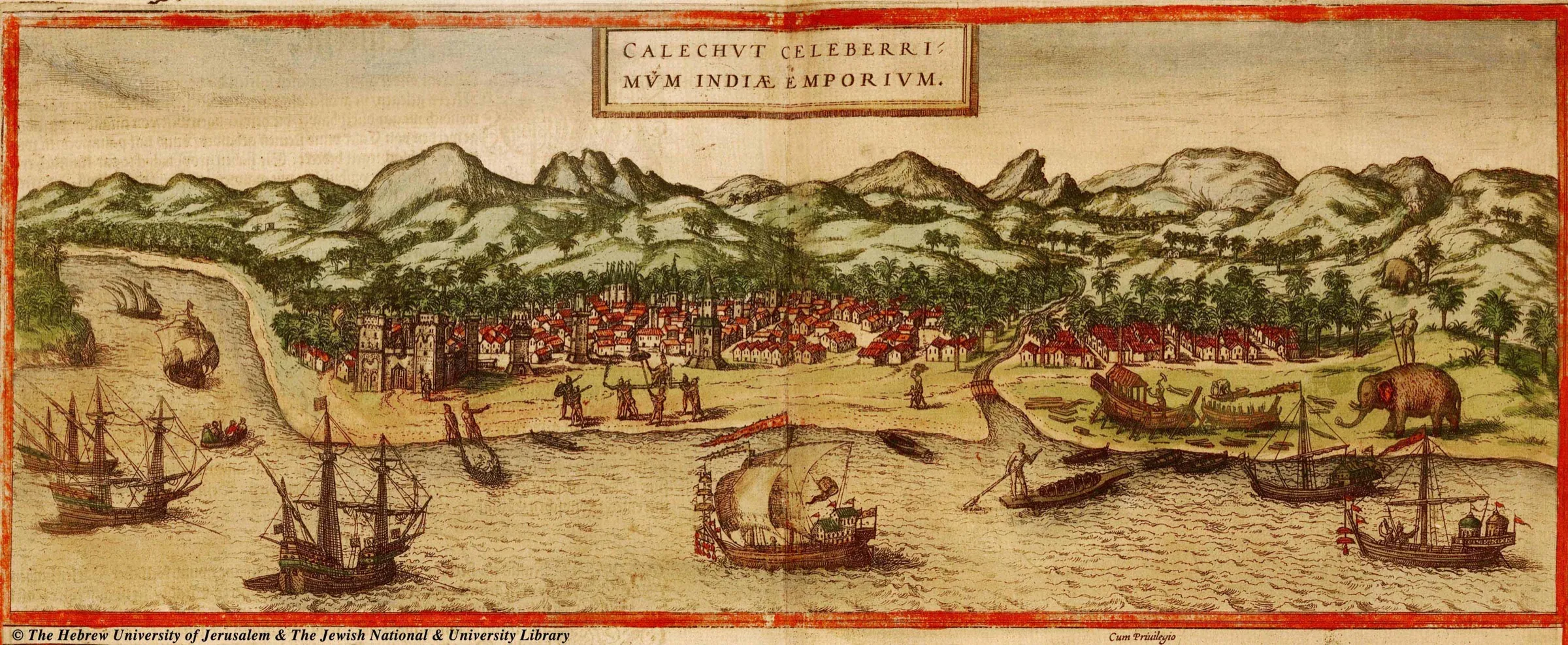
The English East India Company received its charter on 31 December 1600 and the Dutch East India Company was founded in 1602.23 In 1621 the Dutch conquered the Banda Islands in Indonesia, the only source of nutmeg and mace. Of a population put at about 15,000, about 14,000 were killed, enslaved or driven out.24 Calicut, the pepper port, was already famous enough by 1572 to appear in the great European atlas of the world’s cities.
England once spiced everything
The English did not always cook plain. The Forme of Cury, compiled about 1390 by the master cooks of Richard II, calls for pepper, ginger, cinnamon, galingale, cloves, saffron and two house spice mixtures, “powdour fort” and “powdour douce”, recipe after recipe. Rabbit was fried with currants and onions and finished with red wine, sugar and “powdour of peper. of gynger of canel”.25
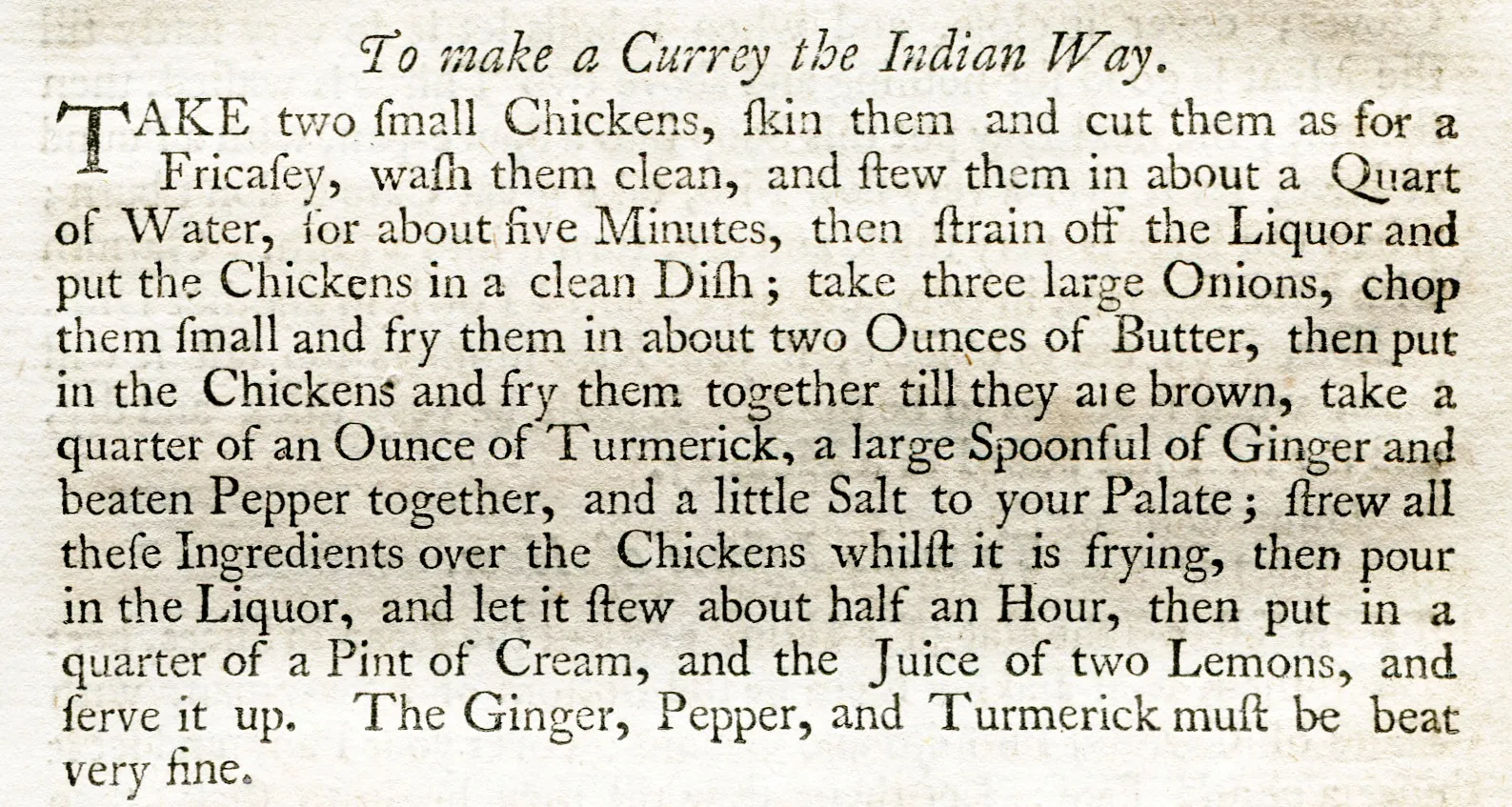
The change came later, and partly by choice. In the 17th century the French led elite European cooking away from heavy spice towards herbs and butter, and as Dutch and English ships made spices cheap, they stopped being a sign of wealth.26 In 1747 Hannah Glasse published The Art of Cookery Made Plain and Easy, which mocked the French cook who used “six Pounds of Butter to fry twelve Eggs”.27 It also carried the first curry recipe printed in English, “To make a Currey the India way”. Her spices were thirty peppercorns and a spoonful of coriander seed, browned over the fire “in a clean Shovel”.28
By 1945 George Orwell could write that “it is commonly said, even by the English themselves, that English cooking is the worst in the world”. He was defending it, and even so he conceded that “you practically don’t find good English cooking outside a private house”.29 A year later the Hungarian-born humorist George Mikes put it more briefly: “On the Continent people have good food; in England, people have good table manners.”30
India wrote it down
India was writing its recipes down long before Glasse. In 1130 Someshvara III, a Chalukya king in the Deccan, compiled the Manasollasa, an encyclopaedia with a long section on food. It describes rice, dals, vegetables, meat and fish, and a fermented black-gram batter, iddarika, the ancestor of the idli. Its spices include black and long pepper, ginger, cinnamon, cardamom, cumin, coriander, asafoetida, fenugreek and saffron.31 For fish it says: “Cook along with tamarind juice. Sprinkle well with wheat flour. Fry in heated oil till brown. Add rock salt. Sprinkle powdered cardamom and pepper.”32 Its pork is minced, spiced with ginger, asafoetida, coriander and black cumin and fried in balls; its meatballs, mixed with aubergine, radish and sprouted gram, go into “curry seasoned with various spices”.33
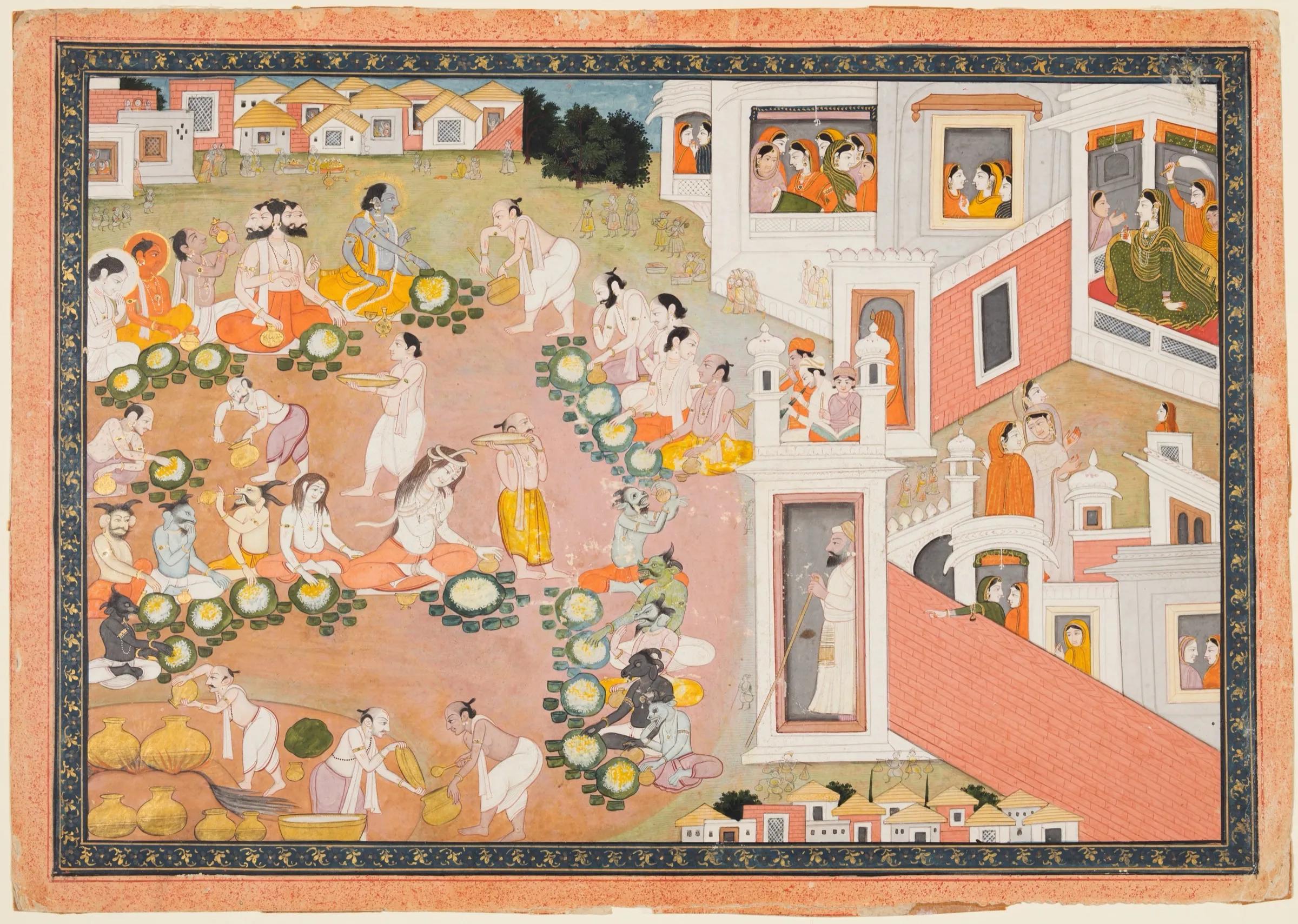
The temples kept the accounts. About 1013 the Chola king Rajaraja I had the offerings for the great temple at Thanjavur cut into its walls, down to the spices: “one sevidu and a half of pepper for fruit curry”, pepper for tamarind curry, “three sevidu of pepper for pepper powder”, then mustard, cumin, sugar, ghee and tamarind, each paid for in paddy.34 An inscription at Tiruchendur names the five spices of the temple kitchen as “pepper, turmeric, cumin, small mustard, and coriander”.35
The epics made cooking a royal skill. In the Mahabharata, when the Pandavas must spend a year in disguise, Bhima, the strongest of the five brothers, goes to King Virata’s court as a cook named Vallava, “holding in hand a cooking ladle and a spoon, as also an unsheathed sword”. “I am skilled in dressing dishes,” he tells the king. “It is not curries only of which I have knowledge.” Virata makes him superintendent of the kitchen.36 King Nala, in disguise as a charioteer, also “surpass[es] others in the art of cooking”; his wife Damayanti, who had often eaten “meat dressed by Nala”, finds him out by tasting a dish from the kitchen.37
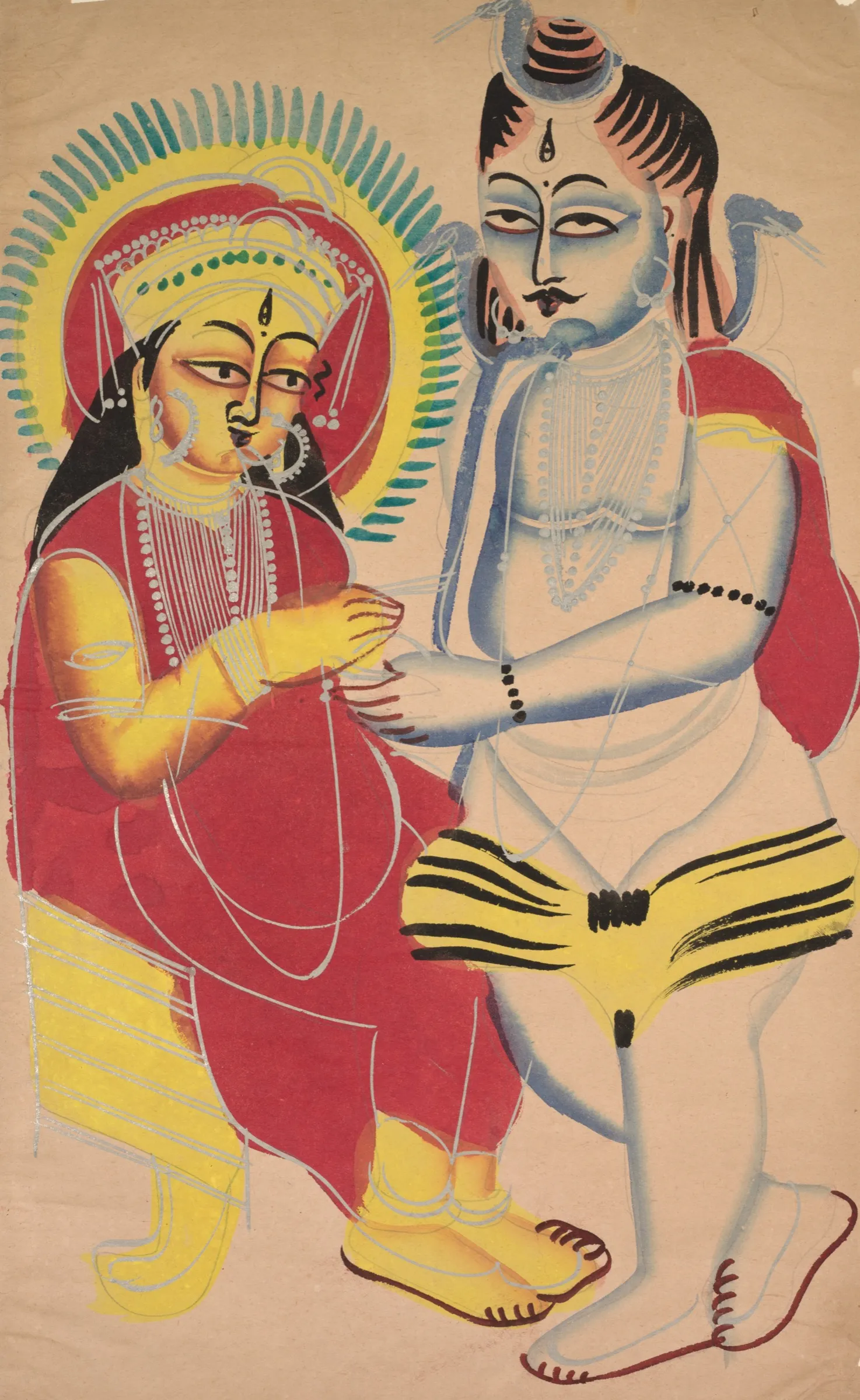
न कञ्चन वसतौ प्रत्याचक्षीत । तद्व्रतम् । ... अराध्यस्मा अन्नमित्याचक्षते ।
na kañcana vasatau pratyācakṣīta | tad vratam | ... arādhy asmā annam ity ācakṣate |
“Do not turn away anyone who seeks shelter and stay. This is the vow. … They should say: ‘Food is ready.’”1
Curry comes to London
On 20 August 1887 Queen Victoria wrote in her journal: “Had some excellent curry prepared by one of my Indian servants.”38
Four years later a young Hindu law student explained Indian food to the readers of The Vegetarian in London. Indians “don’t believe in plain boiled vegetables”, wrote M.K. Gandhi, “but must have them flavoured with plenty of condiments, e.g., pepper, salt, cloves, turmeric, mustard seed, and various other things for which it would be difficult to find English names”. “Simply boiled vegetables are never eaten. I never saw a boiled potato in India,” he added. “India would far outbid France in cooking vegetables nicely.”39
In 1900, at a camp in California, Swami Vivekananda cooked for his American followers. “He made curry for us and showed us how they grind spices in India,” Ida Ansell remembered. It was “quite hot enough for us; but Swami would augment it by eating tiny red-hot peppers on the side.”40
Veeraswamy opened on Regent Street on 21 April 1926 and is the oldest Indian restaurant still trading in Britain.41 Britain now has somewhere between 8,000 and 12,000 curry houses, depending on who is counting.42
Why it smells so good
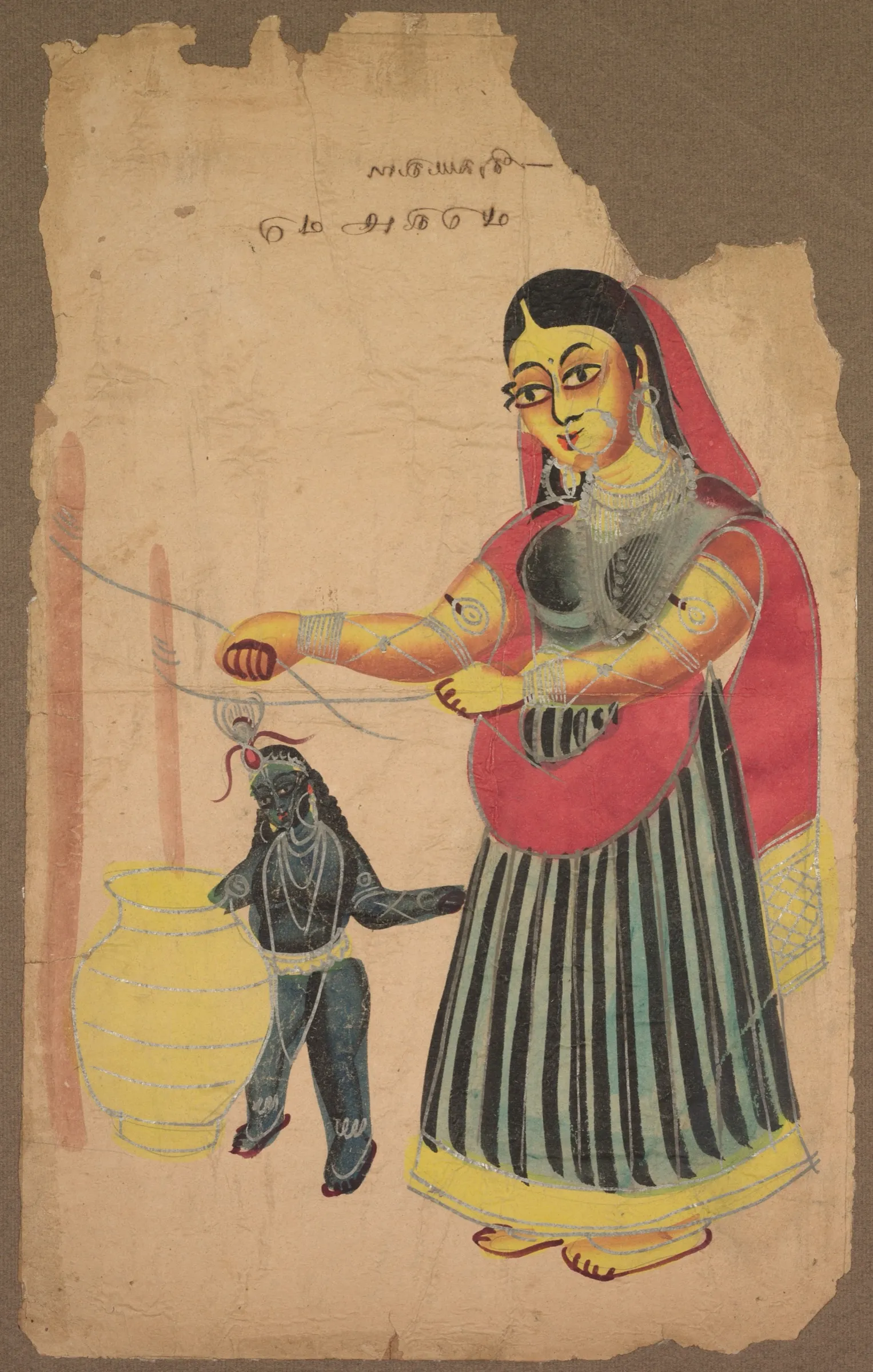
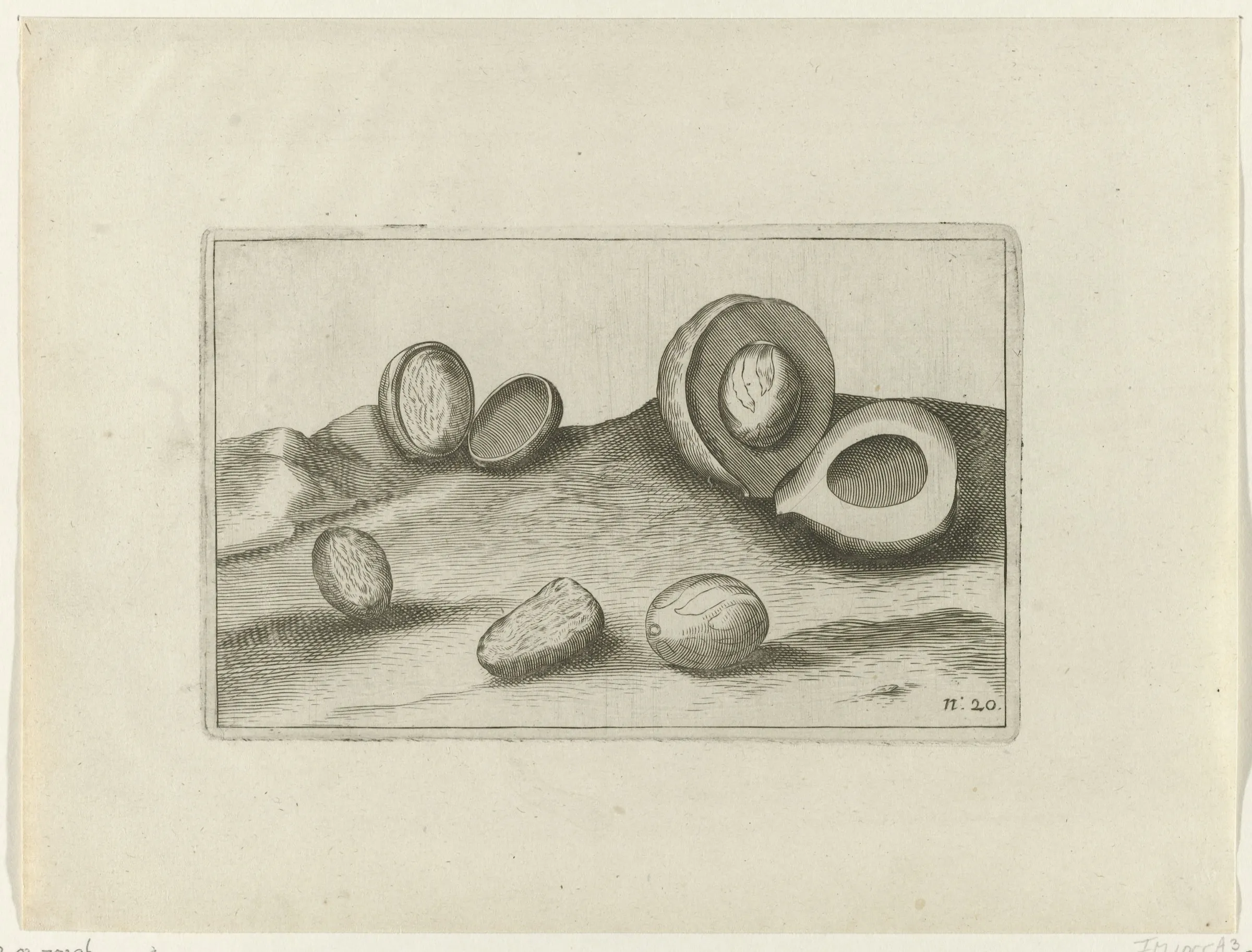
Each spice carries its own aromatic oil. In cumin the main compound is cuminaldehyde, in clove eugenol, in cinnamon bark cinnamaldehyde and in coriander seed linalool. Cardamom’s scent is mostly alpha-terpinyl acetate and 1,8-cineole, and turmeric’s comes from the turmerones; curcumin gives the colour and has little smell. The heat of black pepper comes from piperine, but its peppery aroma comes from rotundone, a compound found in peppercorns at about 10,000 times the level in the most peppery wine.43
Most of these compounds dissolve in fat, not water. That is the reason for the tadka. Whole spices dropped into hot ghee or oil burst their oil glands, and the fat takes up the aromatics and carries them through the dish; the browning adds roasted notes of its own.44 A sealed dum pot keeps the vapours in.
In 2015 Anupam Jain, Rakhi N.K. and Ganesh Bagler, then at IIT Jodhpur, analysed 2,543 recipes from eight regional cuisines of India. Western cooking tends to pair ingredients that share flavour compounds. Indian cooking, they found, does the opposite: the more flavour two ingredients share, the less often they appear together. “Spice and dairy emerged as the most significant ingredient classes” behind the pattern, and the spices drove it.45
An earlier study, by Jennifer Billing and Paul Sherman of Cornell in 1998, went through 4,578 meat recipes from 36 countries. Hot countries used spices more often than cold ones, and India was near the top. Sweden, Finland and Norway were at the bottom.46
On 19 April 2001 Robin Cook, Britain’s foreign secretary, told the Social Market Foundation in London: “Chicken Tikka Massala is now a true British national dish.”48
Sources and notes48
Footnotes
-
Taittiriya Upanishad 3.7 and 3.10.1, trans. Swami Sivananda. https://shlokam.org/texts/taittiriya-3-7/. Confidence: verified. ↩ ↩2
-
CU Independent, 15 January 2026, https://cuindependent.org/2026/01/15/cu-settles-lawsuit-with-doctoral-students-alleging-discrimination-and-retaliation/; American Kahani and Gulf News reports, January 2026. The “pungent” remark is Prakash’s account. Reports disagree on whether the suit was filed in May or September 2025. Confidence: reported. ↩
-
National Library Board, Singapore, Infopedia article on the 2011 curry dispute, https://www.nlb.gov.sg/main/article-detail?cmsuuid=bcea3bb0-06d7-4ca6-8d9e-37a8bea0e1f3; Today, 8 August 2011. Confidence: reported. ↩
-
Akananuru 149, lines 8-10, by Erukkattur Thayankannanar, trans. Vaidehi Herbert. https://sangamtranslationsbyvaidehi.com/ettuthokai-akananuru-121-300/. The Sangam poems are usually dated to the first three centuries CE; the dating is debated. Confidence: verified. ↩
-
Henry Yule and A.C. Burnell, Hobson-Jobson, ed. William Crooke (1903), “Curry”, p. 283; Oxford English Dictionary, “curry”, first citation 1598 (the English Linschoten). Middle English “cury”, as in The Forme of Cury, means cookery and is a different word. Confidence: reported. ↩
-
Perumpāṇāṟṟuppaṭai 297-310, trans. Vaidehi Herbert; kaṟi at line 307. https://sangamtranslationsbyvaidehi.com/pathuppatu-perumpanattruppadai/. Confidence: verified. ↩
-
Lizzie Collingham, Curry: A Tale of Cooks and Conquerors (2005). The Manasollasa has no category called curry. Confidence: reported. ↩
-
Arunima Kashyap and Steve Weber, “Harappan plant use revealed by starch grains from Farmana, India”, Antiquity project gallery 84:326 (December 2010). https://antiquity.ac.uk/projgall/kashyap326. Confidence: verified. ↩
-
Andrew Lawler, “The Mystery of Curry”, Slate, 29 January 2013. Confidence: reported. ↩
-
B.B. Lal et al., Excavations at Kalibangan: The Early Harappans (1960-1969), Memoirs of the Archaeological Survey of India 98 (2003), as quoted by Live History India. Confidence: reported. ↩
-
W.H. Schoff, notes to The Periplus of the Erythraean Sea (1912): pepper “wild in the forests of Travancore and Malabar”. Confidence: reported. ↩
-
L. Balout and C. Roubet (eds), La momie de Ramsès II (1985), as cited in S. Fitzgerald, Ramses II (2008), p. 88. Confidence: reported. ↩
-
Charaka Samhita, Sutrasthana 27.307, Charaka Samhita Online (National Institute of Ayurveda edition). https://www.carakasamhitaonline.com/index.php?title=Annapanavidhi_Adhyaya. Confidence: verified. ↩
-
Pliny, Natural History 6.101 (HS |D|, 50 million; the 1855 Bostock translation’s “five hundred and fifty millions” misreads the numeral). At 12.84 he gives 100 million a year for India, China and Arabia together. https://penelope.uchicago.edu/Thayer/L/Roman/Texts/Pliny_the_Elder/6*.html. Confidence: verified. ↩
-
Pliny, Natural History 12.28-29, trans. Bostock and Riley. https://www.perseus.tufts.edu/hopper/text?doc=Perseus:text:1999.02.0137:book=12:chapter=14. Confidence: verified. ↩
-
The Periplus of the Erythraean Sea, ch. 56, trans. W.H. Schoff (1912). https://en.wikisource.org/wiki/Periplus_of_the_Erythraean_Sea. Confidence: verified. ↩
-
P. Vindob. G 40822, Austrian National Library; Federico De Romanis, The Indo-Roman Pepper Trade and the Muziris Papyrus (Oxford University Press, 2020); De Romanis, “Ivory from Muziris”, ISAW Papers 8 (2014). The cargo figures depend on his reconstruction. Confidence: reported. ↩
-
Apicius, Cookery and Dining in Imperial Rome, trans. J.D. Vehling (1936), Project Gutenberg 29728: pepper in 366 of 498 numbered recipes. https://www.gutenberg.org/ebooks/29728. Confidence: estimated. ↩
-
S.B. Platner and T. Ashby, A Topographical Dictionary of Ancient Rome (1929), “Horrea Piperataria”. Confidence: reported. ↩
-
Zosimus, New History 5.41, trans. 1814, via Livius. https://www.livius.org/sources/content/zosimus/zosimus-new-history-5/zosimus-new-history-5.41/. Confidence: verified. ↩
-
The Journal of Christopher Columbus, trans. C.R. Markham (Hakluyt Society, 1893), 4 November 1492 and 15 January 1493. https://archive.org/details/journalofchristo00colurich. Confidence: verified. ↩
-
A Journal of the First Voyage of Vasco da Gama, trans. E.G. Ravenstein (Hakluyt Society, 1898), p. 48. https://archive.org/details/ajournalfirstvo00ravegoog. Confidence: verified. ↩
-
Standard dates: East India Company charter, 31 December 1600; Dutch East India Company (VOC), 20 March 1602. Confidence: reported. ↩
-
Dutch conquest of the Banda Islands, 1621, figures from W. Loth (1995) and C. Corn (1998) as cited in secondary accounts. Confidence: reported. ↩
-
The Forme of Cury, ed. Samuel Pegge (1780), no. XXI, “Egurdouce”. https://www.gutenberg.org/ebooks/8102. Confidence: verified. ↩
-
Paul Freedman, Out of the East: Spices and the Medieval Imagination (Yale, 2008); Rachel Laudan, Cuisine and Empire (University of California Press, 2013). Confidence: reported. ↩
-
Hannah Glasse, The Art of Cookery Made Plain and Easy (1747), “To the Reader”. The 1747 scan is damaged at this passage; the wording is checked against later quotations. Confidence: reported. ↩
-
Glasse, The Art of Cookery (1747), “To make a Currey the India way”, read in the first-edition scan. https://archive.org/details/bim_eighteenth-century_the-art-of-cookery-made_glasse-hannah_1747. Turmeric and ginger appear from the fourth edition (1751). Confidence: verified. ↩
-
George Orwell, “In Defence of English Cooking”, Evening Standard, 15 December 1945. https://www.orwellfoundation.com/the-orwell-foundation/orwell/essays-and-other-works/in-defence-of-english-cooking/. Confidence: verified. ↩
-
George Mikes, How to be an Alien (1946), as given by Wikiquote. Confidence: reported. ↩
-
Manasollasa of Someshvara III, ed. G.K. Shrigondekar, Gaekwad’s Oriental Series (1925-61), as summarised in secondary accounts. Confidence: reported. ↩
-
Manasollasa 3.1530-1531, trans. Nalini Sadhale and Y.L. Nene, “On Fish in Manasollasa”, Asian Agri-History 9:3 (2005). https://www.asianagrihistory.org/pdf/articles/fish_article.pdf. Confidence: verified. ↩
-
Jyotsna Kamat, Social Life in Medieval Karnataka (1980), “Food and Drinks”, paraphrasing Manasollasa vv. 1415-1547 (Gaekwad’s Oriental Series edition). https://www.kamat.com/database/books/sociallife/food_drink.htm. Confidence: reported. ↩
-
Inscription of Rajaraja I, Rajarajesvara temple, Thanjavur, South Indian Inscriptions vol. II, no. 26, trans. E. Hultzsch. Andrea Gutiérrez argues that one of the “curries” is a pongal-like dish. Confidence: verified. ↩
-
Andrea Gutiérrez, “Jewels Set in Stone: Hindu Temple Recipes in Medieval Cōla Epigraphy”, Religions 9 (2018), 270. Confidence: verified. ↩
-
Mahabharata, Virata Parva, sections II and VIII, trans. K.M. Ganguli (1883-96). https://www.gutenberg.org/ebooks/15475. “Curries” is Ganguli’s English. Confidence: verified (translation). ↩
-
Mahabharata, Vana Parva, sections LXVII and LXXV, trans. Ganguli. https://www.gutenberg.org/ebooks/15474. Confidence: verified (translation). ↩
-
Queen Victoria’s journal, 20 August 1887, as quoted in Shrabani Basu, Victoria & Abdul (2010), and Smithsonian magazine. Confidence: reported. ↩
-
M.K. Gandhi, “Indian Vegetarians” and “The Foods of India”, The Vegetarian (London), 1891, in Collected Works of Mahatma Gandhi, vol. 1 (1958), pp. 26-27 and 51. https://archive.org/details/in.ernet.dli.2015.100764. Confidence: verified. ↩
-
Ida Ansell, in Reminiscences of Swami Vivekananda by His Eastern and Western Admirers (Advaita Ashrama, 1961). https://archive.org/details/dhyw_reminiscences-of-swami-vivekananda-by-his-admirers-1961-calcutta-advaita-ashram. Confidence: verified. ↩
-
Veeraswamy, opened 21 April 1926 by Edward Palmer. Confidence: reported. ↩
-
The Bangladesh Caterers Association has claimed about 12,000 restaurants and takeaways; trade reports gave about 8,500 in 2023. Confidence: reported. ↩
-
Essential-oil compositions from standard reviews (e.g. Food Quality and Safety 2018); rotundone: Wood et al., Journal of Agricultural and Food Chemistry 56(10) (2008). Shares vary by variety. Confidence: reported. ↩
-
General food chemistry; no study measuring tadka itself was found, so the article gives no figures. Confidence: reported. ↩
-
Anupam Jain, Rakhi N.K. and Ganesh Bagler, “Analysis of Food Pairing in Regional Cuisines of India”, PLOS ONE 10(10): e0139539 (2 October 2015). https://journals.plos.org/plosone/article?id=10.1371/journal.pone.0139539. Confidence: verified. ↩
-
Jennifer Billing and Paul W. Sherman, “Antimicrobial functions of spices: why some like it hot”, Quarterly Review of Biology 73(1) (1998), and Cornell University release, March 1998. Their explanation, that spices protected against food-borne bacteria, is debated. Confidence: reported. ↩
-
Pitabas Routray, “Biggest Wonder of the World: Kitchen of Lord Shri Jagannath”, Odisha Review (Government of Odisha), June-July 2019, pp. 55 and 61. https://magazines.odisha.gov.in/orissareview/2019/Jun-July/engpdf/Biggest-wonder-of-the-World-55-63.pdf. Popular accounts give 752 stoves. Confidence: verified. ↩
-
Robin Cook, speech to the Social Market Foundation, 19 April 2001, as printed in The Guardian. Cook’s spelling. Confidence: reported. ↩
Letters
No letters on this report yet.
Letter received
Thank you. It is with the editors now and will appear here if we publish it.