India, washed · 2600 BCE–1890
Stinking Western civilisation
Drains and bathrooms in the Indus towns, rules for tooth-twigs and washing after the toilet in Sanskrit texts, and 1,300 years of foreign visitors who noticed. Europe's toilet paper, a French priest found, made Hindus feel sick.
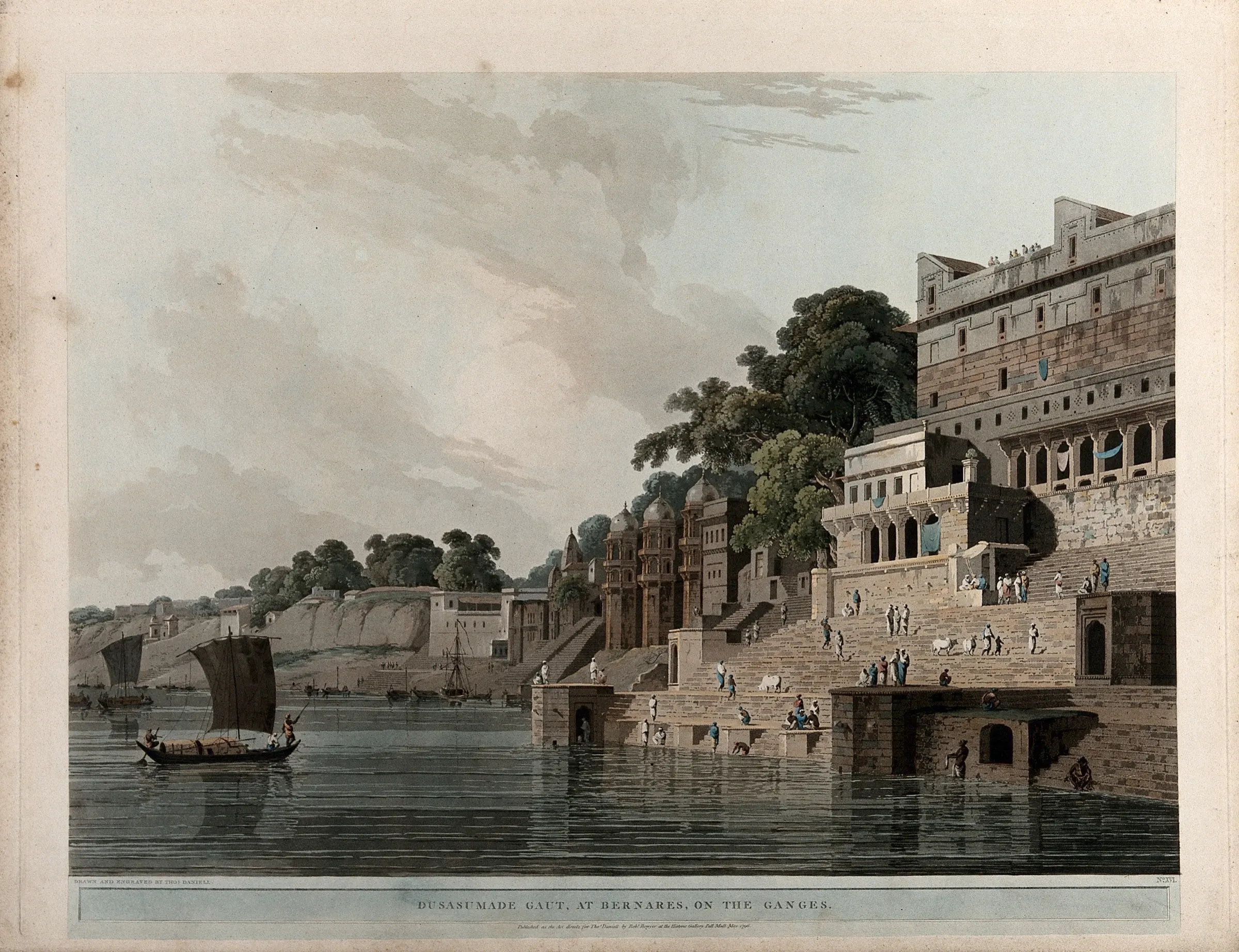
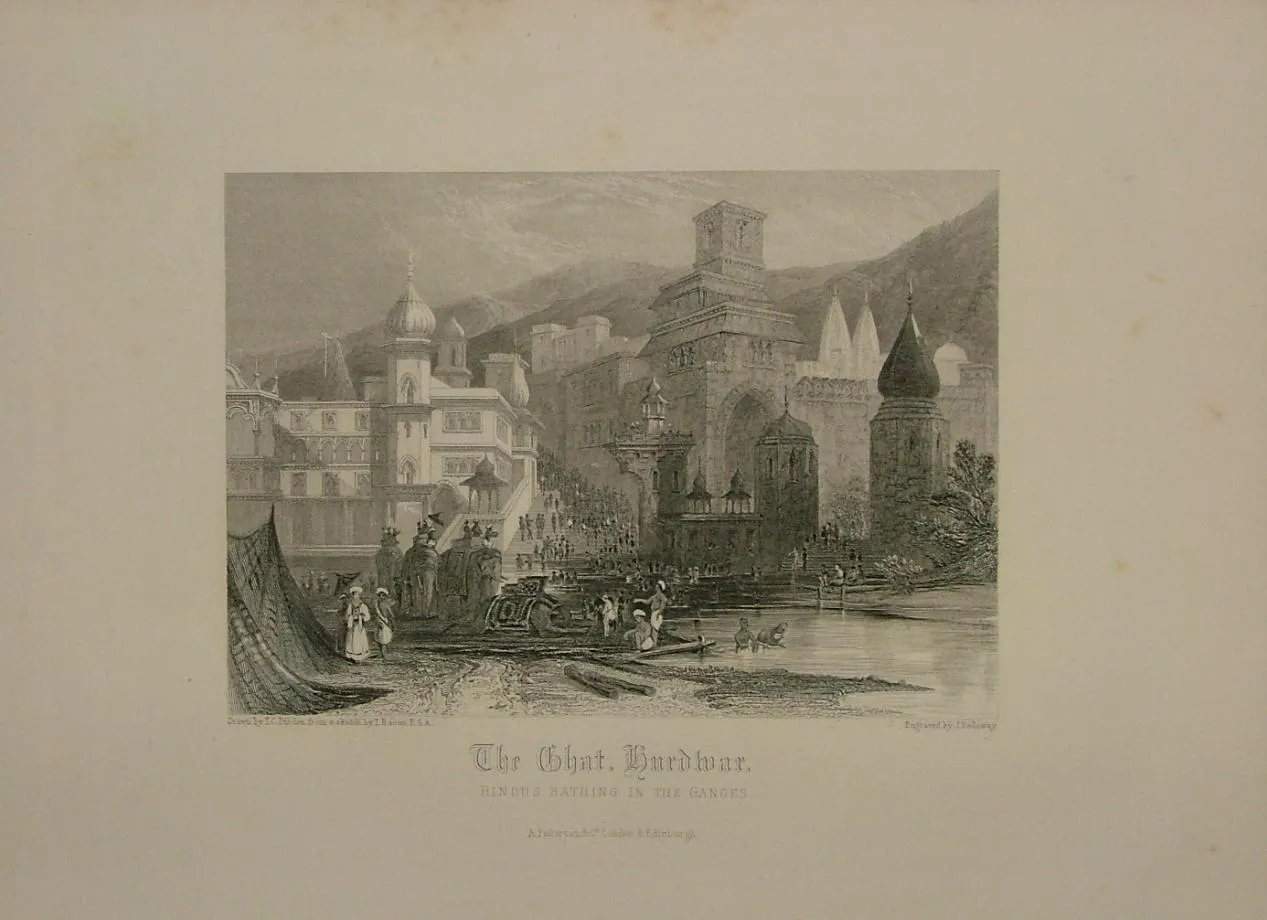
Thomas Daniell's Dasasamadhi (Dashashwamedh) Ghat at Varanasi, from Oriental Scenery, 1796. Bathers on the steps down to the Ganges.
अद्भिर्गात्राणि शुध्यन्ति मनः सत्येन शुध्यति । विद्यातपोभ्यां भूतात्मा बुद्धिर्ज्ञानेन शुध्यति ॥
adbhir gātrāṇi śudhyanti manaḥ satyena śudhyati | vidyātapobhyāṃ bhūtātmā buddhir jñānena śudhyati ||
“The limbs are purified by water; the mind is purified by truthfulness; the soul proper by learning and austerity; and cognition is purified by knowledge.”1
புறந்தூய்மை நீரான் அமையும் அகந்தூய்மை வாய்மையால் காணப் படும்.
puṟantūymai nīrāṉ amaiyum akantūymai vāymaiyāl kāṇap paṭum.
“Outward purity the water will bestow; / Inward purity from truth alone will flow.”2
Jean-Antoine Dubois was a French Catholic missionary who spent 31 years in South India, from 1792 to 1823, and did not much like Hinduism. He did report what Hindus thought of his countrymen. “The custom of carefully washing the dirty part after answering a call of nature is strictly observed in every caste,” he wrote. “The European habit of using paper is looked upon by all Hindus, without exception, as an utter abomination, and they never speak of it except with horror. There are some who even refuse to believe such a habit exists, and think it must be a libel invented out of hatred for Europeans.”3
When Hindus talked among themselves about “our dirty, beastly habits”, Dubois wrote, paper always came first. A European who blew his nose into a handkerchief and put it back in his pocket was “enough to make them feel sick”. The few Europeans who did clean their teeth disgusted Hindus even more, because they used a brush made of a dead animal’s bristles, and used the same one again and again “though it has after the first time been defiled by saliva”.3
The habits Dubois’s neighbours took for granted were by then thousands of years old, and a long line of foreign visitors before him had remarked on them.
More than 8,000 years of settlement
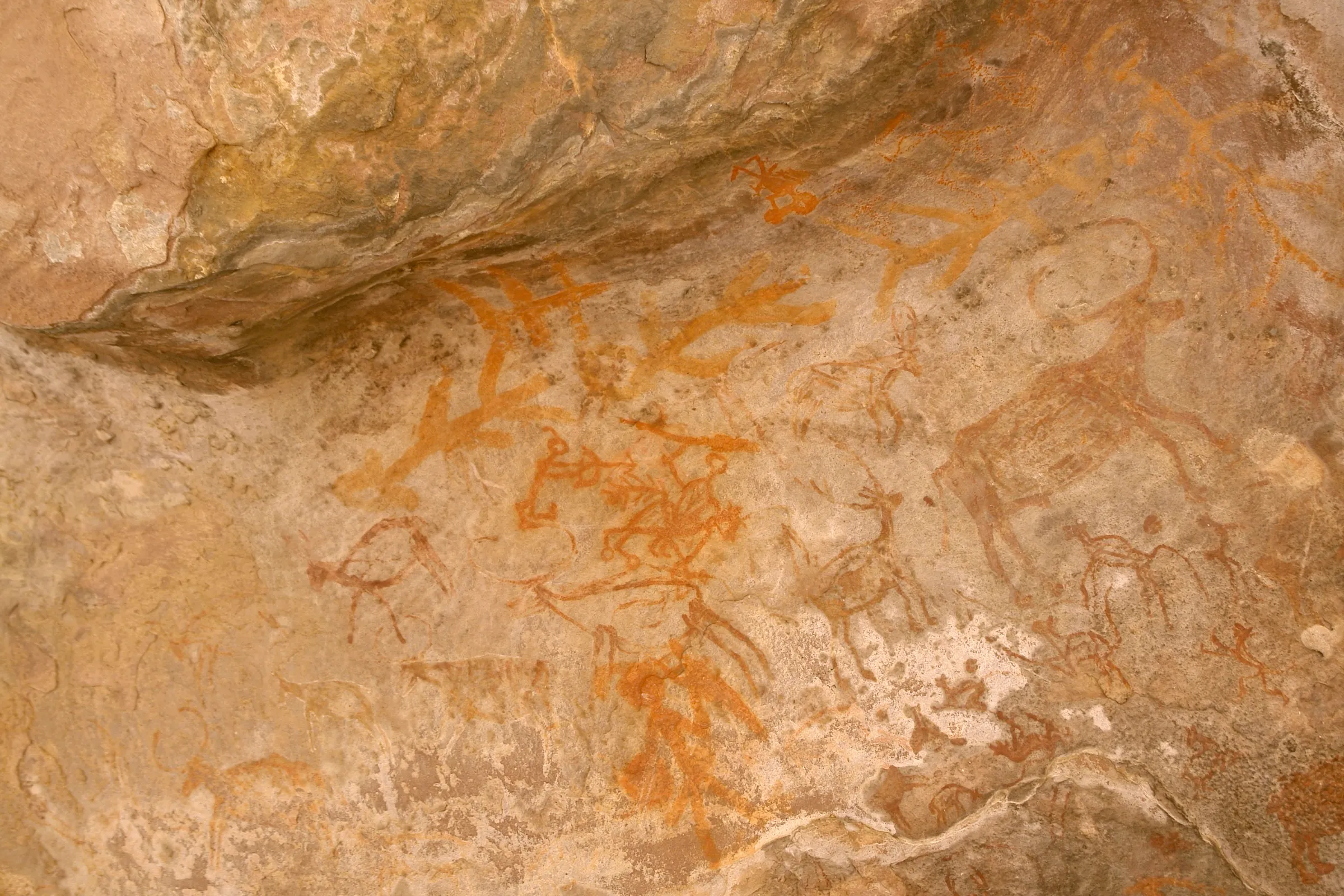
The subcontinent’s record of settled life is among the oldest anywhere. At Bhirrana in Haryana, the Archaeological Survey of India excavated a sequence that runs from pit dwellings through the early Harappan levels to the mature Harappan town. In 2016 a team from IIT Kharagpur, Deccan College, the Physical Research Laboratory, the Birbal Sahni Institute of Palaeosciences and the ASI wrote that on its radiocarbon dates the settlement “has been inferred to be the oldest (>9 ka BP) in the Indian sub-continent”, and concluded that its earliest phase “is older than 8 ka BP”, more than 8,000 years ago.4 The rock shelters of Bhimbetka in Madhya Pradesh, painted over thousands of years, go back further still.5
The world’s oldest known tradition of drilling living teeth comes from Mehrgarh, at the western edge of the subcontinent in Balochistan. In 2006 a team writing in Nature described eleven drilled molars from nine adults in a farming village’s cemetery, the holes smoothed by later chewing, which showed the patients had lived on after the work. Four of the teeth showed decay.6 The team dated the graves to 7,500–9,000 years ago. In 2025 a group including two of the same scientists re-dated the cemetery from tooth enamel to between 5200 and 4900 BCE, about 7,000 years ago. Either way, every other drilled tooth known in 2006 was younger than 6,000 years.7
Bathrooms in every house
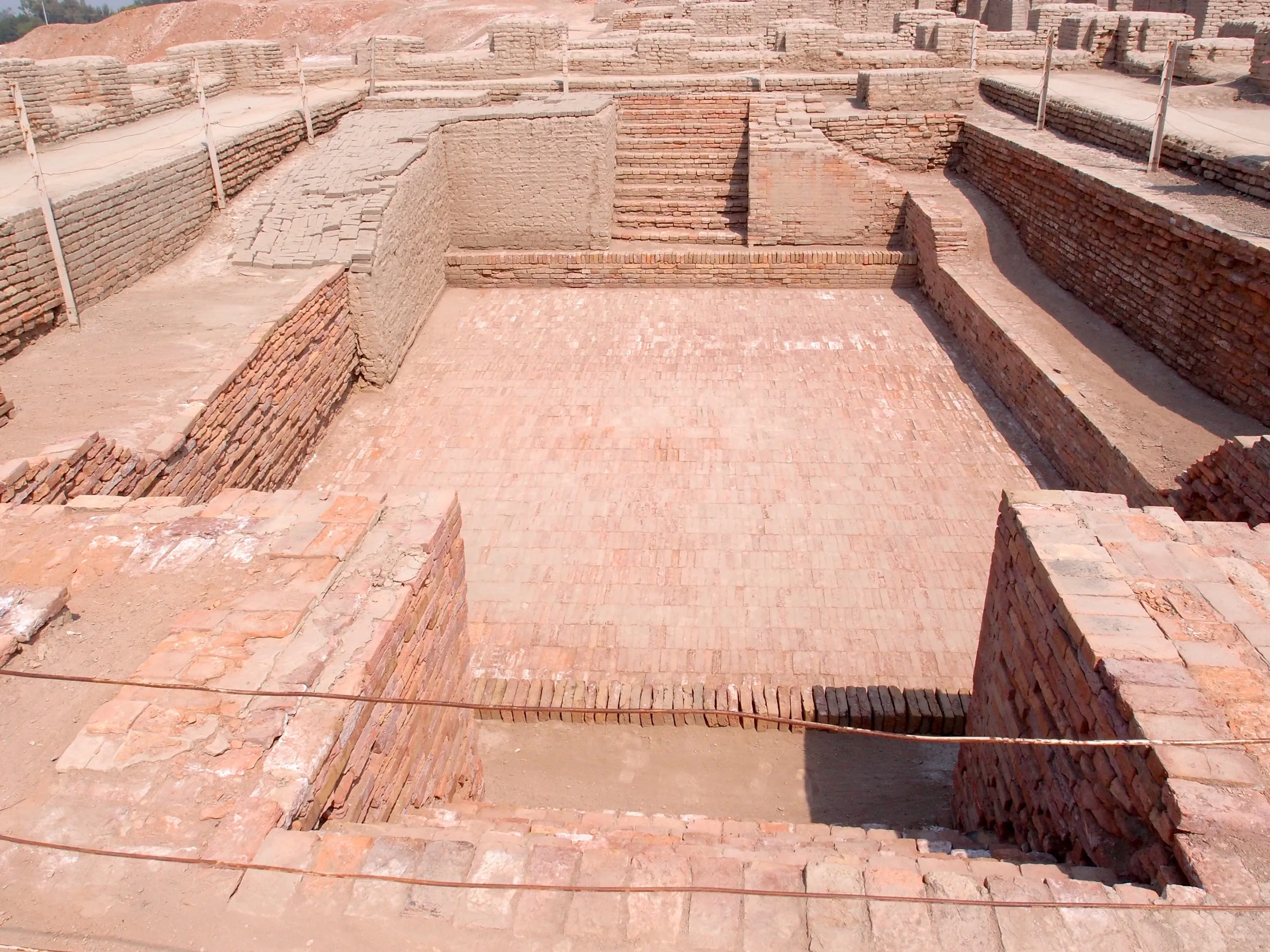
When John Marshall published the excavations of Mohenjo-daro in 1931, the thing that struck him was the plumbing. “Two specially characteristic features of these buildings are their bathrooms and drains,” he wrote. The bathrooms “are invariably well paved and usually connected with the street drainage system”, on upper floors as well as the ground floor; upstairs drains came down through terracotta pipes “with closely fitting spigot and faucet joints”. In one block he found “privies with seats (as to the character of which there can be no question) … directly connected with brick drains”.8
His verdict: the Great Bath, and houses “with their ubiquitous wells and bathrooms and elaborate systems of drainage”, showed that the ordinary townspeople “enjoyed here a degree of comfort and luxury unexampled in other parts of the then civilized world”.8 The Great Bath itself, about 12 metres by 7, was lined with fine brick set in gypsum mortar and sealed with “an inch thick damp-proof course of bitumen”.9 The city had something like 700 wells.10
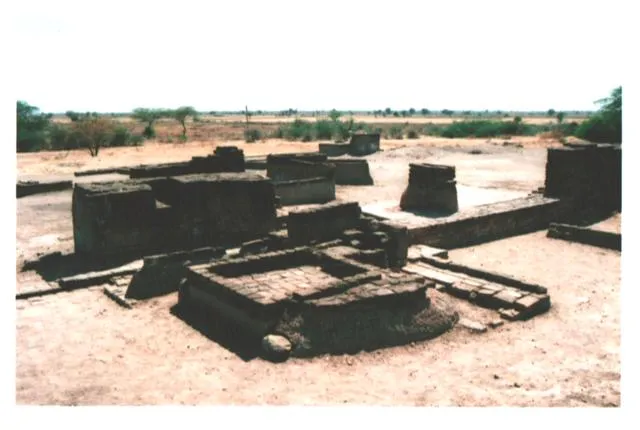
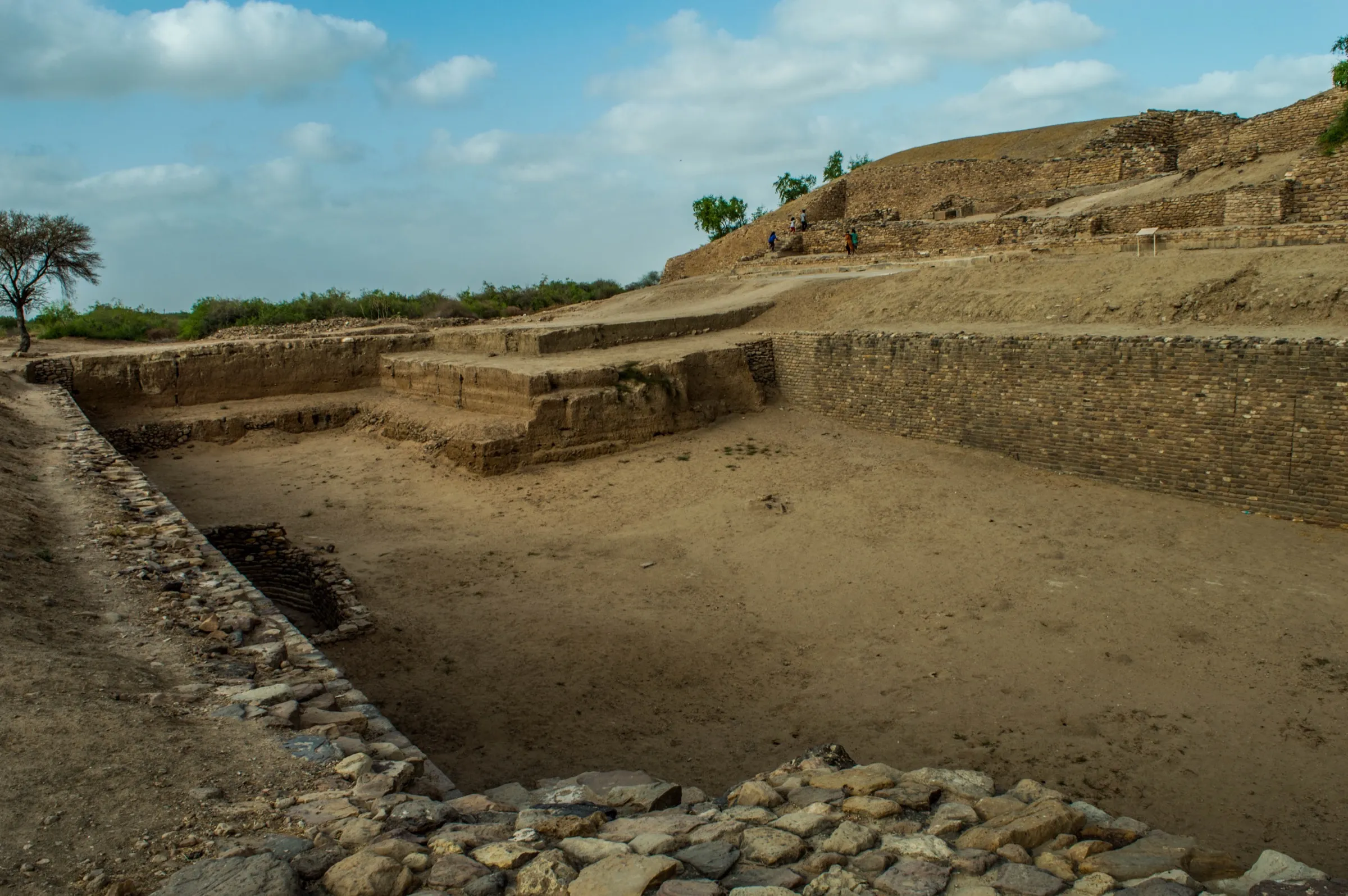
The same pattern runs through the Harappan towns on the Indian side of today’s border. At Lothal in Gujarat, excavated by S.R. Rao of the ASI from 1955, the houses on the raised town had burnished-brick bathing platforms draining into a covered sewer of brick set in gypsum mortar.11 Dholavira in Kutch had more than 16 reservoirs cut into the rock to hold water through the dry months.12 In 2022 the ASI found clay soakage jars set at street corners in Rakhigarhi, in Haryana, which the excavators read as “an attempt by the Harappans to keep their city clean”.13
In the third century BCE the emperor Ashoka had his public works cut into a stone pillar now in Delhi, in Prakrit. “At (intervals) of eight kos wells were caused to be dug by me, and flights of steps (for descending into the water) were caused to be built. Numerous drinking-places were caused to be established by me, here and there, for the enjoyment of cattle and men.”14
The rules, written down
The Rigveda, India’s oldest text, praises the waters as cleansers.
आपो॑ अ॒स्मान्मा॒तर॑: शुन्धयन्तु घृ॒तेन॑ नो घृत॒प्व॑: पुनन्तु । विश्वं॒ हि रि॒प्रं प्र॒वह॑न्ति दे॒वीरुदिदा॑भ्य॒: शुचि॒रा पू॒त ए॑मि ॥
āpo asmān mātaraḥ śundhayantu ghṛtena no ghṛtapvaḥ punantu | viśvaṃ hi ripram pravahanti devīr ud id ābhyaḥ śucir ā pūta emi ||
“May the maternal waters purify us … for the divine waters bear away all defilement; I come away from them purified.”15
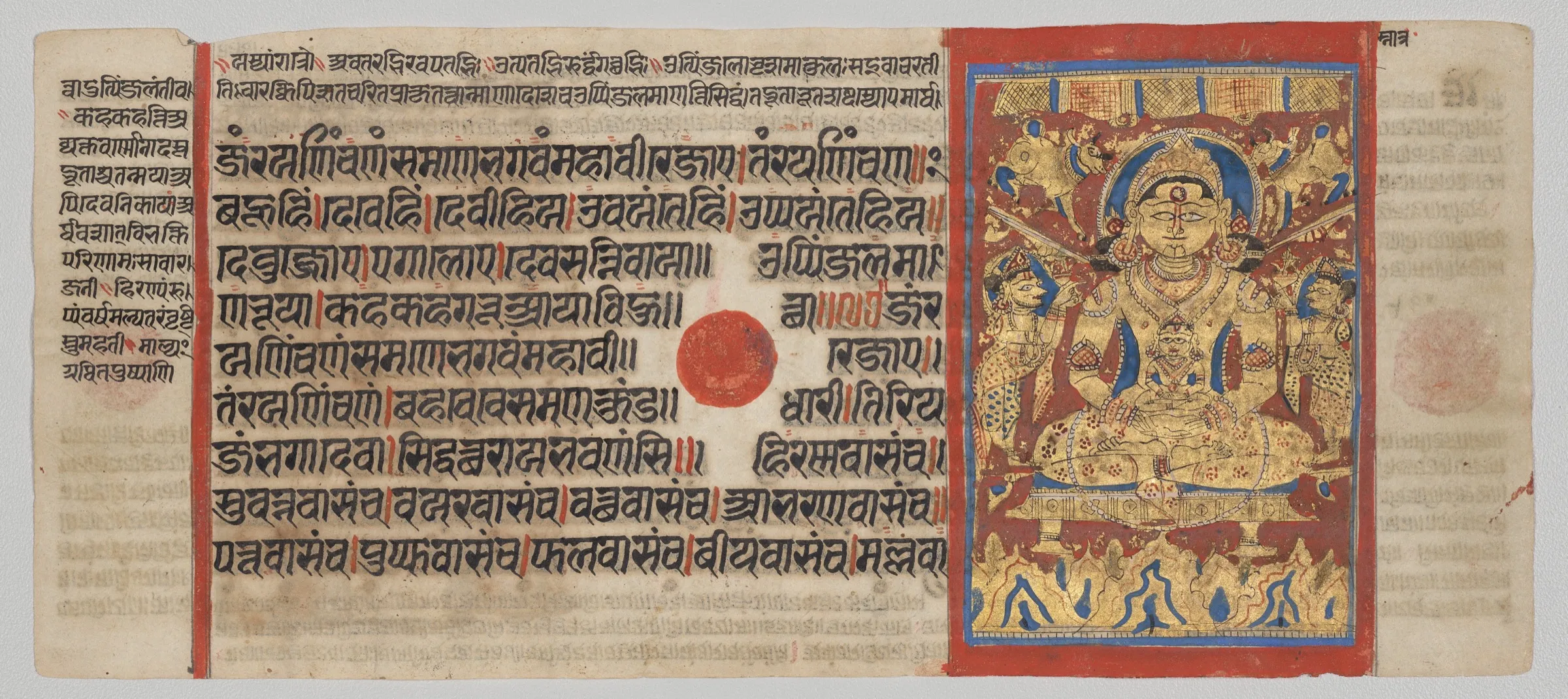
By the time of the Taittiriya Samhita, about 3,000 years ago, cleaning the teeth was ordinary enough to be listed among the things a woman should avoid during her period. “The practice of daily danta-dhavana has existed in India from the most ancient times,” wrote P.V. Kane, the great modern authority on Hindu law.16
The law books set out the morning. The Manusmriti tells a man to do these in the forenoon: void his bowels, dress, bathe, clean his teeth, put collyrium on his eyes and worship the gods.17 He was to wash before eating and again after, and to keep urine, faeces and spittle out of rivers and off roads.18 After the toilet, “earth and water must be used, as they may be required”.19 The earth was clean soil, specified with some care: not from under water, not from a temple, an anthill or a rat-hole, and not soil someone else had already used.20
The law books also fix how many handfuls of earth go on which part of the body, and the commentators knew why. Medhatithi, writing in Kashmir about a thousand years ago, said one should go on taking “as much water and earth as may be necessary for the total removal of smells and stains”.19 The Yajnavalkya Smriti demands cleaning “sufficient to remove the stink sticking to the body”. Its 11th-century commentator Vijnaneshvara spelled it out: removing the smell and the filth is the rule for everyone, and the fixed number of handfuls is there “for the purpose of producing invisible result”, that is, for religious merit.21
How often to bathe depended on who you were. Kane summed up the texts: all castes were to bathe the whole body, head included, every day, in cold water, preferably in a river, tank or spring. Brahmin householders were told to bathe twice, before daybreak and at noon. Forest hermits and ascetics bathed three times, at dawn, noon and dusk. “The usual rule for all Hindus (including even the so-called untouchables) is to bathe once a day, which also has been the general rule for centuries.”22
The tooth-twig
The Vishnu Smriti prescribes the tooth-stick: a twig of banyan, khadira, karanja, jujube, sal or neem, “as thick as the top of the little finger”, twelve finger-breadths long, chewed at one end into a brush and used before sunrise.23
The medical texts go further. The Charaka Samhita says the twig should be astringent, pungent or bitter, chewed at one end “into the form of a brush” and used twice a day without hurting the gums: “The process (of washing the teeth thus) destroys bad odor and bad taste.” After it comes a tongue-scraper of gold, silver, copper, tin, lead or iron, “of blunt edges and bent in form”, after which “the mouth becoming freed from all bad odor emits an agreeable smell”.24 The Sushruta Samhita names neem “the best of all the bitter trees” for a tooth-stick and gives a paste to use with it, of honey, ginger, black and long pepper, rock salt and oil, worked into each tooth separately.25 Both prescribe a daily bath. Bathing, says the Charaka Samhita, “purifies the body … relieves fatigue, removes sweat and filth”.24
The Buddha’s monastic rules, preserved in Pali, record why he allowed the tooth-stick. Monks who did not clean their teeth had bad breath, so he gave five reasons to chew one:
Cakkhussaṁ, mukhaṁ na duggandhaṁ hoti, rasaharaṇiyo visujjhanti, pittaṁ semhaṁ bhattaṁ na pariyonandhati, bhattamassa chādeti.
“It’s good for your eyes; you don’t get bad breath; your taste buds are cleansed; bile and phlegm don’t cover the food; you enjoy the food. … I allow tooth cleaners.”26
The same rules gave the monasteries cesspits, then lids for them, then latrine huts with steps, rails, foot-stands and urinals, because, the text says, “the monastery became smelly”.26
The Chinese monks noticed
Xuanzang, the Chinese monk who travelled India from 629 to 645, put a section headed “Cleanliness, Ablutions” in his report to the Tang emperor. “They are very particular in their personal cleanliness, and allow no remissness in this particular,” he wrote. “All wash themselves before eating; they never use that which has been left over.” After eating they cleaned their teeth with a stick and washed their hands and mouths. “Every time they perform the functions of nature they wash their bodies and use perfumes of sandal-wood or turmeric.”27
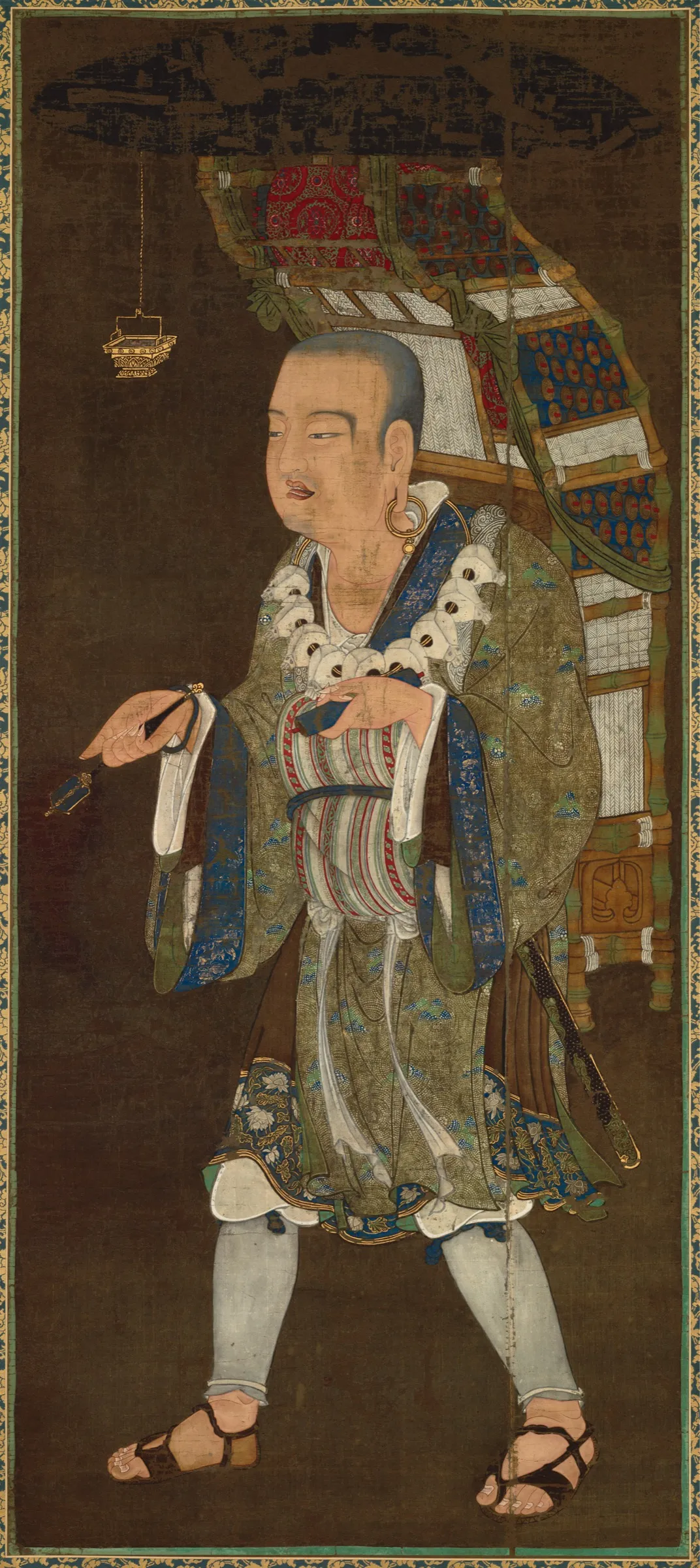
Yijing, who lived in India from 673 to 685, went further and compared India with home. India’s “first and chief difference” from other nations, he wrote, was its rule of purity. When envoys from the northern peoples came to India, “the messengers were despised and ridiculed, as they did not wash themselves after evacuation … and did not use a tooth-brush”. He described the twig, about twelve finger-breadths long, and the morning routine, and added: “Tooth-ache is very rare in India owing to their chewing the tooth-wood.” Even children of three were taught. Of the Indian rules for the lavatory, he wrote: “Such rules as above were never introduced into China. Even if they were taught, people would dislike them.” In India, “if one does not wash and purify oneself, the people of the five divisions of India will laugh at one”.28
He counted the bathing places. “If we go but one yojana, we see twenty or thirty bathing-places.” Near the monastery at Nalanda there were more than ten great pools, and every morning a bell sounded the bathing hour for the monks. Indians did not get chapped feet in the cold, he observed, “for they wash and bathe frequently … In their daily life they do not eat without having first washed.”28
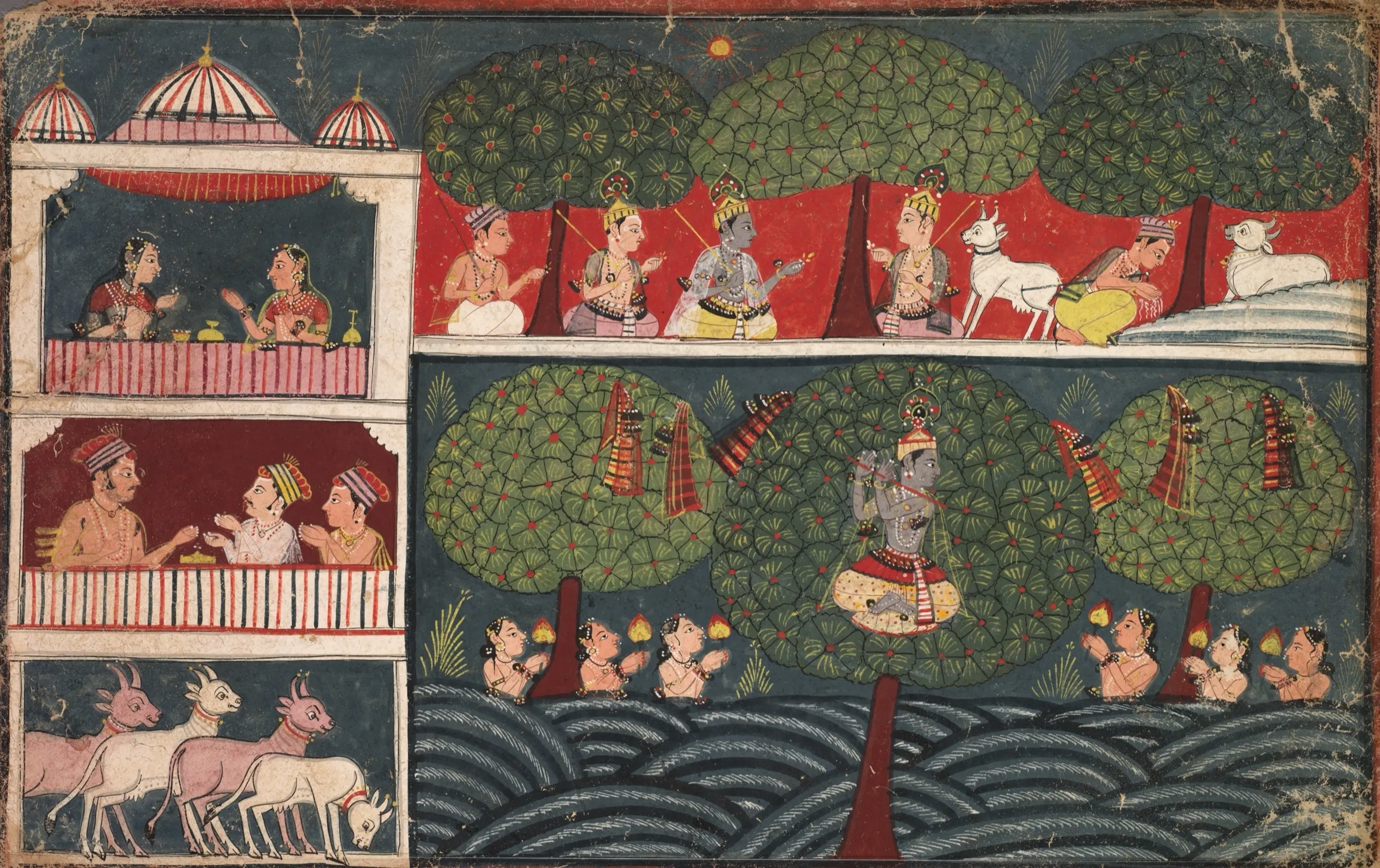
An Arabic account of China and India compiled in 851 made the same comparison. “The Chinese wipe themselves with Paper, whereas the Indians wash every Day before they eat,” it said. “The Indians wash, not only the Mouth, but the whole Body also, before they eat.”29 Al-Biruni, the Persian scholar who studied India in the 11th century, recorded that a Brahmin “must wash himself, thrice” a day, at dawn, noon and dusk.30
The Europeans noticed too
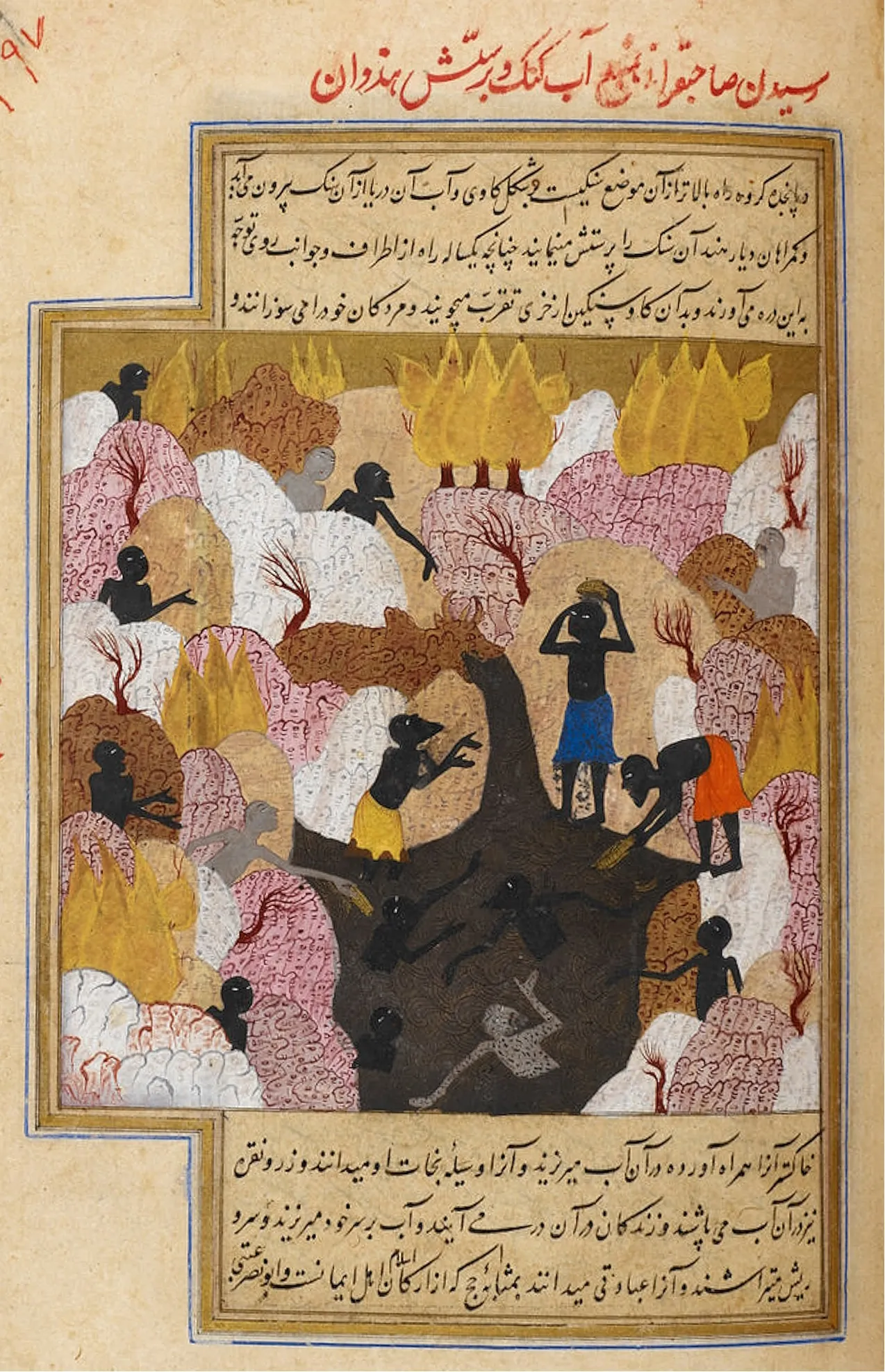
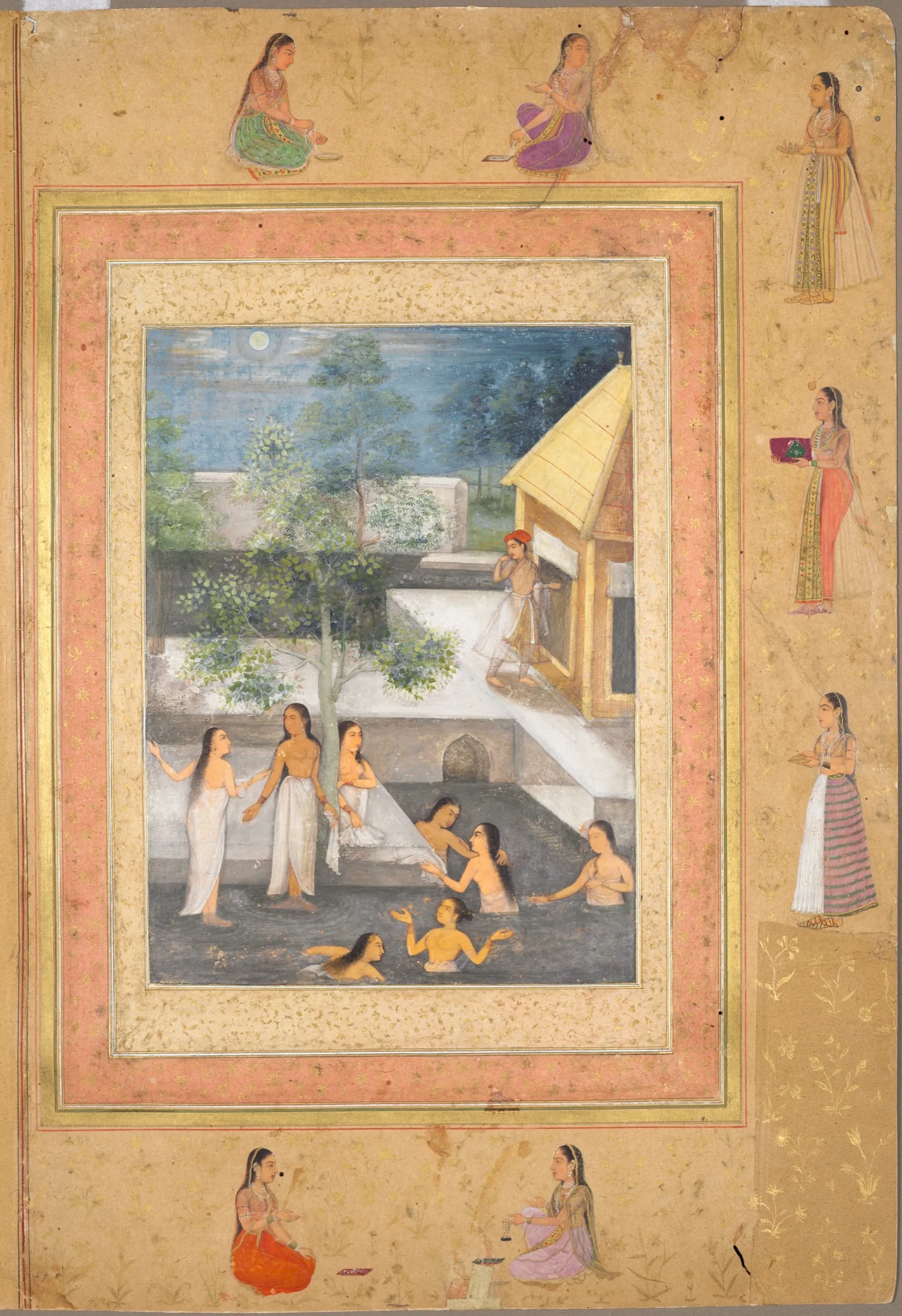
Duarte Barbosa, a Portuguese official in India about 1516, found that the merchants of Gujarat kept water tanks in their gardens “wherein they bathe twice a day, both men and women”.31 Jan Huyghen van Linschoten, a Dutchman in Goa in the 1580s, observed that the Portuguese and mixed-race women of the colony washed “all the body over, from head to foot” every day, and after every visit to the toilet, “were it a hundred times a day and night”. These customs, he wrote, “they have learned and received of the Indian Heathens, which have had those customs of long time, and yet till this day use them”.32
“All the Indians use many washings,” the Italian traveller Pietro della Valle wrote from Surat in 1623, “and some never eat without first washing the whole body.”33 In 1689 the English chaplain John Ovington found the merchants of Surat “constant in their washings”, with their infants “washt all over both Morning and Evening”. After the toilet, he wrote, they “always carry in their Hands a small Jarr of Water, which they use to wash themselves clean with”.34 Their customs, Ovington concluded, “highly contribute to the Health and Pleasure of their Lives”.34
Shampoo
In 1814 Sake Dean Mahomed, born in Patna and a former surgeon with the East India Company’s army, opened baths in Brighton offering Indian steam baths and “shampooing”. The word is the Hindi chāmpo, from chāmpnā, to press or knead. In English it meant massage; the sense of washing the hair came later, by about 1860.35 Mahomed went on to style himself “Shampooing Surgeon” to George IV and William IV.36
The cleansers of old India were plant and mineral. The Manusmriti washes blankets with pounded soapberry (arishta, the reetha), silk and wool with alkaline earth, and linen with mustard paste.37 Yijing saw Indians wash the grease from their lips after meals with pea-flour, the gram flour still used in ubtan.28 About 1500 Guru Nanak, founder of the Sikh faith, named soap in his Japji:
ਭਰੀਐ ਹਥੁ ਪੈਰੁ ਤਨੁ ਦੇਹ ॥ ਪਾਣੀ ਧੋਤੈ ਉਤਰਸੁ ਖੇਹ ॥ ਮੂਤ ਪਲੀਤੀ ਕਪੜੁ ਹੋਇ ॥ ਦੇ ਸਾਬੂਣੁ ਲਈਐ ਓਹੁ ਧੋਇ ॥
bharīai hath pair tan deh, pāṇī dhotai utaras kheh; mūt palītī kapaṛ hoi, de sābūṇ laīai oh dhoi
“When the hands and the feet and the body are dirty, water can wash away the dirt. When the clothes are soiled and stained by urine, soap can wash them clean.”38
About 1890 Avinash Chandra Kaviratna, a physician in Calcutta, translated the Charaka Samhita’s rules on the tooth-twig and added a note of his own: “To this day many Hindus wash their teeth twice a day. Washing them once however is a rule that is very rarely broken. The brush must be a fresh one. A brush once used should not be used again.”39
Sources and notes39
Footnotes
-
Manusmriti 5.108, trans. Ganganatha Jha with Medhatithi’s commentary (5.109 in Bühler’s and Olivelle’s numbering). https://www.wisdomlib.org/hinduism/book/manusmriti-with-the-commentary-of-medhatithi/d/doc200491.html. Confidence: verified. ↩
-
Tirukkural 298, trans. G.U. Pope (1886). https://archive.org/download/sacredkurralofti00revg/sacredkurralofti00revg_djvu.txt. Confidence: verified. ↩
-
J.A. Dubois, Hindu Manners, Customs and Ceremonies, trans. Henry K. Beauchamp, 2nd ed. (Clarendon Press, 1899), pt. II ch. VII, pp. 241-243, Dubois’s footnotes. https://archive.org/details/hindumannerscust00dubo_0. Dubois was often hostile to Hinduism. Confidence: verified. ↩ ↩2
-
A. Sarkar et al., “Oxygen isotope in archaeological bioapatites from India”, Scientific Reports 6: 26555 (25 May 2016). https://pmc.ncbi.nlm.nih.gov/articles/PMC4879637/. The earliest dates rest on two charcoal samples, and other samples from the early levels gave much younger dates; the excavator was L.S. Rao of the ASI (2003-2006). Confidence: verified (paper); the dating is disputed. ↩
-
UNESCO, Rock Shelters of Bhimbetka, World Heritage listing 2003. Confidence: reported. ↩
-
A. Coppa et al., “Early Neolithic tradition of dentistry”, Nature 440: 755-756 (6 April 2006). Details of the holes from contemporary reports of the paper. Confidence: verified (abstract); reported (details). ↩
-
B. Mutin et al., “New radiocarbon dates of human tooth enamel reveal a late appearance of farming life in the Indus Valley”, Scientific Reports 15: 11345 (15 April 2025). https://pmc.ncbi.nlm.nih.gov/articles/PMC12000376/. The 2025 paper does not mention the drilled teeth; applying its dates to them is this paper’s inference. Confidence: verified (paper); estimated (date of the teeth). ↩
-
John Marshall (ed.), Mohenjo-daro and the Indus Civilization, vol. I (Probsthain, 1931), preface and ch. III, pp. 16-17. https://archive.org/details/in.ernet.dli.2015.69817. His colleague Ernest Mackay doubted that latrines had been identified; later work at Harappa reports them in almost every house. Confidence: verified. ↩ ↩2
-
Marshall, Mohenjo-daro, vol. I, p. 25; Ernest Mackay, ch. X, for the measurements. Confidence: verified. ↩
-
Michael Jansen, “Water supply and sewage disposal at Mohenjo-Daro”, World Archaeology 21:2 (1989), pp. 177-192. Confidence: reported. ↩
-
S.R. Rao, Lothal: A Harappan Port Town, Memoirs of the Archaeological Survey of India 78 (1979), as summarised in secondary accounts. Confidence: reported. ↩
-
R.S. Bisht, ASI excavations 1990-2005; UNESCO World Heritage listing of Dholavira, 2021. Confidence: reported. ↩
-
ASI excavations at Rakhigarhi under Sanjay Manjul, 2022, as reported by Live History India. Confidence: reported. ↩
-
Ashoka, Pillar Edict VII (Delhi-Topra), trans. E. Hultzsch, Corpus Inscriptionum Indicarum vol. 1 (1925), pp. 134-135. https://archive.org/download/InscriptionsOfAsoka.NewEditionByE.Hultzsch/HultzschCorpusAsokaSearchable_djvu.txt. Confidence: verified. ↩
-
Rigveda 10.17.10, trans. H.H. Wilson after Sayana. https://www.wisdomlib.org/hinduism/book/rig-veda-english-translation/d/doc838683.html. Ripra means defilement or filth as well as sin. Confidence: verified. ↩
-
P.V. Kane, History of Dharmasastra, vol. II pt. 1 (Bhandarkar Oriental Research Institute, 1941), ch. XVII, pp. 653-654, citing Taittiriya Samhita II.5.1.7. https://archive.org/details/historyofdharmas029210mbp. Confidence: verified (Kane); reported (the Samhita passage). ↩
-
Manusmriti 4.152, trans. Ganganatha Jha with Medhatithi’s commentary. https://www.wisdomlib.org/hinduism/book/manusmriti-with-the-commentary-of-medhatithi/d/doc200260.html. Confidence: verified. ↩
-
Manusmriti 2.53, 4.45-46 and 4.56, trans. G. Bühler, Sacred Books of the East 25 (1886). https://archive.org/details/lawsofmanu00manuuoft. Confidence: verified. ↩
-
Manusmriti 5.134 (Bühler’s numbering; 5.132 in Jha), with Medhatithi’s commentary, trans. Jha. https://www.wisdomlib.org/hinduism/book/manusmriti-with-the-commentary-of-medhatithi/d/doc200517.html. Confidence: verified. ↩ ↩2
-
Vasishtha Dharmasutra 6.14-19, trans. G. Bühler, Sacred Books of the East 14 (1882), pp. 36-37. https://archive.org/details/wg914. Confidence: verified. ↩
-
Yajnavalkya Smriti 1.17 with the Mitakshara of Vijnaneshvara, trans. S.C. Vidyarnava, Sacred Books of the Hindus 21 (1918), pp. 57-58. https://archive.org/details/yajnavalkyasmrit00yj. Confidence: verified. ↩
-
Kane, History of Dharmasastra, vol. II pt. 1, pp. 658-660. Confidence: verified. ↩
-
Vishnu Smriti 61.14-16, trans. J. Jolly, Sacred Books of the East 7 (1880), pp. 195-198. https://archive.org/details/institutesofvish00joll. Confidence: verified. ↩
-
Charaka Samhita, Sutrasthana 5, trans. A.C. Kaviratna (Calcutta, 1890-1925), pp. 60-63. https://archive.org/details/BIUSante_47357. Confidence: verified. ↩ ↩2
-
Sushruta Samhita, Chikitsasthana 24.3-4, trans. K.L. Bhishagratna, vol. II (1911), pp. 480-482. https://archive.org/details/englishtranslati02susr. Confidence: verified. ↩
-
Vinaya Pitaka, Cullavagga V (Khandhaka 15), 31.1 and 35, trans. Bhikkhu Brahmali (SuttaCentral). https://suttacentral.net/pli-tv-kd15/en/brahmali. The same five benefits are in Anguttara Nikaya 5.208. Confidence: verified. ↩ ↩2
-
Xuanzang, Si-yu-ki: Buddhist Records of the Western World, trans. Samuel Beal, vol. I (1884), book II, p. 77. https://archive.org/details/si-yu-ki-1884. Beal’s “willow stick” renders a Chinese stock term; Yijing notes that willows are scarce in India. Confidence: verified. ↩
-
Yijing (I-tsing), A Record of the Buddhist Religion as Practised in India, trans. J. Takakusu (1896), chs. IV, V, VIII, XVIII and XX, pp. 24-27, 33-35, 91-94, 107-110. https://archive.org/details/arecordbuddhist00takagoog. Yijing was a monk writing for monks, but says lay custom agreed with the monastic rules. Confidence: verified. ↩ ↩2 ↩3
-
Ancient Accounts of India and China, by Two Mohammedan Travellers, trans. Eusebius Renaudot (1733), pp. 36-37. https://archive.org/details/ancientaccountso00sira. Confidence: verified. ↩
-
Al-Biruni, Alberuni’s India, trans. E.C. Sachau (1888), vol. II, ch. LXIII, p. 134. https://archive.org/details/in.ernet.dli.2015.30168. Confidence: verified. ↩
-
The Book of Duarte Barbosa, trans. M.L. Dames, vol. I (Hakluyt Society, 1918), p. 113. https://archive.org/details/bookofduartebarb0001mans. Confidence: verified. ↩
-
The Voyage of John Huyghen van Linschoten to the East Indies, from the English translation of 1598, ed. A.C. Burnell and P.A. Tiele, vol. I (Hakluyt Society, 1885), ch. 31. https://archive.org/details/voyagejohnhuygh01tielgoog. Confidence: verified. ↩
-
The Travels of Pietro della Valle in India, ed. Edward Grey, vol. I (Hakluyt Society, 1892), pp. 87-88. https://archive.org/details/in.ernet.dli.2015.69604. Confidence: verified. ↩
-
John Ovington, A Voyage to Suratt, in the Year 1689 (1696), pp. 294-295 and 316. https://archive.org/details/AVoyageToSurattInTheYear1689. Confidence: verified. ↩ ↩2
-
Henry Yule and A.C. Burnell, Hobson-Jobson, ed. William Crooke (1903), “Shampoo”; Online Etymology Dictionary for the dates of the English senses. https://archive.org/details/hobsonjobsonglos00yulerich. Confidence: verified (Hobson-Jobson); reported (dates). ↩
-
S.D. Mahomed, Shampooing, 3rd ed. (Brighton, 1838), https://archive.org/details/shampooingorben00mahogoog; Brighton & Hove Museums; Michael H. Fisher, The First Indian Author in English (1996). The earliest dated testimonial in his book is from September 1814; the seafront building known as Mahomed’s Baths dates from 1821. Confidence: verified (book); reported (dates of the baths and the royal title). ↩
-
Manusmriti 5.120, trans. Bühler, with his note identifying arishta as the soapberry, Sapindus. In other texts arishta can mean neem. Confidence: verified. ↩
-
Guru Nanak, Japji, pauri 20, Guru Granth Sahib, Ang 4, trans. Sant Singh Khalsa. https://www.searchgurbani.com/guru-granth-sahib/ang/4. Confidence: verified. ↩
-
Charaka Samhita, trans. Kaviratna, Sutrasthana 5, translator’s footnote. https://archive.org/details/BIUSante_47357. Confidence: verified. ↩
Letters
No letters on this report yet.
Letter received
Thank you. It is with the editors now and will appear here if we publish it.