H-1B · Part 1 · 1952–2026
The line
Congress built the H-1B visa and the green card cap in 1990, and the final votes carried majorities of both parties. An Indian with an advanced degree whose green card can be finalised this month filed in 2013 or earlier. One who applies today is looking at projections of decades to more than a century. How the line was built, who voted for it, and what it does to the people standing in it.
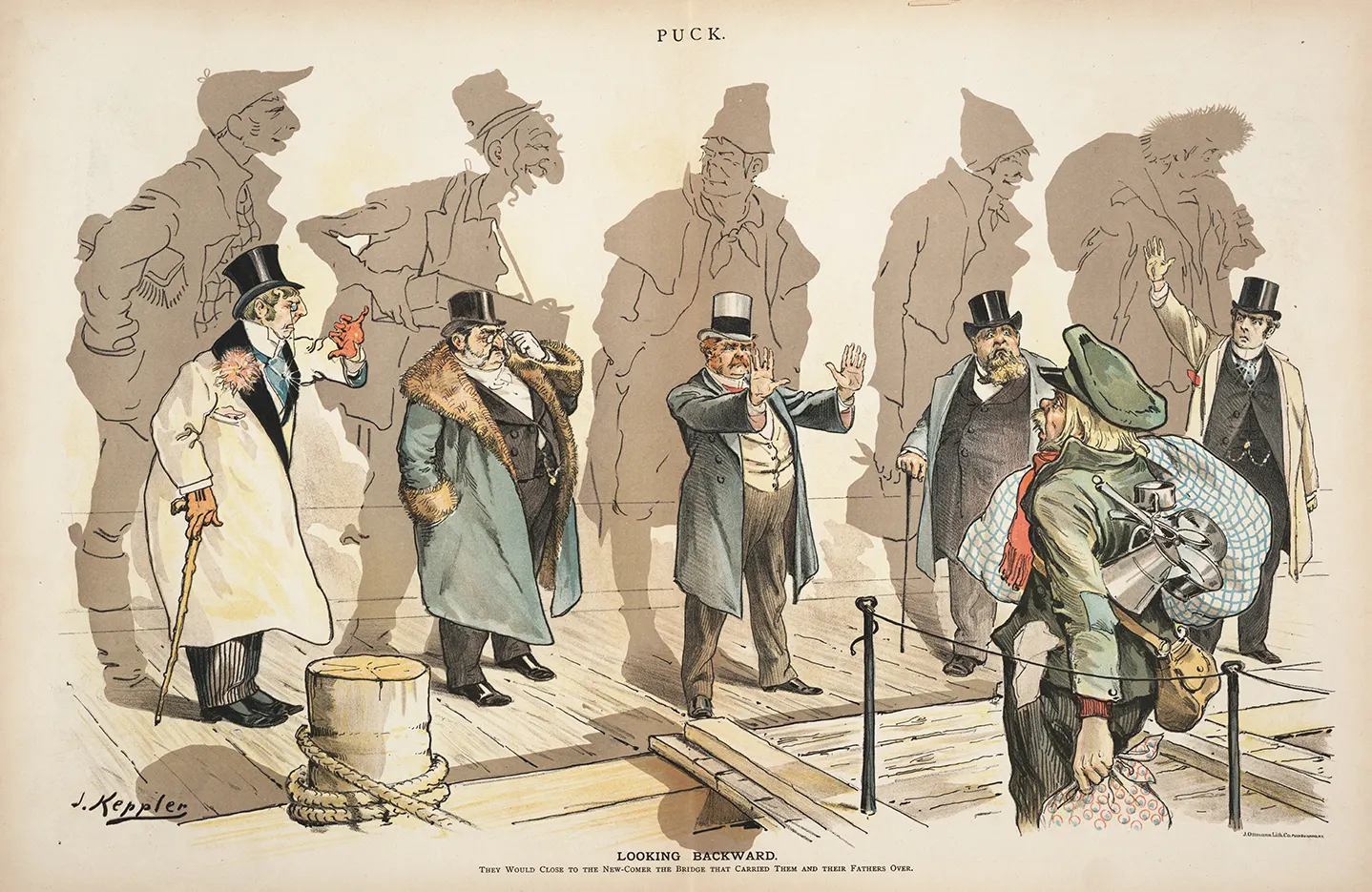
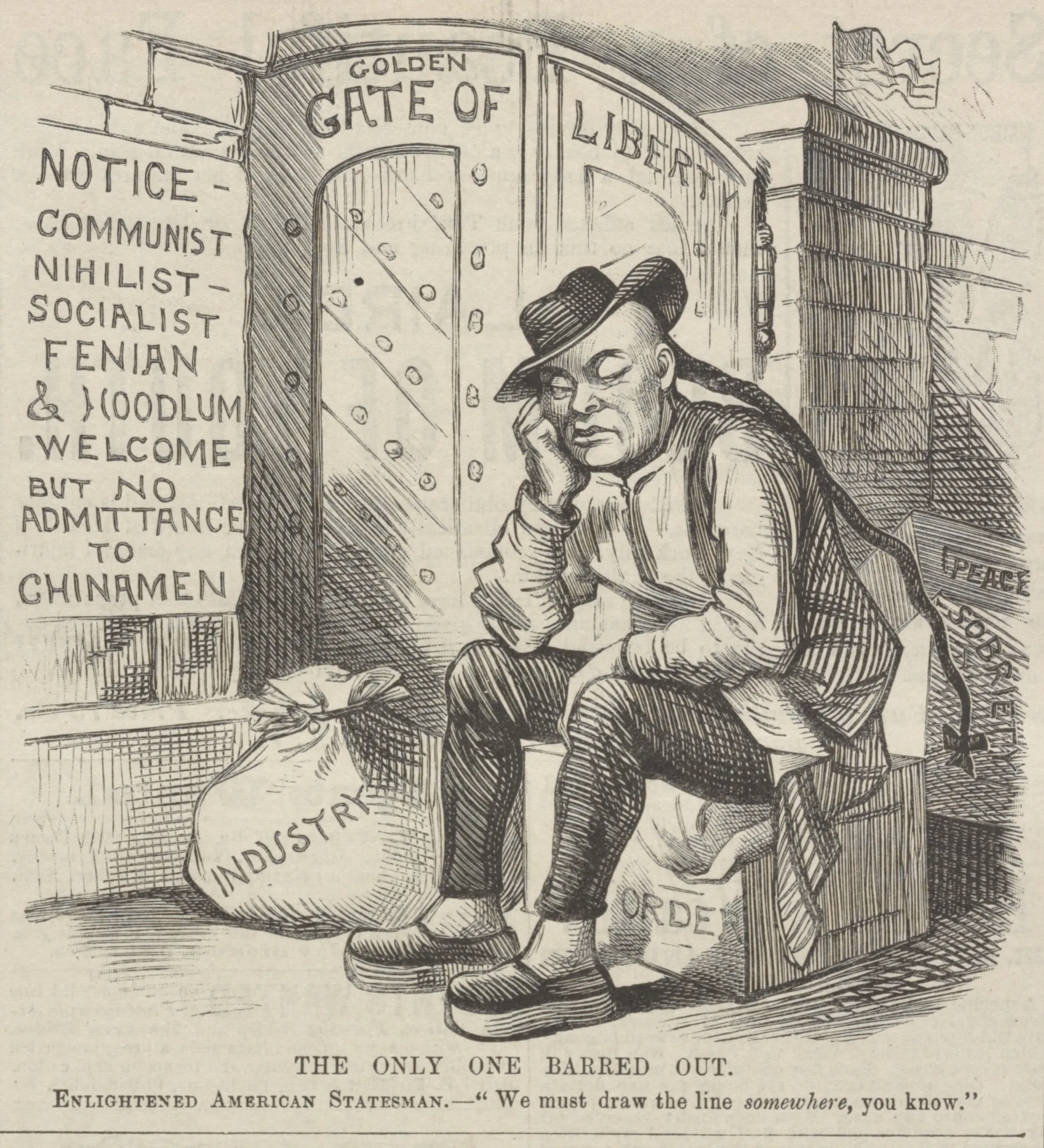
Looking Backward, Joseph Keppler, Puck, 11 January 1893. Puck's comment on the children of earlier immigrants turning away new ones. The 7 per cent rule came 97 years later.Puck, 1893. Public domain, via Wikimedia Commons
The October 2026 Visa Bulletin, the State Department’s monthly chart of whose turn it is for a green card, sets the cut-off for Indians in the EB-2 category, for workers with advanced degrees, at 1 November 2013.1 An Indian in that category whose green card can be finalised this month filed in or before October 2013, about 13 years ago. For an applicant from almost anywhere else in the world, the date was 1 January 2025.1
The gap comes from a per-country cap that Congress wrote into the Immigration Act of 1990, and from how many Indians apply. This is the first of three reports on Indians and the H-1B visa. It covers how the visa and the green card queue were built, who voted for them, and what they do to the people inside them.
1952: a visa for “distinguished merit”
The H visa class began with the Immigration and Nationality Act of 1952. Its H-1 category was for a foreigner “of distinguished merit and ability” coming “temporarily” to perform “services of an exceptional nature”, who also had to keep “a residence in a foreign country which he has no intention of abandoning”.2 President Harry Truman vetoed the Act; Congress overrode him, 278 to 113 in the House and 57 to 26 in the Senate.3
The Immigration and Nationality Act of 1965 ended the old national-origins quotas4 and set a per-country limit in their place: visas to “natives of any single foreign state … shall not exceed 20,000 in any fiscal year”.5
1990: the H-1B and the 7 per cent rule
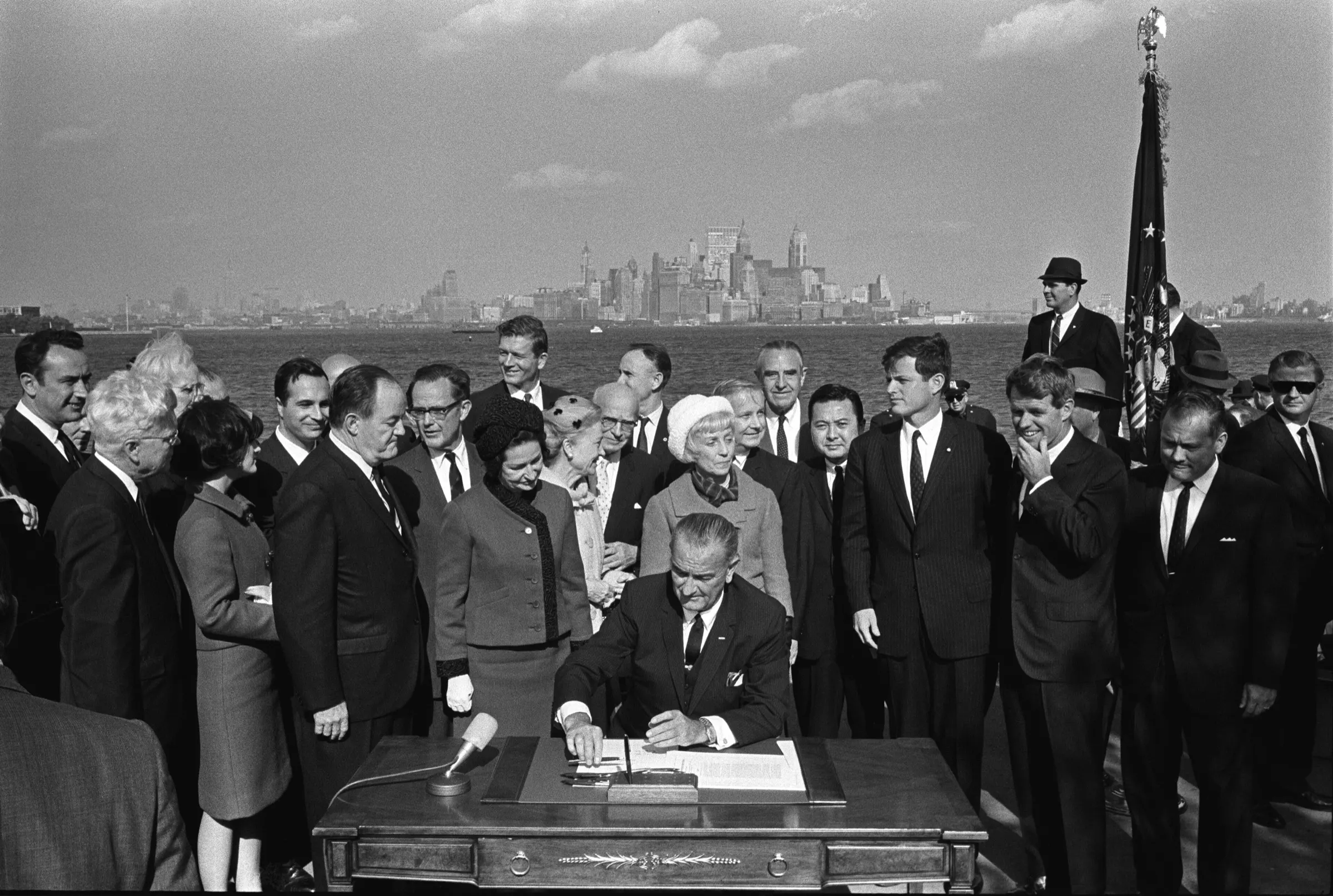
The H-1B was created by the Immigration Act of 1990. The Senate bill, S. 358, was sponsored by Edward Kennedy, a Massachusetts Democrat, with Alan Simpson, a Wyoming Republican; its House counterpart came from Bruce Morrison, a Connecticut Democrat.6
The Act did four things that still shape an Indian H-1B worker’s life. It capped new H-1B visas at 65,000 a year. It limited a stay to six years. It dropped the 1952 requirement to keep a home abroad with no intention of abandoning it, so H-1B workers could seek a green card while on the visa. And it capped the green cards going to natives of any one country, in family and employment categories together, at 7 per cent of the year’s total.7
That last rule sits in a section that opens by saying no one may be “discriminated against in the issuance of an immigrant visa because of the person’s race, sex, nationality, place of birth, or place of residence”. The 7 per cent cap is written in as an exception to that sentence.7
The final votes had majorities of both parties. The first House vote did not.
| Vote | Date | Total | Democrats | Republicans |
|---|---|---|---|---|
| Senate passes S. 358 | 13 July 1989 | 81–17 | 40–14 | 41–3 |
| House passes H.R. 4300 | 3 October 1990 | 231–192 | 186–65 | 45–127 |
| Senate agrees to final bill | 26 October 1990 | 89–8 | 51–3 | 38–5 |
| House agrees to final bill | 27 October 1990 | 264–118 | 171–54 | 93–64 |
In the House, Republicans voted against the first version by almost three to one, and the final bill passed with most Democrats and most Republicans in favour.8 President George H. W. Bush signed it on 29 November 1990, saying it “dramatically increases the number of immigrants who may be admitted to the United States because of the skills they have and the needs of our economy”.9
The cap was country-neutral on paper. India, with the most people in the line, gets the same ceiling as Iceland.10
The laws that came after
Congress raised the H-1B cap twice in the dot-com years and then let it fall back.
- In 1998 the American Competitiveness and Workforce Improvement Act lifted the cap to 115,000 for two years. The House passed its version 288 to 133; Republicans voted 189 to 34 in favour and Democrats split 99 to 98. The final text went into an omnibus spending bill signed in October 1998.11
- In 2000 the American Competitiveness in the Twenty-First Century Act, AC21, set the cap at 195,000 for three years, let H-1B workers move to a new employer on filing, and allowed extensions past six years for people stuck in the green card line. The Senate passed it 96 to 1; the only vote against was Fritz Hollings, a South Carolina Democrat. The House passed it by voice vote.12
- Once the increase lapsed the cap returned to 65,000, and in 2004 Congress added 20,000 more for holders of US master’s or higher degrees. That total, 85,000, still stands.13
A bill to lift the per-country cap on employment green cards has passed each chamber, in different versions, and never become law. On 10 July 2019 the House passed the Fairness for High-Skilled Immigrants Act, which would have phased out the per-country cap on employment green cards, 365 to 65: Democrats voted 224 to 8 for it and Republicans 140 to 57.14 In the Senate, attempts to pass it by unanimous consent were blocked in turn by Rand Paul, David Perdue and Dick Durbin, and later by Rick Scott.15 The Senate finally passed an amended version by voice vote on 2 December 2020. The House never took it up again, and the bill died with that Congress.16 A successor, the EAGLE Act, reached the House floor in December 2022, and the vote was postponed and never taken.17
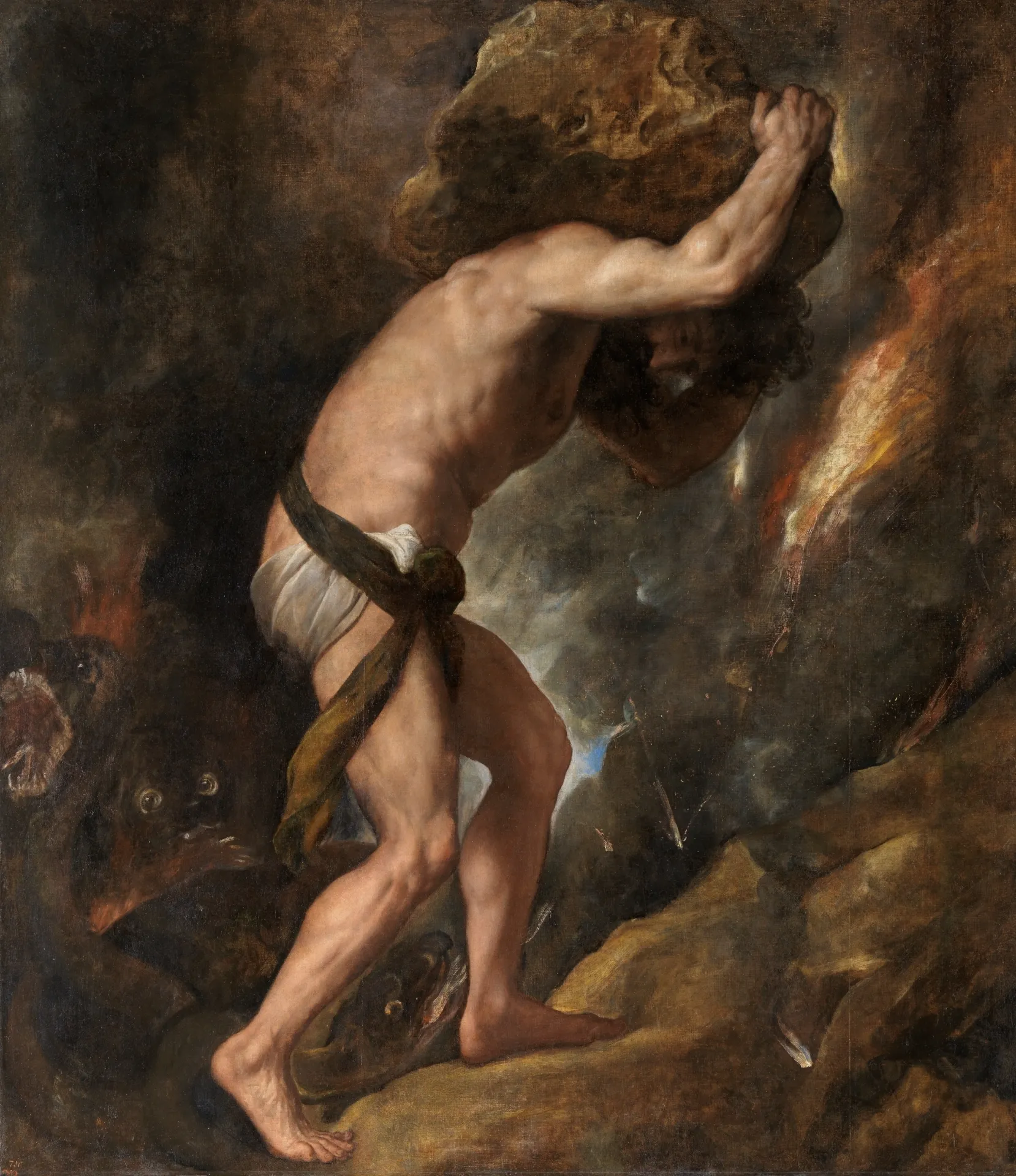
How long the line is
Each of the three main employment categories gets 40,040 green cards a year. Seven per cent of that is 2,803, the most any one country can receive in a category unless numbers go unused elsewhere.19 In fiscal 2016, by the National Foundation for American Policy’s estimate, the government approved petitions for 98,594 Indian EB-2 workers and family members. That year 4,407 Indians received EB-2 green cards.20
The same group estimated in August 2026 that 996,599 Indians, workers with approved petitions and their families, were waiting in the first three employment categories as of December 2025. That is 79 per cent of everyone in that line.20
How long the rest of the wait will be is a projection, and the projections vary:
| Who | When | Projection |
|---|---|---|
| Congressional Research Service | March 2020 | 195 years to clear the Indian EB-2 backlog |
| Cato Institute | August 2023 | 134 years for a new Indian applicant, EB-2 and EB-3 together |
| National Foundation for American Policy | August 2026 | 179 years in EB-2, 38 years in EB-3, for an Indian filing from January 2026 |
All three are projections for the line as a whole, built on assumptions such as nobody giving up or dying and no spare visas coming India’s way. None is a forecast for any one person.182120 Cato also estimated that about 424,000 employment applicants of all nationalities would die before their turn came, more than 90 per cent of them Indian.21

The common figure of “about 20 years” fits neither group. Measured from filing, it is too long for the people being processed today, who filed about 13 years ago, though most also spent years on an H-1B before that. It is far too short for anyone joining the line now.20
What the status does to a person
The H-1B ties a worker’s right to stay to a job. Since January 2017 a regulation has let workers whose job ends stay in status for up to 60 days, once per approved stay. The rule says the worker “may not work during such a period” and that the government “may eliminate or shorten this 60-day period as a matter of discretion”.22 On 11 September 2026 the Department of Homeland Security proposed removing the grace period altogether.23
Moving to a new employer is possible: 68,167 H-1B petitions approved in fiscal 2025 were for workers changing jobs.24
The family is tied to the worker. Spouses on H-4 visas have been allowed to work since May 2015, and only once the H-1B holder has an approved green card petition or an extension past six years while waiting for one.25 The Supreme Court refused to hear a challenge to that rule on 14 October 2025.26 Children who turn 21 before the family’s date comes up lose their place as dependants unless a formula in the Child Status Protection Act saves them. In August 2025 the government changed which of the bulletin’s two charts it uses for that formula, undoing a 2023 policy.27
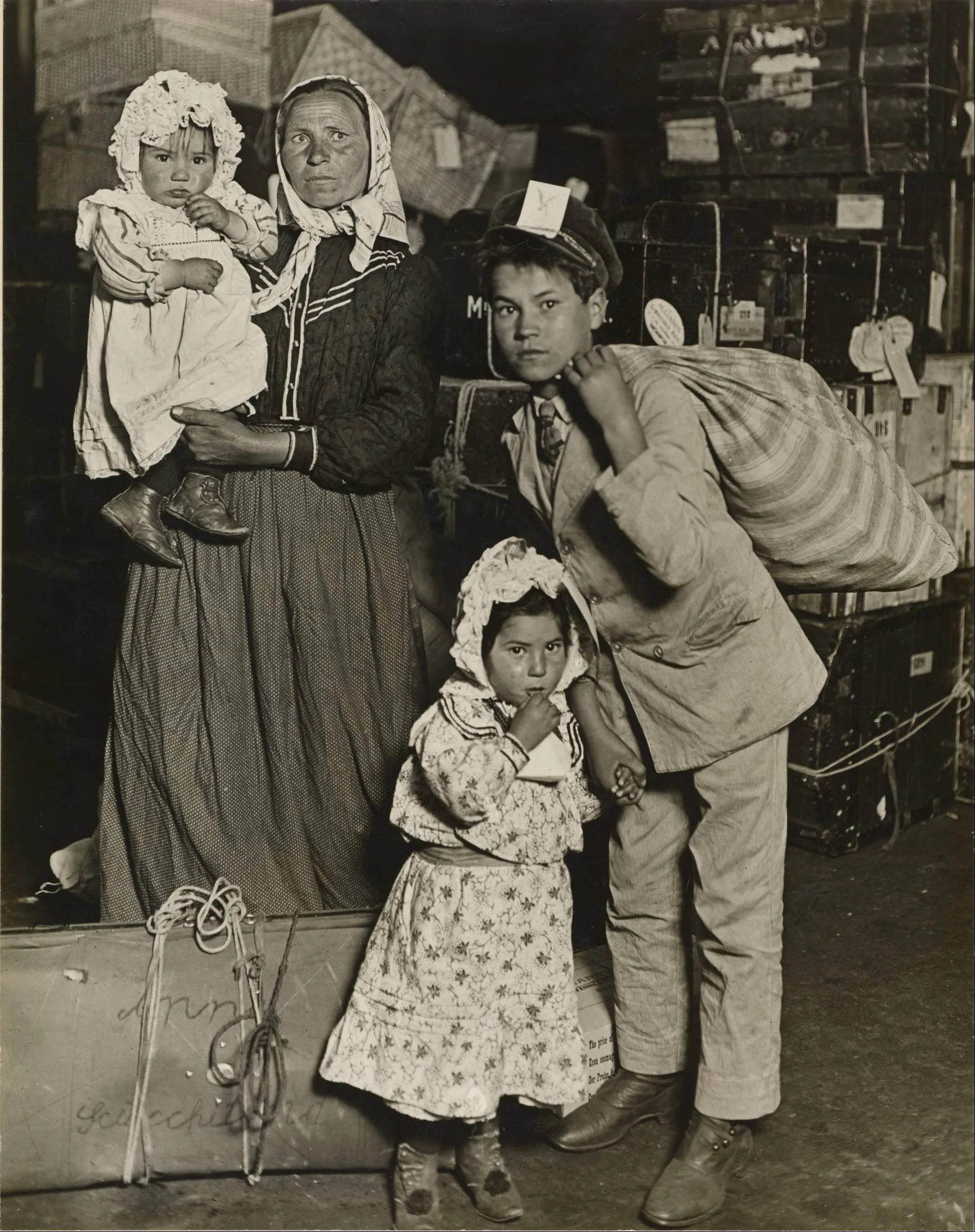
H-1B workers pay Social Security and Medicare taxes. For those resident for tax purposes, the IRS says the taxes apply “under the same rules that apply to U.S. citizens”, and its exemption for some visa holders does not cover the H-1B.28 They are not “qualified aliens” under federal law, so they are shut out of the federal means-tested benefits open to green card holders and other qualified groups.29 HealthCare.gov now says that from 1 January 2027 premium subsidies on the insurance marketplace go to green card holders and a few other groups; H-1B workers will still be able to buy cover, without help.30 India and the United States have no social security agreement, so a worker who leaves before earning 40 quarters of credits cannot count Indian contributions towards a US pension.31
Who holds the visas now
In fiscal 2025, 69.9 per cent of approved H-1B petitions were for people born in India, and China came second with 12.1 per cent.32 Most of those approvals were renewals and transfers. Among petitions for initial employment, India’s share was 50.3 per cent.32 The median approved worker was paid $133,000; 58 per cent held a master’s degree and 8 per cent a doctorate.32 The pay figures are what employers stated on the petition, and the government does not verify them.32
The biggest sponsors of initial employment that year were Amazon, Meta, Microsoft and Google, the first time those four held the top four places.24 Part 2 of this series looks at the charges now made against Indian H-1B workers and the firms that hire them.
2025 and 2026
On 19 September 2025 President Donald Trump signed Proclamation 10973, which barred entry on new H-1B petitions unless they were accompanied by “a payment of $100,000”. It applied to new petitions for workers outside the country, not to renewals or people already in the United States.33 A federal judge in Washington upheld it in December 2025.34 On 8 June 2026 a federal court in Massachusetts, hearing a suit by 20 states, set aside the guidance that put the payment into effect, and on 24 July the appeals court refused to pause that ruling.35 Trump extended the proclamation on 18 September 2026 to September 2027.36 It is not being collected while the court order stands.35
The lottery itself changed. A rule that took effect on 27 February 2026 weights the draw towards higher wage levels.37 The Department of Homeland Security has also proposed a separate fee of $103,265 on every cap-subject petition, and the Labor Department has proposed raising the prevailing wage levels employers must pay.38 None of these changes the per-country cap. The October 2026 bulletin’s date for Indian EB-2 applicants is 1 November 2013.1
Sources and notes38
Footnotes
-
US Department of State, Visa Bulletin for October 2026, final action dates, as transcribed by visa-bulletin.us and International Legal and Business Services Group (29 September 2026); the State Department page was blocked to the desk. The India dates agree in both copies; the rest-of-world EB-2 date rests on one transcription. Confidence: reported. ↩ ↩2 ↩3
-
Immigration and Nationality Act, Public Law 82-414, 66 Stat. 163, 27 June 1952. Confidence: verified. ↩
-
Wikipedia, “Immigration and Nationality Act of 1952”. Party breakdown not compiled. Confidence: reported. ↩
-
US House of Representatives, Office of the Historian, “Immigration and Nationality Act of 1965”, read via search summary 4 October 2026. Confidence: reported. ↩
-
Public Law 89-236, 79 Stat. 911, 3 October 1965. The limit at first covered the Eastern Hemisphere only; amendments in 1976 extended it (Immigration History, University of Texas at Austin, reported). Confidence: verified. ↩
-
GPO, History of Bills 1990, S. 358; GovTrack, H.R. 4300. Confidence: verified (S. 358) / reported (H.R. 4300). ↩
-
Immigration Act of 1990, Public Law 101-649, 29 November 1990, sections 205 and the per-country provision; Congressional Research Service, RL30498, on dual intent; the US Code amendment notes date the removal of the foreign-residence requirement to 1 October 1991 (reported). Confidence: verified. ↩ ↩2
-
Senate votes 117 (1989) and 323 (1990) from GovTrack’s member-by-member copy of the Senate record, as senate.gov was blocked to the desk (reported); House roll calls 406 and 530 of 1990 from the Clerk of the House (verified). Democratic totals include no independents. Confidence: verified/reported. ↩
-
George H. W. Bush, “Statement on Signing the Immigration Act of 1990”, 29 November 1990, American Presidency Project. Confidence: verified. ↩
-
National Foundation for American Policy, Employment-Based Immigration Backlogs and Waiting Times, August 2026, which puts Indians at 79 per cent of the employment backlog (estimated). The Iceland comparison follows from the statute. Confidence: verified. ↩
-
Clerk of the House, roll call 460, 24 September 1998 (verified); CRS RL30498 on the cap and the omnibus (verified). The Senate passed its own bill, S. 1723, 78 to 20 on 18 May 1998 (GovTrack, reported). The omnibus, H.R. 4328, was signed on 21 October 1998. Confidence: verified. ↩
-
GovTrack, Senate vote 262, 3 October 2000 (reported); CRS RL30498 (verified). Signed by President Bill Clinton on 17 October 2000. Confidence: verified/reported. ↩
-
Consolidated Appropriations Act 2005, Public Law 108-447, Title IV (H-1B Visa Reform Act of 2004); CRS RL30498 (verified). Current cap from USCIS, “H-1B Cap Season”, read 4 October 2026 via search (reported). Confidence: verified/reported. ↩
-
Clerk of the House, roll call 437, 10 July 2019. One independent also voted yes. Confidence: verified. ↩
-
Wikipedia, “Fairness for High Skilled Immigrants Act”; National Immigration Forum explainer, 2020. Confidence: reported. ↩
-
Library of Congress, BILLSTATUS for H.R. 1044 (116th Congress), via govinfo. Confidence: verified. ↩
-
Library of Congress, BILLSTATUS for H.R. 3648 (117th Congress). Confidence: verified. ↩
-
William A. Kandel, The Employment-Based Immigration Backlog, Congressional Research Service R46291, 26 March 2020. That CRS published these figures is verified; the figures themselves are projections. Confidence: verified (source) / estimated (projection). ↩ ↩2
-
CRS R46291. In practice India often exceeds 2,803 through unused numbers: in 2019 Indians received 2,908 EB-2 green cards. Confidence: verified. ↩
-
National Foundation for American Policy, August 2026, from USCIS data with NFAP’s estimate of dependants. NFAP is a pro-immigration think tank. The 13-year figure is the desk’s arithmetic from the October 2026 bulletin. Confidence: estimated. ↩ ↩2 ↩3 ↩4
-
David J. Bier, “1.8 Million in Employment-Based Green Card Backlog”, Cato Institute, 29 August 2023, read via the Wayback Machine. Cato notes some double counting. Confidence: estimated. ↩ ↩2
-
8 CFR 214.1(l)(2), in force since 17 January 2017. Confidence: verified. ↩
-
Department of Homeland Security, “Eliminating the Discretionary 60-Day Grace Period”, proposed rule, 91 FR 57807, 11 September 2026. Comments close 10 November 2026. Confidence: verified. ↩
-
Stuart Anderson, National Foundation for American Policy, H-1B Petitions and Denial Rates in FY 2025, 17 November 2025, from the USCIS H-1B Employer Data Hub. Confidence: reported. ↩ ↩2
-
DHS, “Employment Authorization for Certain H-4 Dependent Spouses”, 80 FR 10284, 25 February 2015, effective 26 May 2015. Eligibility also covers spouses of workers extended under AC21. Confidence: verified. ↩
-
Supreme Court of the United States, docket 24-923, Save Jobs USA v. DHS, certiorari denied 14 October 2025. Confidence: verified. ↩
-
Ogletree Deakins, August 2025, on USCIS returning to the Final Action Dates chart for filings from 15 August 2025. Confidence: reported. ↩
-
Internal Revenue Service, “Aliens employed in the US: Social Security taxes”. The exemption covers F, J, M and Q visa holders, not H-1B. Confidence: verified. ↩
-
8 U.S.C. 1641(b). Confidence: verified. ↩
-
HealthCare.gov, “Lawfully present immigrants”, read 4 October 2026. The law change behind the page was not traced. Confidence: verified. ↩
-
India Briefing, 2025. Confidence: reported. ↩
-
USCIS, Characteristics of H-1B Specialty Occupation Workers, Fiscal Year 2025, signed 24 April 2026. A petition is not a person: one worker can have several in a year. Confidence: verified. ↩ ↩2 ↩3 ↩4
-
Proclamation 10973, 90 FR 46027, signed 19 September 2025; USCIS H-1B FAQ (verified). The exemption for in-country changes of status rests on NFAP’s reading of USCIS guidance (reported). Confidence: verified/reported. ↩
-
Chamber of Commerce v. DHS, Judge Beryl Howell, 23 December 2025, via Fragomen. Confidence: reported. ↩
-
USCIS H-1B FAQ, court alert, on State of California v. Mullin, 1:25-cv-13829 (D. Mass.) (verified). The 20-state coalition from Borderless Counsel, 29 September 2026 (reported). Confidence: verified/reported. ↩ ↩2
-
Proclamation 11069, 91 FR 60497, signed 18 September 2026 (verified, Federal Register record); Yale Office of International Students and Scholars, 23 September 2026 (reported). Confidence: verified/reported. ↩
-
DHS, “Weighted Selection Process for Registrants and Petitioners Seeking To File Cap-Subject H-1B Petitions”, 90 FR 60864, 29 December 2025. Confidence: verified. ↩
-
DHS, “Fee for Certain H-1B Petitions”, proposed rule, 91 FR 54817, 25 August 2026; Department of Labor, “Improving Wage Protections…”, proposed rule, 91 FR 15454, 27 March 2026. Confidence: verified. ↩
Letters
No letters on this report yet.
Letter received
Thank you. It is with the editors now and will appear here if we publish it.