Europe, unwashed · 922–1888
They stink
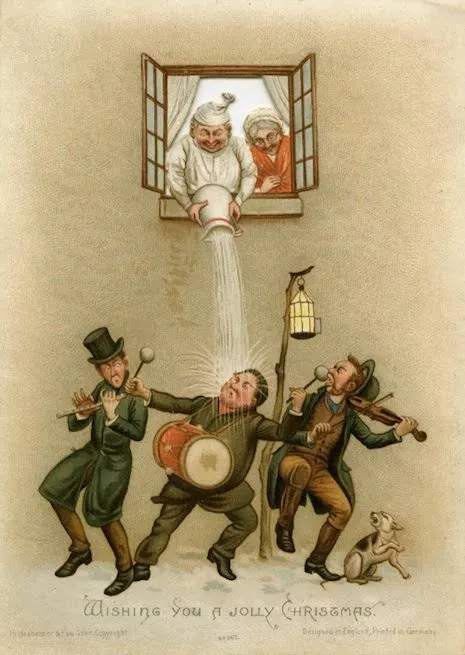
Europe likes to lecture India about hygiene. Its own records, from a Volga trading camp in 922 to the Houses of Parliament in 1858, tell of chamber pots out of windows, kings who would not get into a bath and a river so foul that MPs hung soaked canvas over the windows.
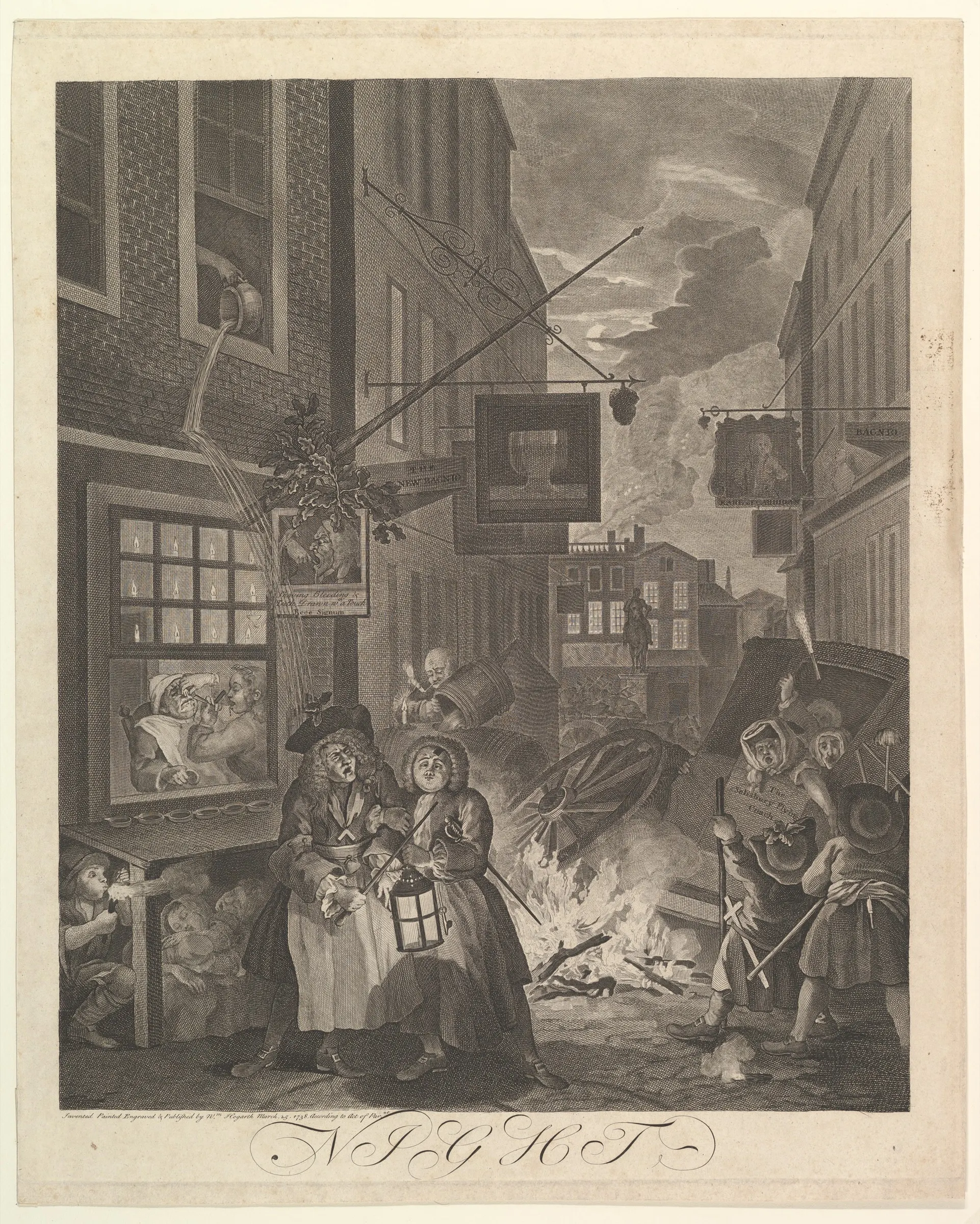
William Hogarth, Night (1738). Charing Cross after dark, and a chamber pot emptied from an upper window onto a drunk Freemason below.
गृहीतशिश्नश् चोत्थाय मृद्भिर् अभ्युद्धृतैर् जलैः । गन्धलेपक्षयकरं शौचं कुर्याद् अतन्द्रितः ॥
gṛhītaśiśnaś cotthāya mṛdbhir abhyuddhṛtair jalaiḥ | gandhalepakṣayakaraṃ śaucaṃ kuryād atandritaḥ ||
“…one should perform attentively the purification, sufficient to eradicate the stink sticking to the body.”1
On 30 April 2024 the American broadcaster Stew Peters posted a map captioned “Percentage of Indians Defecating in the open”, with two emoji, a flag and a turd. It was seen more than 16 million times. X attached a community note: the data was from 2001.2 The next day an account called SagasofBharat answered with a 13-post thread on the history of European filth, which was seen 1.7 million times.3
The note had a point. By the count of the WHO and UNICEF, the share of Indians who relieved themselves in the open fell from 73.2 per cent in 2000 to 6.7 per cent in 2024.4 This article takes up the thread’s side of the argument and goes to the records it drew on: Europe’s court rolls, police ordinances, royal doctors’ journals, diaries and parliamentary debates. Where the thread got a detail wrong, the box at the end says so.
The filthiest of God’s creatures
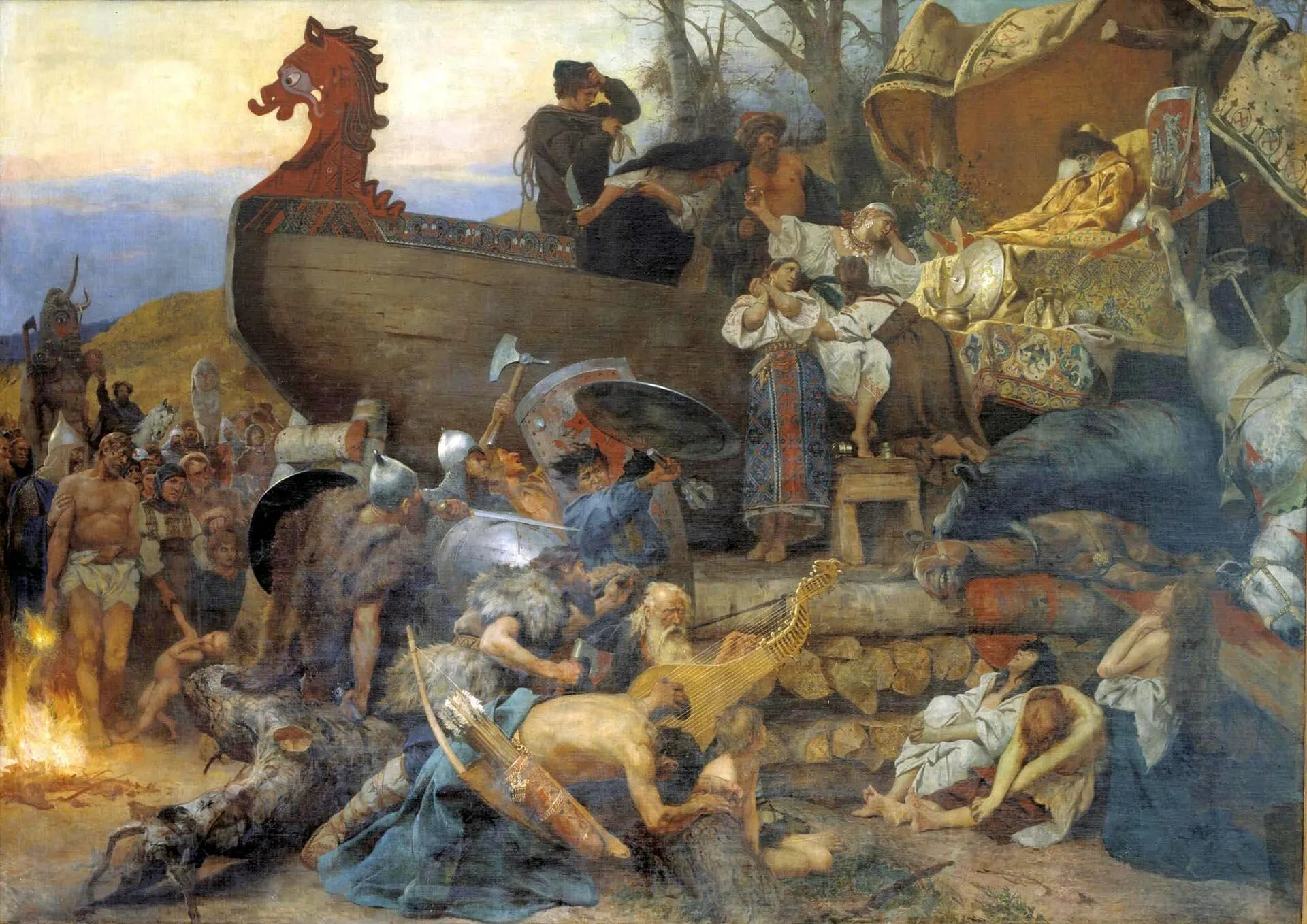
In 922 Ahmad ibn Fadlan, secretary to an embassy from the caliph in Baghdad, met a camp of Rus traders on the Volga. Most historians take the Rus to have been of Scandinavian stock. He admired their bodies (“like palm trees”) and was appalled by everything else. “They are the filthiest of God’s creatures,” he wrote. “They do not clean themselves after urinating or defecating, nor do they wash after having sex. They do not wash their hands after meals.”5
They did wash every morning, after a fashion. A slave girl brought her master a basin; he washed his face and hair in it, combed his hair over it, “then he blows his nose and spits and does every filthy thing imaginable in the water”. Then she carried the same basin to the next man, and the next, until every man in the house had used it.5
Two centuries later the English were still suspicious of a Northman who washed. A chronicle written at St Albans in the 13th century complained that the Danes in England “were wont, after the fashion of their country, to comb their hair every day, to bathe every Saturday, to change their garments often”. The chronicler counted this as vanity, a trick to “lay siege to the virtue of the married women”.6
London’s courts kept the receipts
London’s Assize of Nuisance heard complaints between neighbours, and its rolls survive from 1301. The first year’s cases include William de Béthune’s: the cesspit of William de Gartone’s privy was so close to his wall “that the sewage penetrates his cellar”. The editors of the rolls say this was the commonest complaint they found.7 In 1314 Alice Wade of Queenhithe was ordered to remove a wooden pipe she had run from the privy in her upstairs room to the street gutter, which was “frequently stopped up by the filth therefrom”, to the misery of the neighbours whose houses the gutter ran under.8
The king complained too. In 1357 Edward III told the mayor that, passing along the Thames, he had “beheld dung, and laystalls, and other filth” piled on the banks, and smelled “the fumes and other abominable stenches arising therefrom”.9 By 1372 so much dung and refuse had been thrown into the river that “great ships and vessels are not able, as of old they were wont, any longer to come up to the same city”.10 An inquest of 1356 found eleven privies built illegally over the moat of the Fleet Prison, whose inmates were “often affected with various diseases” from the stench.11
Paris banned the window for 400 years
In 1185, according to the royal chronicle, Philip Augustus was sitting at a palace window as carts churned the street below, and the stink of the mud rose so high that he could barely stand it. He ordered the streets paved.12
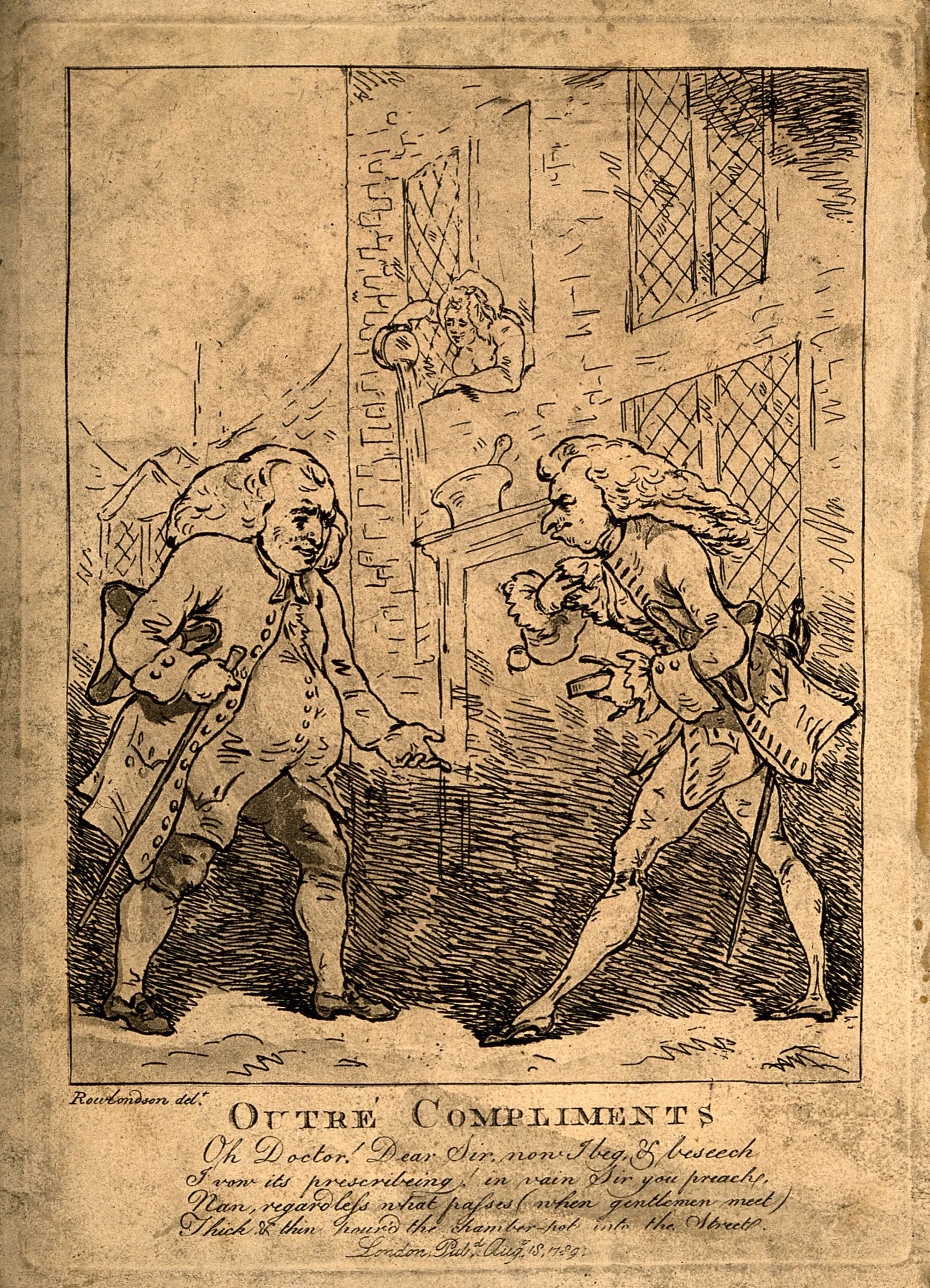
Paved streets did not stop Parisians emptying their pots onto them. On 8 November 1522 the Parlement ordered people without privies to stop throwing their filth “par les fenestres”. A plague ordinance of 1531 said the same, and an edict of Francis I in 1539 told every landlord without a cesspit to dig one within three months or lose the house. The ban was issued again in 1608. In 1780 a police ordinance still forbade throwing “urines, matières fécales et autres ordures” out of windows “by day or by night”, now on pain of a 300-livre fine.13 Passers-by learned to listen for the warning cry, “gare l’eau!”
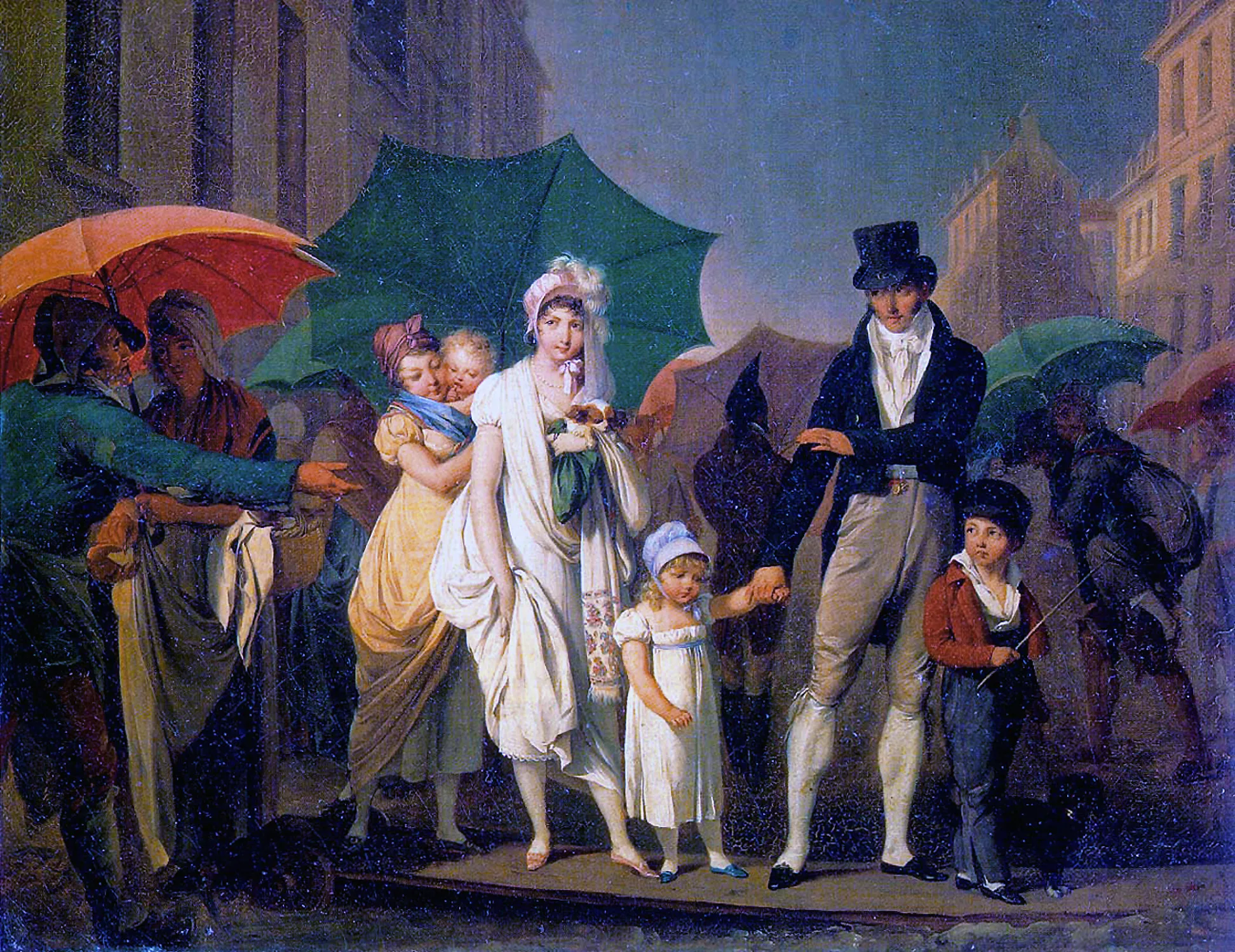
What collected in the street became the famous boue de Paris, a black mud that the 17th-century historian Henri Sauval described as “puantes, d’une odeur insupportable aux étrangers”, a smell, he said, that carried for three or four leagues around the city. It stained cloth so badly that the stain could not be got out without cutting out the piece. “Il tient comme boue de Paris” was a proverb for anything that would not come off.14
The bath goes out of fashion
Medieval Europe had bathhouses. The Paris tax roll of 1292 lists about 26 bath-keepers by name.15 They did not last. “Within these five and twenty years nothing was more in vogue in Brabant than hot baths,” Erasmus wrote in 1523, “but now they are everywhere grown out of use; but the new scabbado has taught us to lay them down.” The new scabbado was syphilis.16
The doctors finished the job. The surgeon Ambroise Paré wrote in 1568 that magistrates must shut the bathhouses in plague time, because a bath softens the flesh and opens the pores, “et partant la vapeur pestiferée peut entrer promptement dedans le corps et faire mourir subitement”: the plague vapour can get straight in and kill.17 At one of Théophraste Renaudot’s public debates in Paris in the 1630s, a speaker declared that bathing, unless a doctor ordered it, “is not only superfluous but very hurtful to men”, since “not water but air” was man’s element.18
For the next two centuries, as the historian Georges Vigarello has shown, Europe’s rich kept clean by changing into white linen and rubbing themselves dry, rather than by getting wet.19
The kings
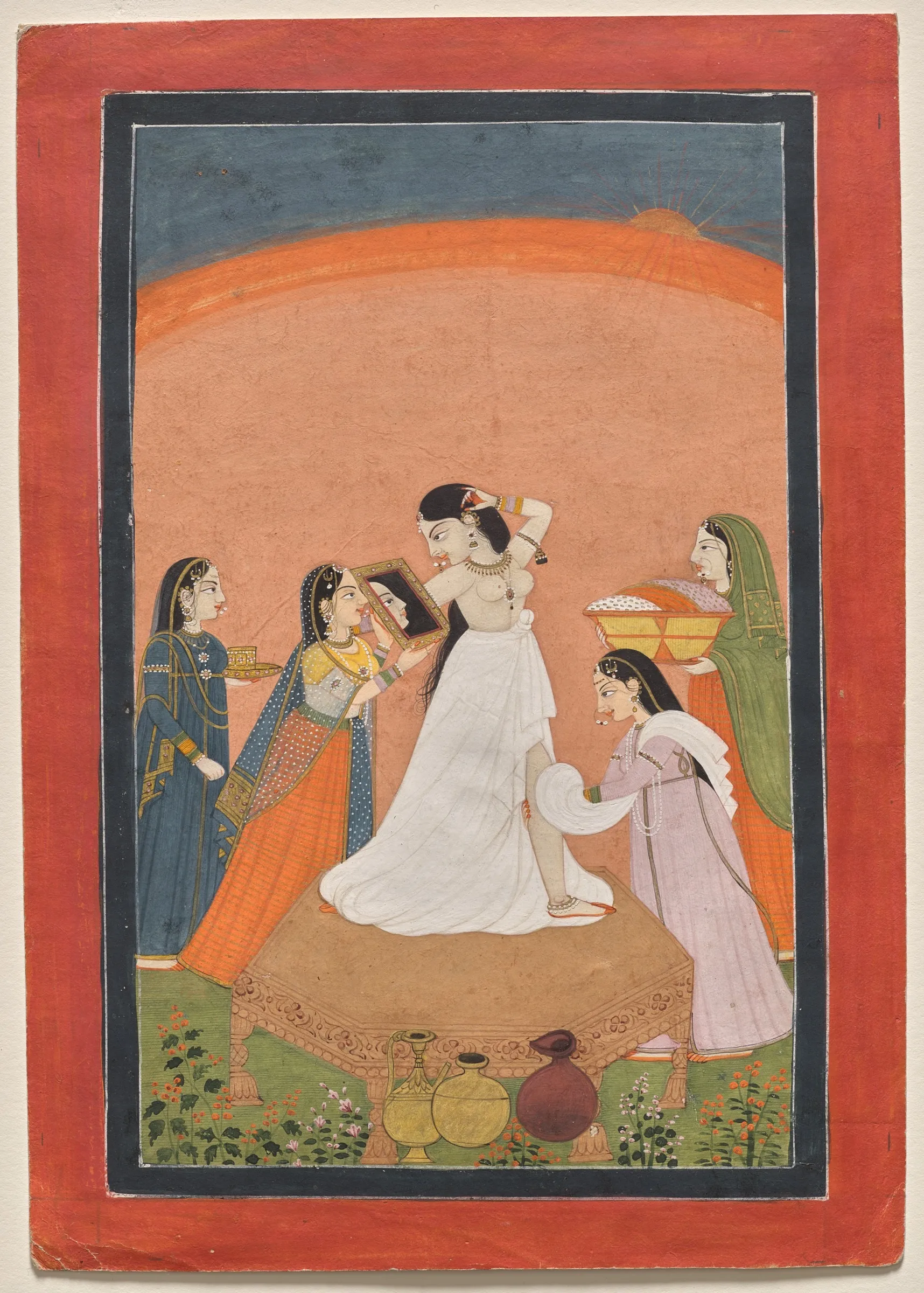
The future Louis XIII was born in September 1601, and his physician, Jean Héroard, logged his days. On 3 October 1606 the boy, aged five, had his legs washed in warm water: “c’est la première fois”. On 2 August 1608, two months short of his seventh birthday, Héroard wrote: “Baigné pour la première fois.” He rubbed himself with vine leaves.20 Two years earlier, on 8 August 1606, the court had ordered that nobody “de quelque qualité, condition ou nation” was to relieve themselves inside the grounds of the château at Saint-Germain. The same day the little Dauphin was caught urinating against the wall of his own room.21
His son Louis XIV is supposed to have bathed only once or twice in his life. That is legend. His doctors’ journal records twenty baths in ten days in August 1665, all on medical orders. His physician Antoine Vallot added that the king “ne s’est jamais voulu accoutumer aux bains de la chambre” except on that one occasion: he never cared for a bath in his rooms.22 Each morning, the Versailles historian Mathieu da Vinha writes, he washed his hands in spirits of wine.23
In England, in 1598, the German traveller Paul Hentzner watched Elizabeth I go to chapel at Greenwich. He noted her red wig, her small black eyes and “her teeth black (a defect the English seem subject to, from their too great use of sugar)”.24 England also tells a story that she bathed once a month “whether she needed it or not”. It appears in no source from her lifetime.25
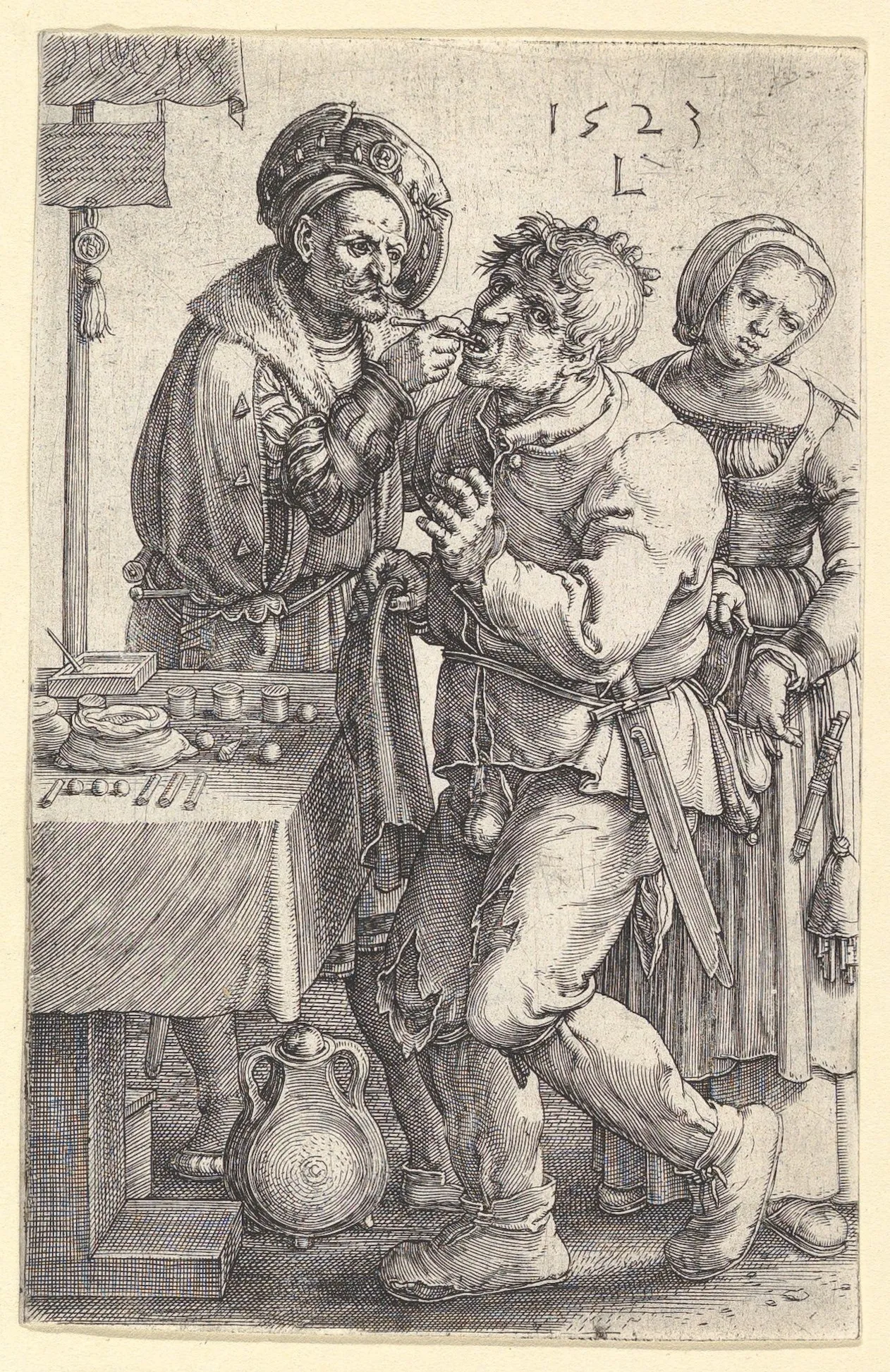
Her successor, James I, according to the courtier Sir Anthony Weldon, had skin “as soft as taffeta sarsnet, which felt so, because hee never washt his hands, onely rubb’d his fingers ends slightly with the wet end of a napkin”.26 Weldon had been thrown out of court and wrote it to wound.
The courts that left their mess behind
In the autumn of 1665 Charles II and his court fled the London plague to Oxford, and stayed the winter. When they left in February 1666 the Oxford antiquary Anthony Wood took stock. The courtiers, he wrote, “though they were neat and gay in their apparell, yet they were very nasty and beastly, leaving at their departure their excrements in every corner, in chimneys, studies, colehouses, cellers. Rude, rough, whoremongers; vaine, empty, carelesse.”27
In London on 20 October 1660, Samuel Pepys went down to his cellar to see about a window “and I stepped into a great heap of turds, by which I found that Mr. Turner’s house of office is full and comes into my cellar”. Victorian editions printed the word as a dash; the modern edition restored it. Three years later Pepys went to bed leaving workmen in his cellar “emptying the turds up through Mr. Turner’s own house”.28
The French court did no better. A petition to Louis XIV from the 1670s, asking leave to set up paid public latrines, described the Louvre: in the courtyard, “sur les grands degrés”, on the upper galleries and behind the doors, “on y voit mille ordures, on y sent mille puanteurs insupportables”, from the needs “que chacun y va faire tous les jours”, residents and visitors alike.29 At Versailles in 1745 iron barriers were put across the arcades of the Galerie des Princes, which, a courtier recorded, served “ordinairement pour le soulagement du public”.30
Gardy loo
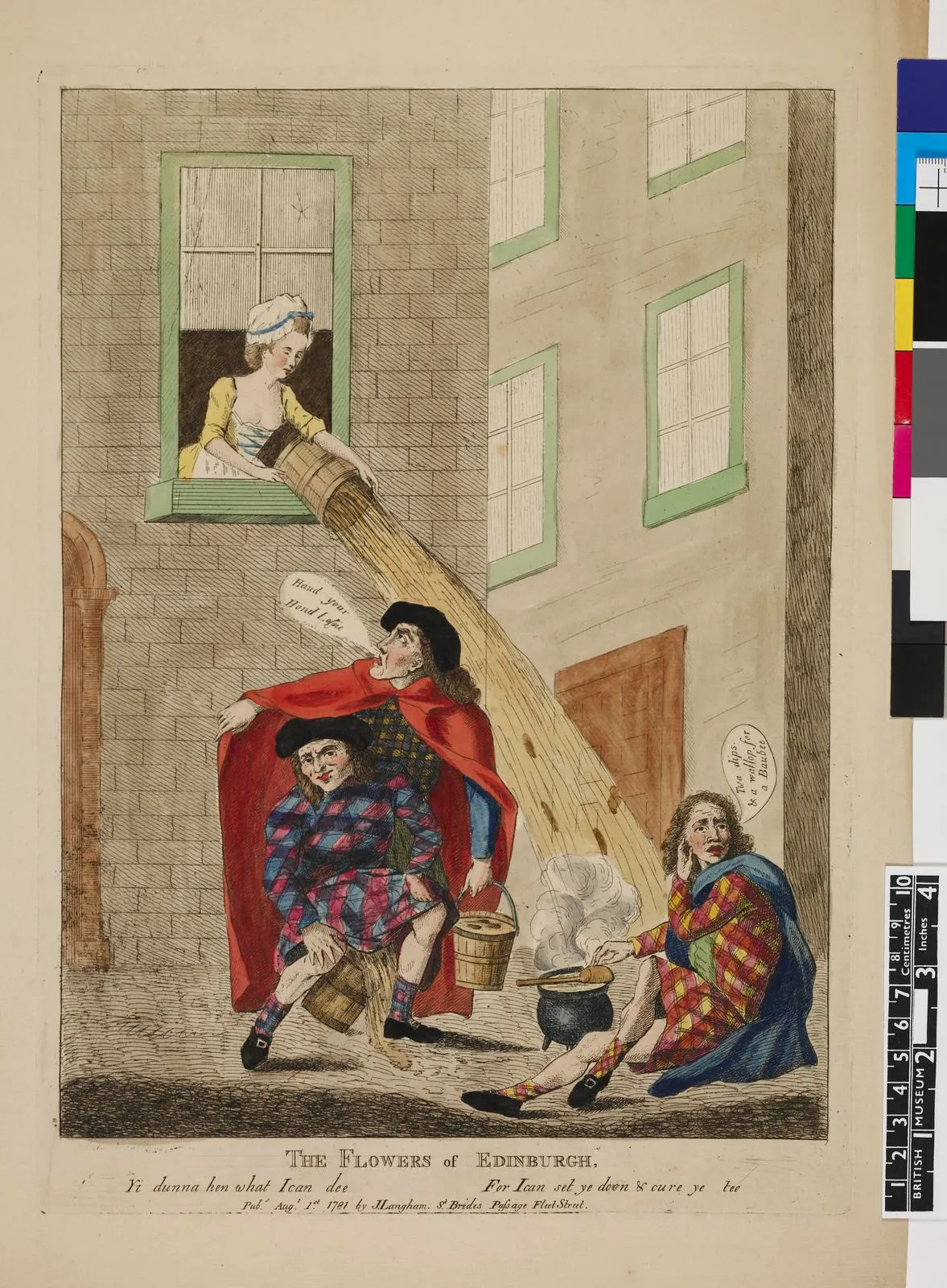
In Tobias Smollett’s novel Humphry Clinker (1771), a Welsh maid describes the routine. The family’s chamber pots were emptied into a barrel, “and at ten o’clock at night the whole cargo is flung out of a back windore that looks into some street or lane, and the maids calls gardy loo to the passengers”. Her master, in his own letter, warned that on the common stair “a man must tread with great circumspection to get safe housed with unpolluted shoes”, and noted that the custom was the same “in Spain, Portugal, and some parts of France and Italy”.31 The cry came from the French “gardez l’eau” and was first recorded in the burgh’s records in 1662.32
Mouthwash
The thread said the Romans rinsed their teeth with urine until the 1700s. The Roman sources mock the habit as foreign. Catullus sneered at Egnatius, a Spaniard, for teeth “Hibera defricatus urina”, scrubbed with Spanish urine.33 The Romans did have a use for the stuff. Fullers used it to clean cloth, and Vespasian taxed its collection; when his son Titus objected, Vespasian held a coin from the first payment under his nose and asked if it smelled.34
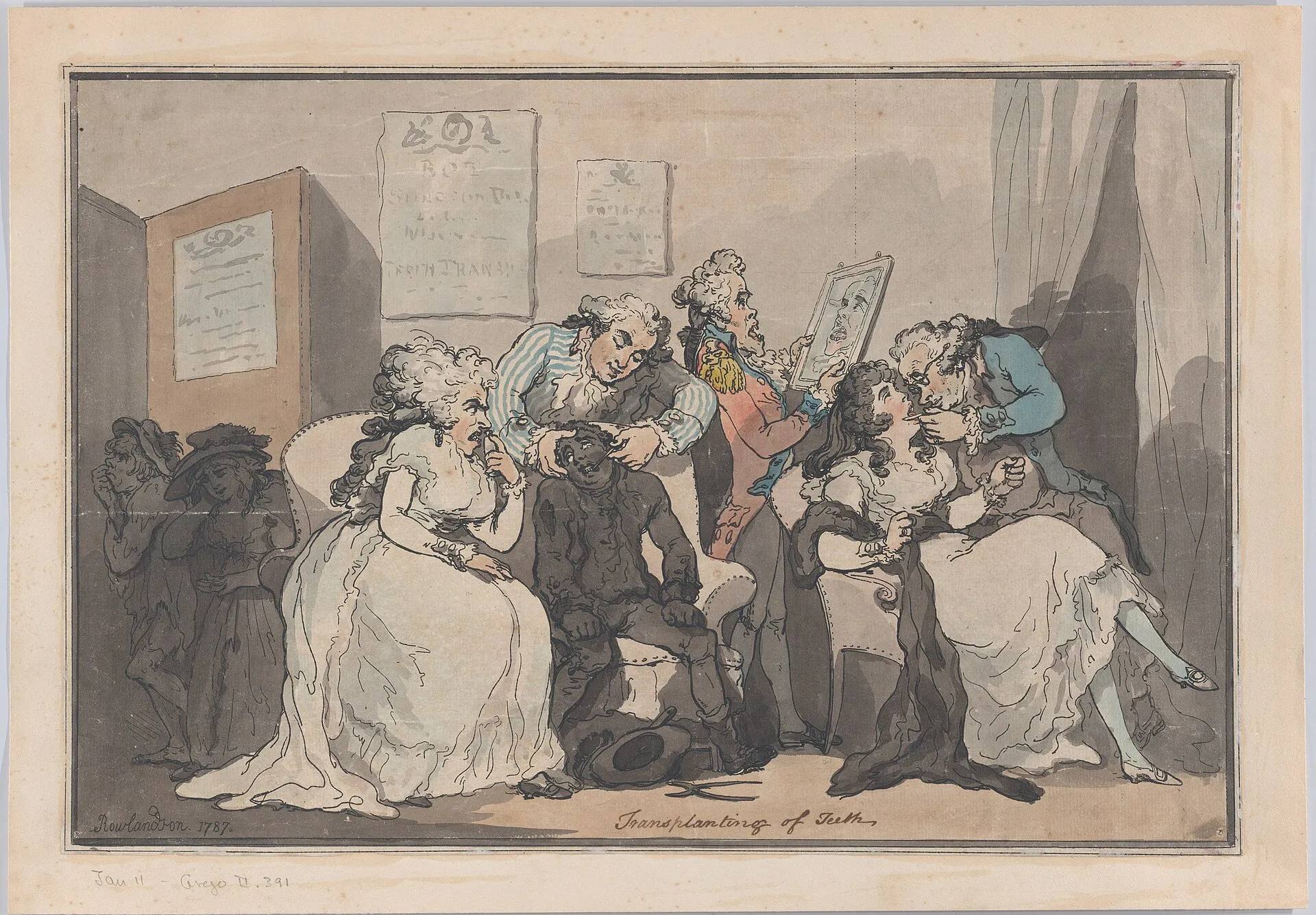
The 1700s part is true, though, and not about Rome. In 1728 Pierre Fauchard, the Paris surgeon called the father of modern dentistry, published his remedy for decay: rinse the mouth “tous les matins, & même le soir”, with “quelques cuillerées de son urine tout nouvellement rendue”, a few spoonfuls of one’s own fresh urine, and hold it there for a while. “Ce remède est bon,” he wrote.35 The first toothbrush on record in England turns up in 1690, in Anthony Wood’s accounts, bought from a J. Barret.36
The smell of the continent
The English thought they had come a long way. In 1836 the travel writer Frances Trollope recalled landing at Calais and hearing a novice traveller cry “What a dreadful smell!” and bury his nose in his handkerchief. “It is the smell of the continent, sir,” an old hand told him. Trollope reckoned the whole continent, “with the exception of some portion of Holland perhaps”, inferior to England in this respect.37 Napoleon, so the story goes, had once written to Josephine on his way home from a campaign: “Ne te lave pas, j’arrive.” Don’t wash, I’m coming. No one has found the letter.38
London’s river
London drank from a river it also used as a drain. In 1828 William Heath drew a lady dropping her teacup at the monsters in a magnified drop of it.
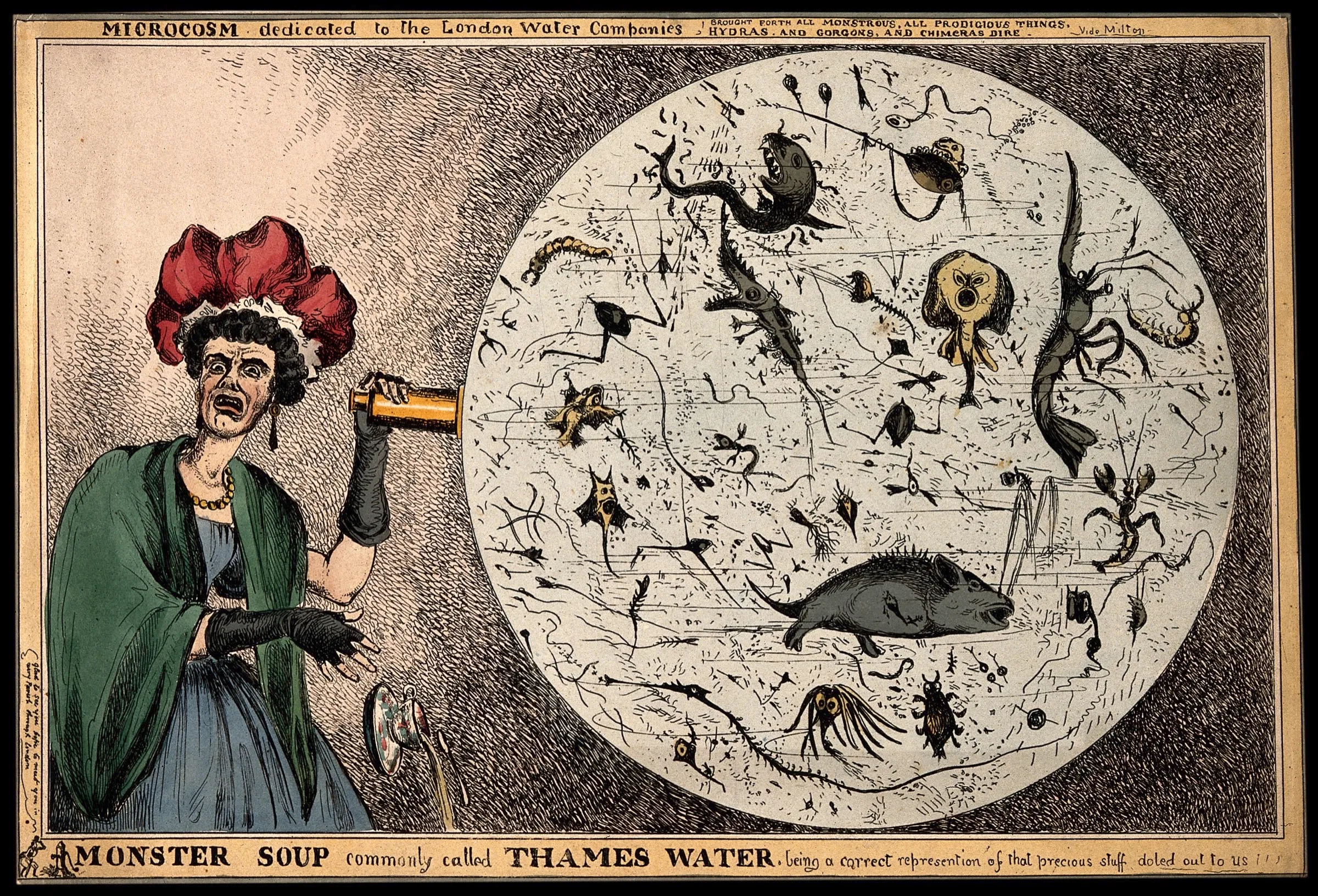
Cholera killed 5,275 Londoners in 1832, 14,137 in 1849 and 10,738 in 1854.39 In 1854 John Snow counted “upwards of five hundred fatal attacks of cholera in ten days” within 250 yards of one pump on Broad Street in Soho, persuaded the parish to take its handle off on 8 September and went on to show the water was carrying the disease.40
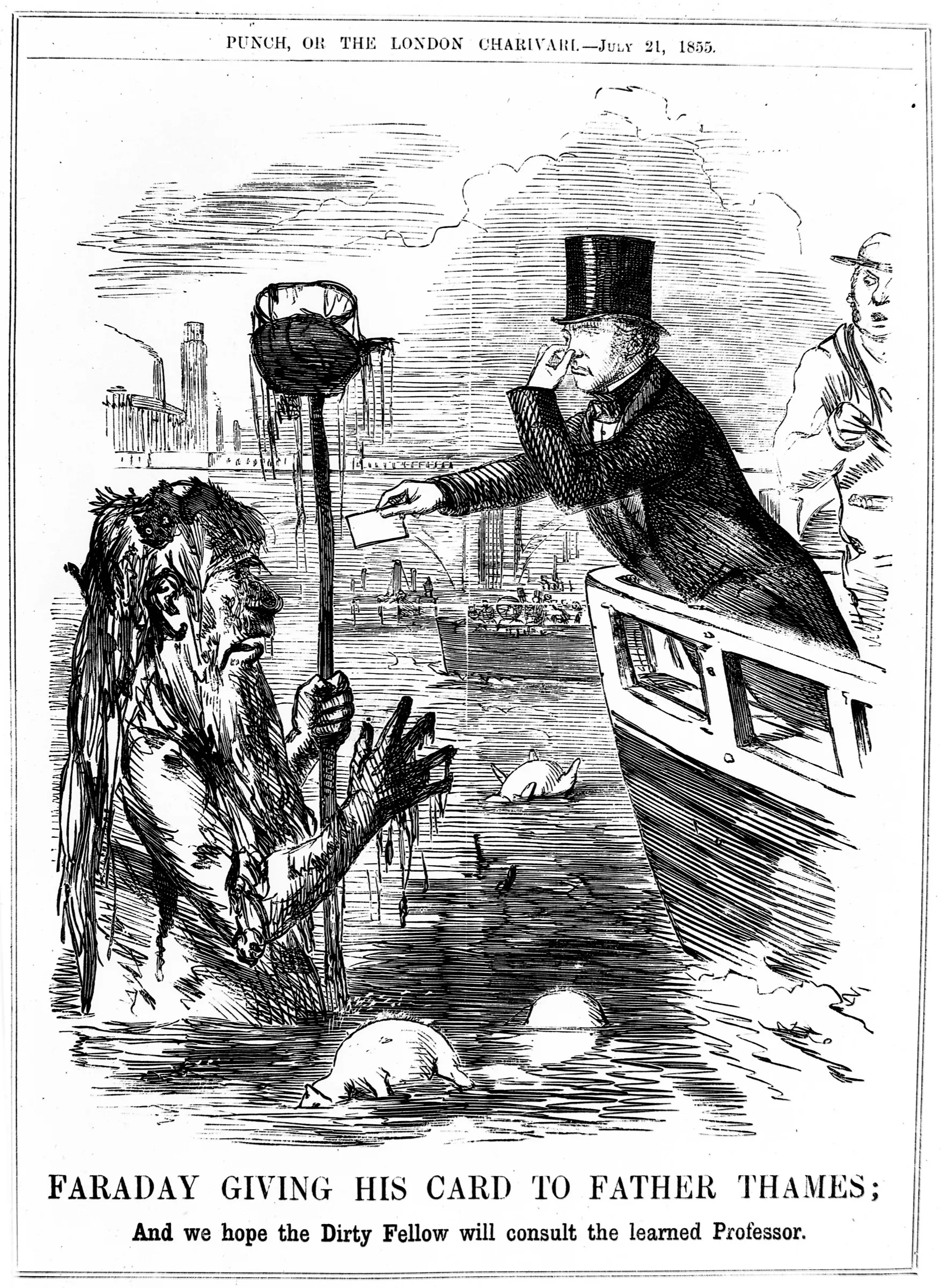
Then came the hot summer of 1858. On 18 June the House of Commons debated the smell coming through its own windows. Ross Mangles, the member for Guildford, said God had given them “a most magnificent river, and they had turned it into the vilest of sewers”. Lord John Manners read a report explaining that “canvass moistened with a weak solution of chloride of zinc and lime” had been hung at the windows of both Houses, and that boatloads of lime had been tipped into the river outside.41 On 15 July Benjamin Disraeli told the House that the Thames, “so long the pride and joy of Englishmen”, had become “a Stygian pool, reeking with ineffable and intolerable horrors”.42 The act that paid for London’s sewers received the royal assent on 2 August 1858.43
Two Indians in London
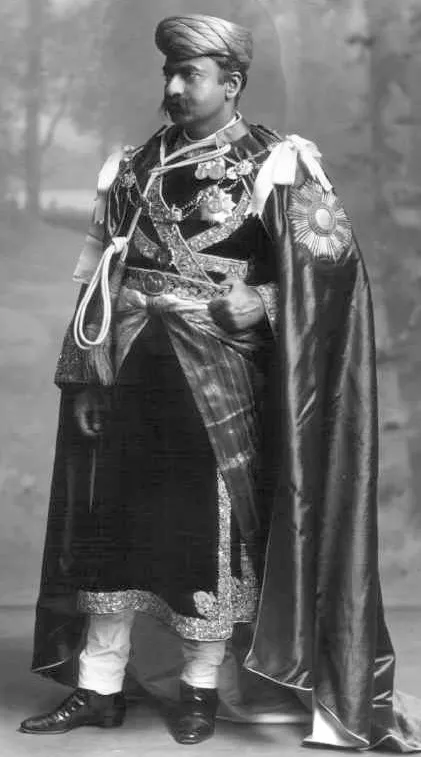
In 1883 Bhagvatsinhji, the young Thakore Saheb of Gondal in Kathiawar, toured England and kept a journal. Near the Thames Tunnel he found the streets “very narrow, dirty and unpleasant”. “I was labouring under the impression that of all cities in the world London, the metropolis of the vast English Empire, must not only be a charming place to live in, but that its lanes and by-lanes must be entirely free from filth,” he wrote. “The results of my personal observation, however, have been disappointing.” Woolwich he called “an extremely filthy and dirty place”.44
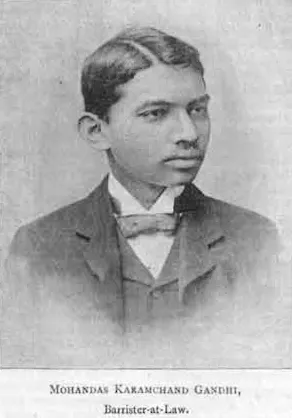
Five years later a 19-year-old Hindu law student sailed for London and kept a diary in English. Each morning on the ship, he wrote, he “washed my teeth, then went to the w. c. and took my bath”. The English water-closets “astonished a native passenger”. His name was M.K. Gandhi, and he explained the problem: “We do not get there water and are obliged to use pieces of paper.”45
Sources and notes45
Footnotes
-
Yajnavalkya Smriti 1.17, trans. J.R. Gharpure (1936). https://www.wisdomlib.org/hinduism/book/yajnavalkya-smriti-with-mitakshara-and-viramitrodaya/d/doc1875981.html. Gandha-lepa-kṣaya-kara: that which destroys smell and smear. Confidence: verified. ↩
-
Stew Peters (@realstewpeters), post on X, 30 April 2024, with community note; view count 16,220,839 as read on 2 October 2026. https://x.com/realstewpeters/status/1785345111640986045. Confidence: verified. ↩
-
@SagasofBharat, thread on X, 1 May 2024, 13 posts; view count of the first post 1,688,174 as read on 2 October 2026. https://x.com/SagasofBharat/status/1785687398661431579. Confidence: verified. ↩
-
WHO/UNICEF Joint Monitoring Programme, “People practicing open defecation (% of population)”, India, via World Bank indicator SH.STA.ODFC.ZS (updated 13 July 2026). https://data.worldbank.org/indicator/SH.STA.ODFC.ZS?locations=IN. The government declared India open-defecation free on 2 October 2019; the JMP still estimated 11.7 per cent in 2022. Confidence: verified. ↩
-
Ibn Fadlan, Ibn Fadlan and the Land of Darkness, trans. Paul Lunde and Caroline Stone (Penguin Classics, 2012), section “The uncleanliness of the Rūs”, about pp. 45-47. Ibn Fadlan judged by the Islamic rules of washing after the toilet and after sex. Confidence: verified (page approximate). ↩ ↩2
-
“The Chronicles of John Wallingford”, trans. Joseph Stevenson, The Church Historians of England vol. II part II (1854), pp. 558-559. The chronicle was written by an unknown St Albans monk about 1220-1258; John of Wallingford owned the manuscript. https://archive.org/details/churchhistorians22stev. Confidence: verified. ↩
-
H.M. Chew and W. Kellaway (eds), London Assize of Nuisance 1301-1431: A Calendar, London Record Society vol. 10 (1973), case 2 and introduction. https://www.british-history.ac.uk/london-record-soc/vol10/pp1-10. Confidence: verified. ↩
-
London Assize of Nuisance, case 214, 16 August 1314. https://www.british-history.ac.uk/london-record-soc/vol10/pp41-54. Confidence: verified. ↩
-
H.T. Riley (ed.), Memorials of London and London Life (1868), pp. 295-300, Letter-Book G, 1357. https://www.british-history.ac.uk/no-series/memorials-london-life/pp295-300. Confidence: verified. ↩
-
Riley, Memorials, pp. 361-368, proclamation of 1372. https://www.british-history.ac.uk/no-series/memorials-london-life/pp361-368. Confidence: verified. ↩
-
Riley, Memorials, pp. 279-280, writ of 16 December 1355 and inquest of 9 January 1356; the count of privies is from Riley’s summary of the inquest. https://www.british-history.ac.uk/no-series/memorials-london-life/pp275-280. Confidence: verified. ↩
-
Grandes Chroniques de France, after Rigord, as printed in Alfred Franklin, La vie privée d’autrefois: L’Hygiène (Plon, 1890), pp. 6-7. https://archive.org/details/lavieprivedautre14fran. Confidence: verified. ↩
-
Franklin, L’Hygiène (1890): Parlement, 1522, p. 40; plague ordinance of 26 August 1531, pp. 41-44; edict of November 1539, pp. 44-46; ordinance of 1608, pp. 85-86; police ordinance of 8 November 1780, p. 165; the cry “gare l’eau”, p. 134. Franklin also shows that some Paris houses had cesspits by 1350. Confidence: verified, from Franklin’s transcriptions. ↩
-
Henri Sauval, Histoire et recherches des antiquités de la ville de Paris, t. I, p. 186, as quoted in Franklin, L’Hygiène, pp. 131-133. Confidence: verified, from Franklin. ↩
-
H. Géraud, Paris sous Philippe-le-Bel (1837), pp. 628-629, the 1292 taille. Some names may be surnames rather than working bath-keepers; other counts give 27. https://archive.org/details/parissousphilipp00grau. Confidence: verified. ↩
-
Erasmus, “Diversoria” (1523), in The Whole Familiar Colloquies, trans. Nathan Bailey (1877), p. 151. https://archive.org/details/wholefamiliarcol00erasiala. Confidence: verified. ↩
-
Ambroise Paré, Traicté de la peste (1568), book XXIV ch. XI, in Œuvres complètes, ed. J.-F. Malgaigne, vol. III (1841), pp. 376-377. https://archive.org/details/oeuvrescomplte03par. Confidence: verified. ↩
-
A General Collection of Discourses of the Virtuosi of France (1664), Conference LXXXIII, “Of Baths”, the English translation of the Bureau d’adresse conferences. The line is the third speaker’s; the fourth answered that a bath “cleanses the body”. https://archive.org/details/b30338347. Confidence: verified. ↩
-
Georges Vigarello, Concepts of Cleanliness: Changing Attitudes in France since the Middle Ages, trans. Jean Birrell (Cambridge University Press, 1988; French edition Le Propre et le sale, 1985). Confidence: reported. ↩
-
Journal de Jean Héroard sur l’enfance et la jeunesse de Louis XIII, ed. Soulié and Barthélemy, vol. I (1868), p. 219 (1606) and p. 349 (1608). The 1868 edition is abridged. https://archive.org/details/journaldejeanh01hruoft. Confidence: verified. ↩
-
Héroard, Journal, t. I, p. 204, as quoted in Franklin, L’Hygiène, p. 138. Confidence: verified, from Franklin. ↩
-
Journal de la santé du roi Louis XIV, by Vallot, d’Aquin and Fagon, ed. J.-A. Le Roi (1862), pp. 92-93, 7-17 August 1665; the same journal records river baths in 1669. https://archive.org/details/journaldelasant00vall. The “once or twice in his life” story has no source. Confidence: verified (journal); legend (the story). ↩
-
Mathieu da Vinha, “La journée de Louis XIV”, Château de Versailles magazine. https://www.chateauversailles.fr/sites/default/files/presse/documents/la_journee_de_louis_xiv_-_article_mathieu_da_vinha_magazine_chateau_de_versailles.pdf. Confidence: reported. ↩
-
Paul Hentzner, Travels in England during the Reign of Queen Elizabeth (trans. Richard Bentley for Horace Walpole, 1757; Cassell edition 1892). https://www.gutenberg.org/ebooks/1992. Hentzner also describes bathing rooms at Windsor. Confidence: verified. ↩
-
No contemporary source for the monthly bath has been found; the joke appears in print in the 20th century and is told of several people. Confidence: unknown. ↩
-
Sir Anthony Weldon, The Court and Character of King James (1650), reprinted in Secret History of the Court of James the First, vol. II (1811), p. 2. Weldon was dismissed from court about 1617 and the book appeared after his death as anti-Stuart polemic. https://archive.org/details/secrethistoryco00scotgoog. Confidence: verified (text); the witness is hostile. ↩
-
Andrew Clark (ed.), The Life and Times of Anthony Wood, vol. II, Oxford Historical Society vol. 21 (1892), p. 68, February 1665/6. The thread’s version, “coleholes”, is a misreading of “colehouses”. https://archive.org/details/lifetimesofantho02wooduoft. Confidence: verified. ↩
-
The Diary of Samuel Pepys, 20 October 1660 and 7 July 1663, in the Latham and Matthews text; the Wheatley edition prints “––” and “vats”. https://www.pepysdiary.com/diary/1660/10/20/. Confidence: verified. ↩
-
Undated petition to Louis XIV, about 1670-1682, printed from the Delamare papers in Franklin, L’Hygiène, pp. 138-140. It was a business proposal for pay latrines, so it had reason to paint a dark picture. Confidence: verified, from Franklin. ↩
-
Mémoires du duc de Luynes, t. VII, p. 366, as quoted in Augustin Cabanès, Mœurs intimes du passé (1908), pp. 382-383. https://archive.org/details/moeursintimesdup01cabauoft. Confidence: reported. ↩
-
Tobias Smollett, The Expedition of Humphry Clinker (1771), letters of Win Jenkins and Matthew Bramble, Edinburgh, 18 July. https://www.gutenberg.org/ebooks/2160. A comic novel; Bramble’s letter is the more sober. Confidence: verified (text). ↩
-
Dictionary of the Scots Language, “gardyloo”, citing the Edinburgh burgh records for 25 July 1662. https://www.dsl.ac.uk/entry/snd00071014. Confidence: reported. ↩
-
Catullus 37.20 and 39.17-21; Strabo, Geography 3.4.16, says the same of the Cantabrians, by hearsay. https://www.perseus.tufts.edu/hopper/text?doc=Perseus:text:1999.02.0003:poem=39. Confidence: verified. ↩
-
Suetonius, Vespasian 23.3; Cassius Dio 65.14.5. Neither has the phrase “pecunia non olet”, which is later. Pliny, Natural History 28, mentions fullers’ use of urine. https://penelope.uchicago.edu/Thayer/E/Roman/Texts/Suetonius/12Caesars/Vespasian*.html. Confidence: verified. ↩
-
Pierre Fauchard, Le Chirurgien Dentiste (first edition 1728), read in the 1786 edition, vol. I, about pp. 157-158. https://archive.org/details/lechirurgiendent01fauc. It was a remedy for decay and toothache, not a daily toothpaste. Confidence: verified (1786 edition); reported for 1728. ↩
-
Clark (ed.), Life and Times of Anthony Wood, vol. III (1894), p. 320. https://archive.org/details/lifetimesofantho03wooduoft. Confidence: verified. ↩
-
Frances Trollope, Paris and the Parisians in 1835, vol. I (1836), letter XXVI, p. 230. https://archive.org/details/parisparisiansin01troluoft. Confidence: verified. ↩
-
The line is not in Napoleon’s published letters to Josephine (ed. H.F. Hall, 1901), and no edition of his correspondence has been shown to contain it. Confidence: unknown. ↩
-
Charles Creighton, A History of Epidemics in Britain, vol. II (1894), “Asiatic Cholera”. https://www.gutenberg.org/ebooks/43671. Confidence: verified. ↩
-
John Snow, On the Mode of Communication of Cholera, 2nd ed. (1855), pp. 38 and 40; his table gives 616 deaths in the outbreak. Snow noted that it was already falling when the handle came off. https://archive.org/details/b28985266. Confidence: verified. ↩
-
Hansard, House of Commons, 18 June 1858, vol. 151, cc. 27-40. https://api.parliament.uk/historic-hansard/commons/1858/jun/18/state-of-the-thames-question. The canvas is often retold as “curtains soaked in chloride of lime”. Confidence: verified. ↩
-
Hansard, House of Commons, 15 July 1858, vol. 151, c. 1508. https://api.parliament.uk/historic-hansard/commons/1858/jul/15/first-reading. Confidence: verified. ↩
-
Metropolis Local Management Amendment Act 1858, royal assent 2 August 1858, as given in secondary accounts; Stephen Halliday, Gresham College lecture, 9 October 2019. Confidence: reported. ↩
-
Bhagvatsinhji, Journal of a Visit to England in 1883 (Bombay, 1886), pp. 73 and 99. https://archive.org/details/india.history.resource.87625. Confidence: verified. ↩
-
M.K. Gandhi, London Diary (1888), in Collected Works of Mahatma Gandhi, vol. 1 (1958), p. 13; the diary survives in a copy made by Chhaganlal Gandhi. https://archive.org/details/in.ernet.dli.2015.100764. Confidence: verified. ↩
Letters
No letters on this report yet.
Letter received
Thank you. It is with the editors now and will appear here if we publish it.