Section
Politics
Governments, parties, constitutions and elections, and the numbers that moved them.
- 1790–2026
AP liquor · Part 2The abkari rajIn 1907 the Imperial Gazetteer of India explained how the Raj sold liquor: the Collector fixed the number and place of the shops, and the right to sell was auctioned. Andhra Pradesh still fixes the shops and sells the right, now by lottery at a set fee, with the tax on top. A California liquor store pays $1,009 a year for its licence. At Andhra's rate, measured against income, it would pay up to $3.6m.
- 1321–1965
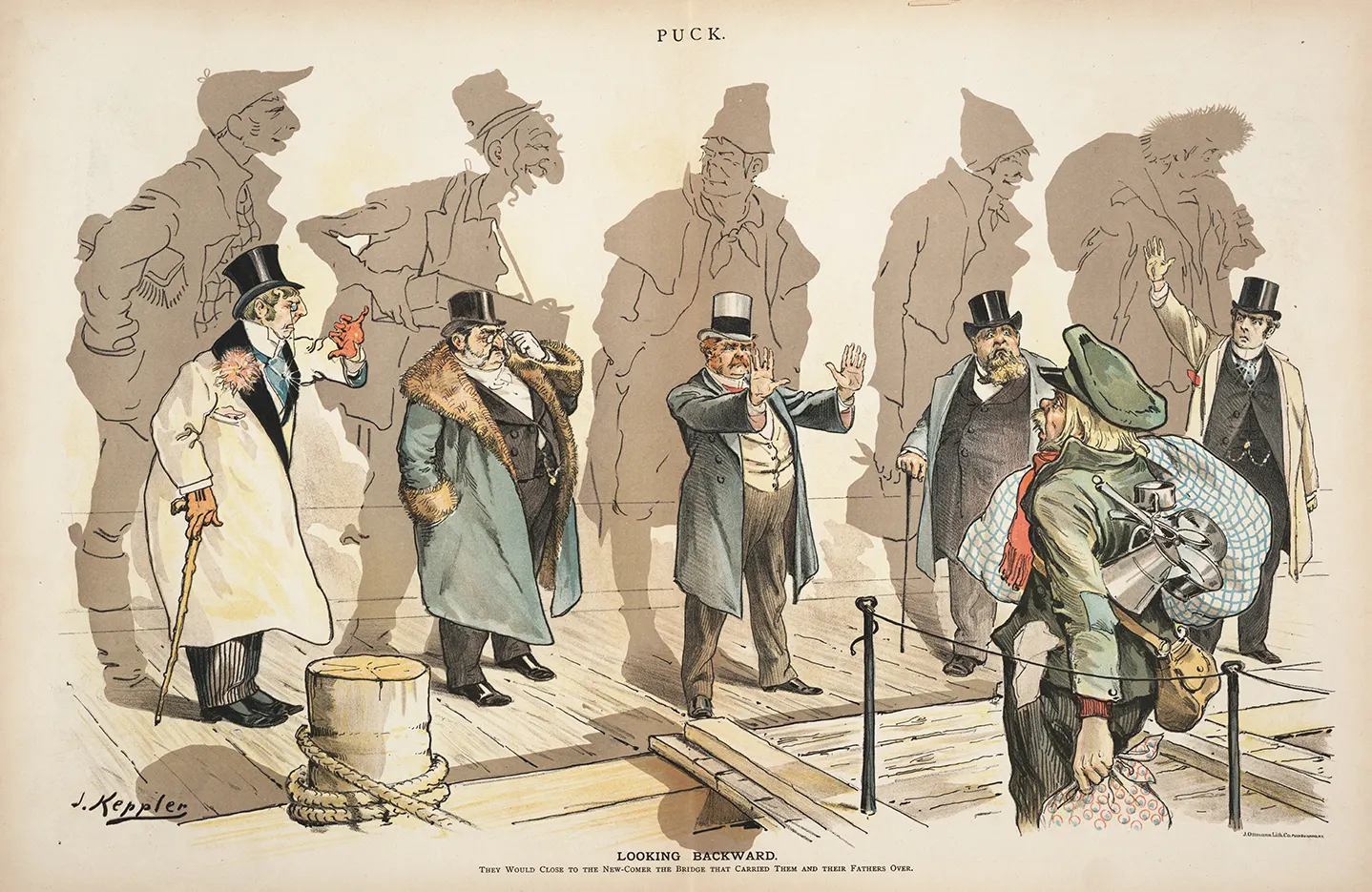
The slur ledger · Part 1The Hindoo invasionIn 1907 white mobs drove Indian mill hands out of Bellingham and Everett, and the papers called it a Hindoo invasion. The words behind it had been a century in the making, starting with missionary reports on the Juggernaut, and they ran on to a Supreme Court ruling in 1923 that Indians were not white. This is the ledger of who said what, and when.
- 1921–2022
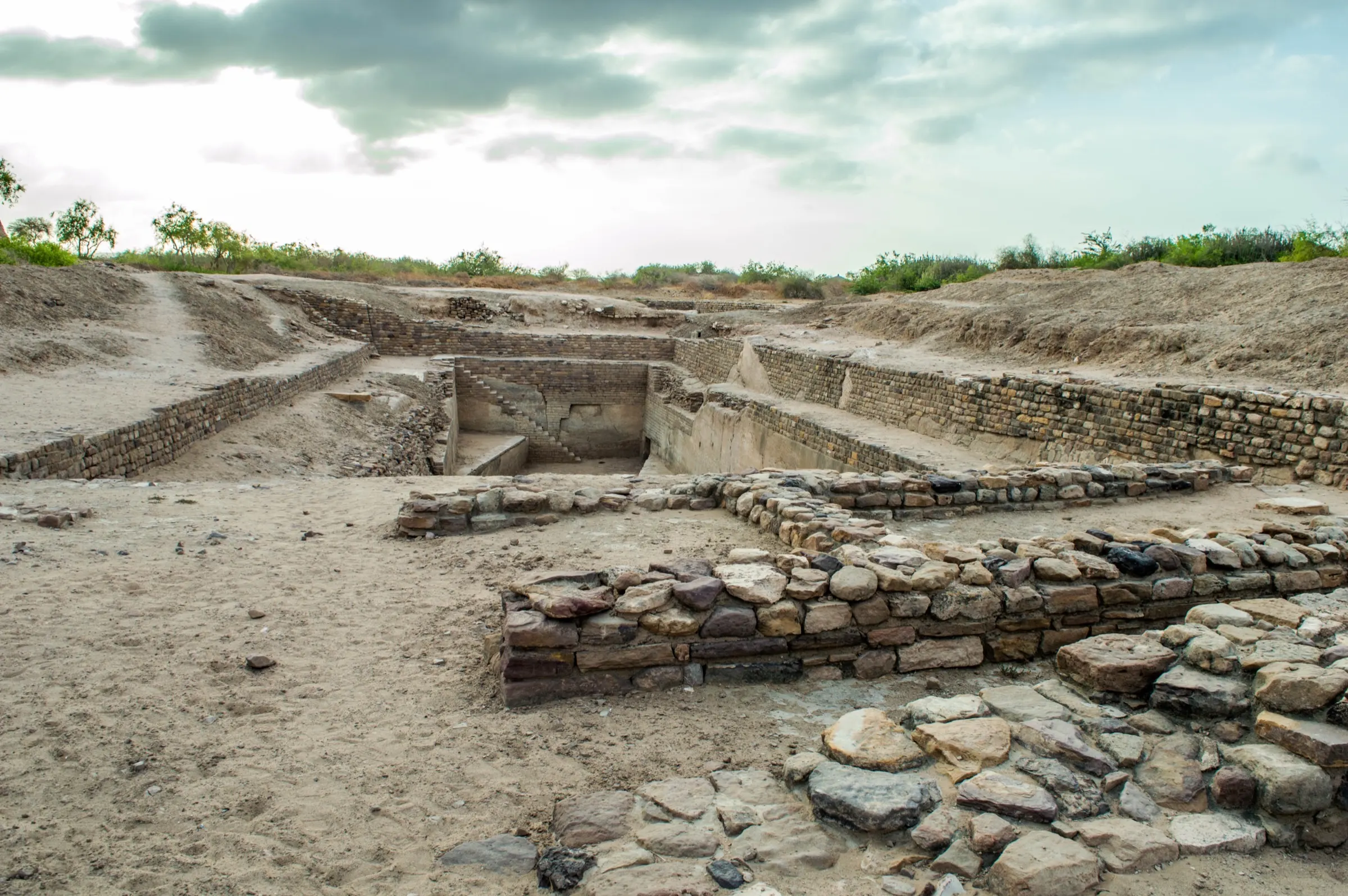
The Sindhu-Sarasvati citiesDug by Indians, filed under PakistanThe world knows India's first cities by the names of two sites that went to Pakistan in 1947. Indian archaeologists dug both of them first, most of the civilisation's known sites are in India, and since Partition Indian teams have dug almost all of the rest.
- 1965–2010
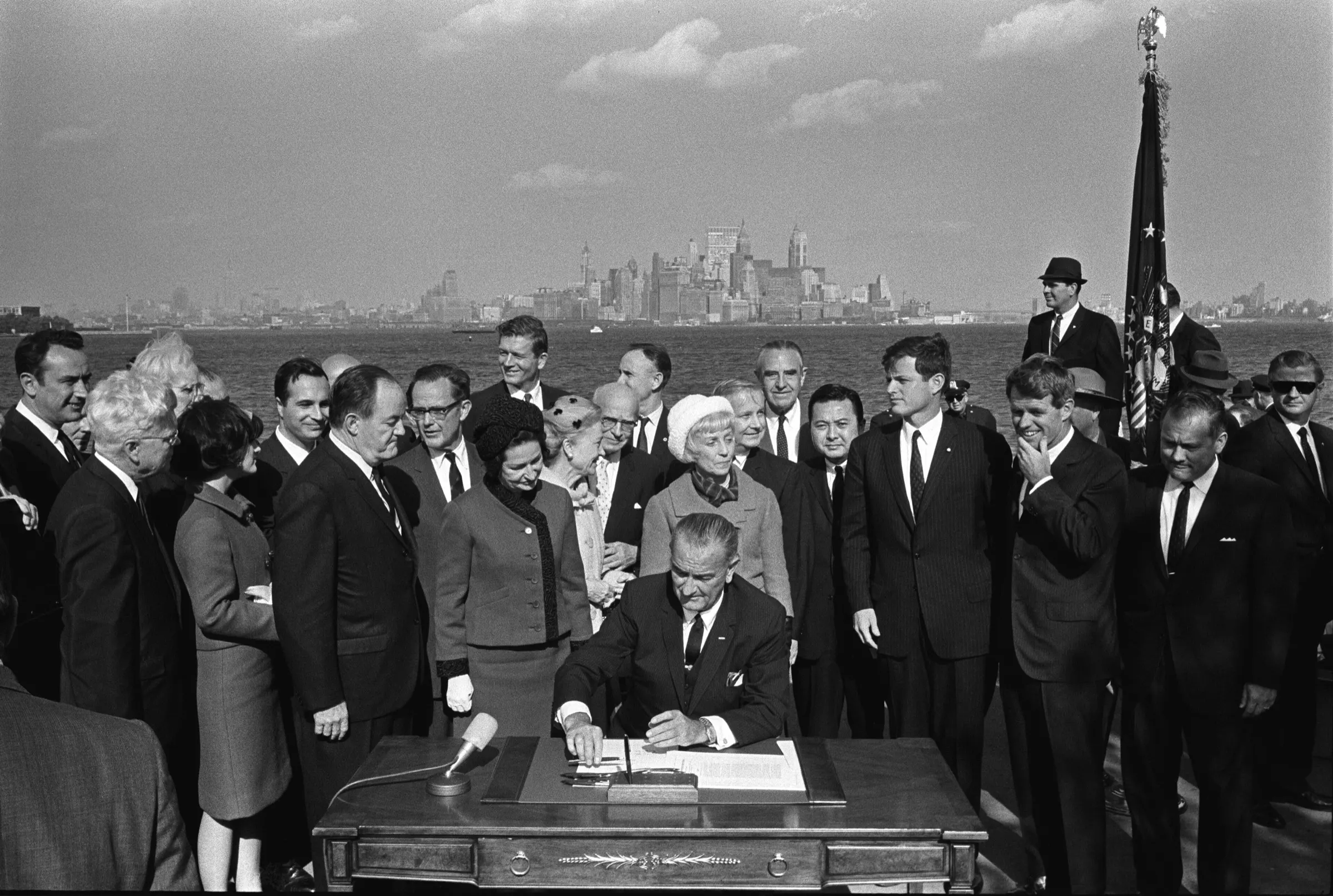
The slur ledger · Part 2Dot headsIn 1965 America opened its door to Indians, and by the summer of 1987 a gang in Jersey City had named itself after the dot worn on Indian foreheads. The slurs of the next 45 years, from the Dotbusters to Apu to a Senate campaign stop in Virginia, with the names of who said them and what they said afterwards.
- 1952–2026
H-1B · Part 1The lineCongress built the H-1B visa and the green card cap in 1990, and the final votes carried majorities of both parties. An Indian with an advanced degree whose green card can be finalised this month filed in 2013 or earlier. One who applies today is looking at projections of decades to more than a century. How the line was built, who voted for it, and what it does to the people standing in it.
- 2015–2026
H-1B · Part 2The scapegoatSeven in ten approved H-1B petitions are for Indians, so every charge against the programme lands on them. We took the charges one at a time: who made each, when, and what the record says. Some are true. The step from a guilty firm to a guilty nationality is where they stop being true.
- 2000–2026
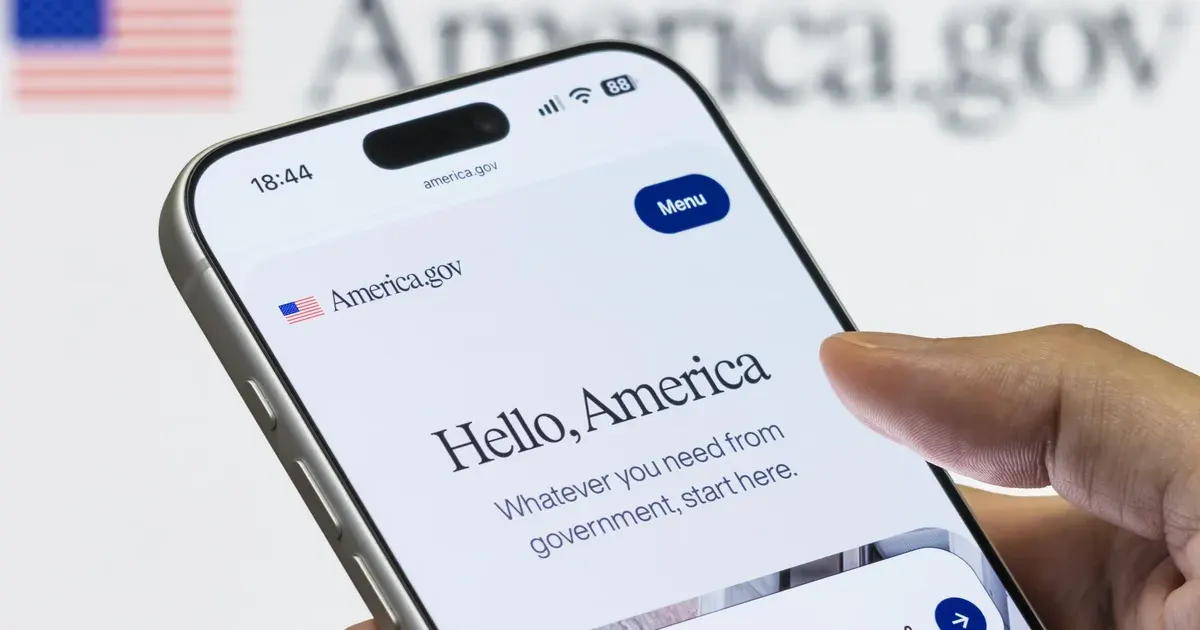
America.govHello, AmericaOn 29 September 2026 the White House opened America.gov, one front door to the whole federal government. On the first day it was a chatbot that knew 29,000 government websites, and it answered some questions the White House wished it had not.
- 1968–2026
AP liquor · Part 1Behind the grilleA liquor shop licence in a mid-sized Andhra Pradesh town costs ₹71.5 lakh a year, plus ₹7.5 lakh for a permit room and, for a renewing shop, about ₹27 lakh more. The state has budgeted ₹30,067 crore from excise this year. In Tadipatri, the buyer gets a grille in a wall, a queue in the sun, and, in the editor's experience, ₹30 added to the printed price of a beer. An open letter to the excise minister, with the figures.
- 1992–2026
AP liquor · Part 3A pub, not a grilleAn English pub's premises licence can cost £70 a year to keep. A liquor shop in Tadipatri pays ₹71.5 lakh for the counter and ₹7.5 lakh for a permit room whose published conditions, as far as the desk can find, say nothing about a chair or a fan. How Andhra Pradesh could keep its tax, drop the rents, open the trade to anyone who builds a decent place, and let any brand that pays its duty onto the shelf.
- 2010–2026
The slur ledger · Part 3 of 3The Indian questionFrom a gurdwara in Wisconsin in 2012 to a government poster of 'Mr. Singh' in 2026: the slurs that spread from 4chan, the fight over H-1B visas, the politicians, podcasters and attackers who took them up, and a podcast episode called 'The Indian Question'.