Section

Society

Population, work, health, class and migration: how people lived, as the record counted them.

  1. 2600 BCE–1890
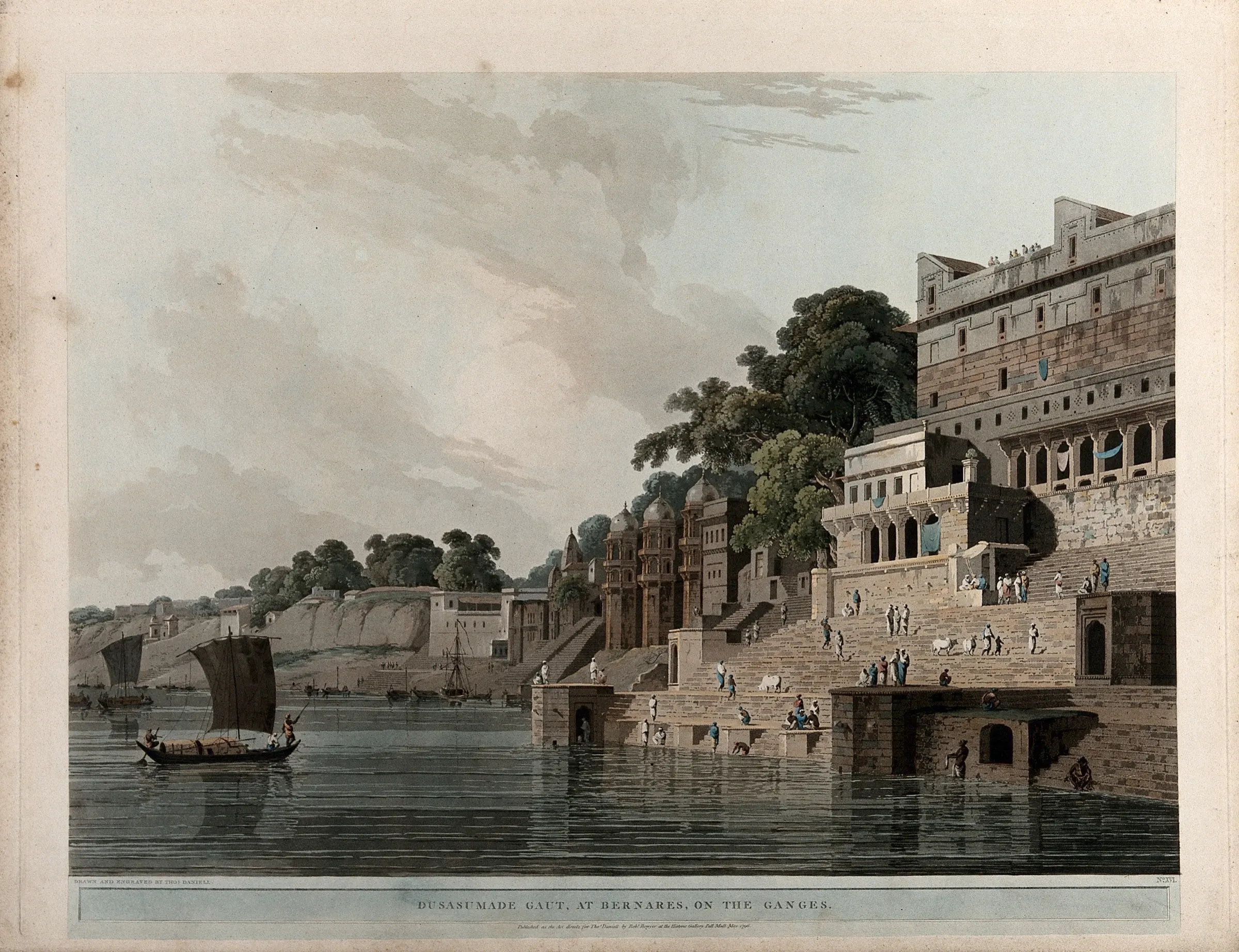
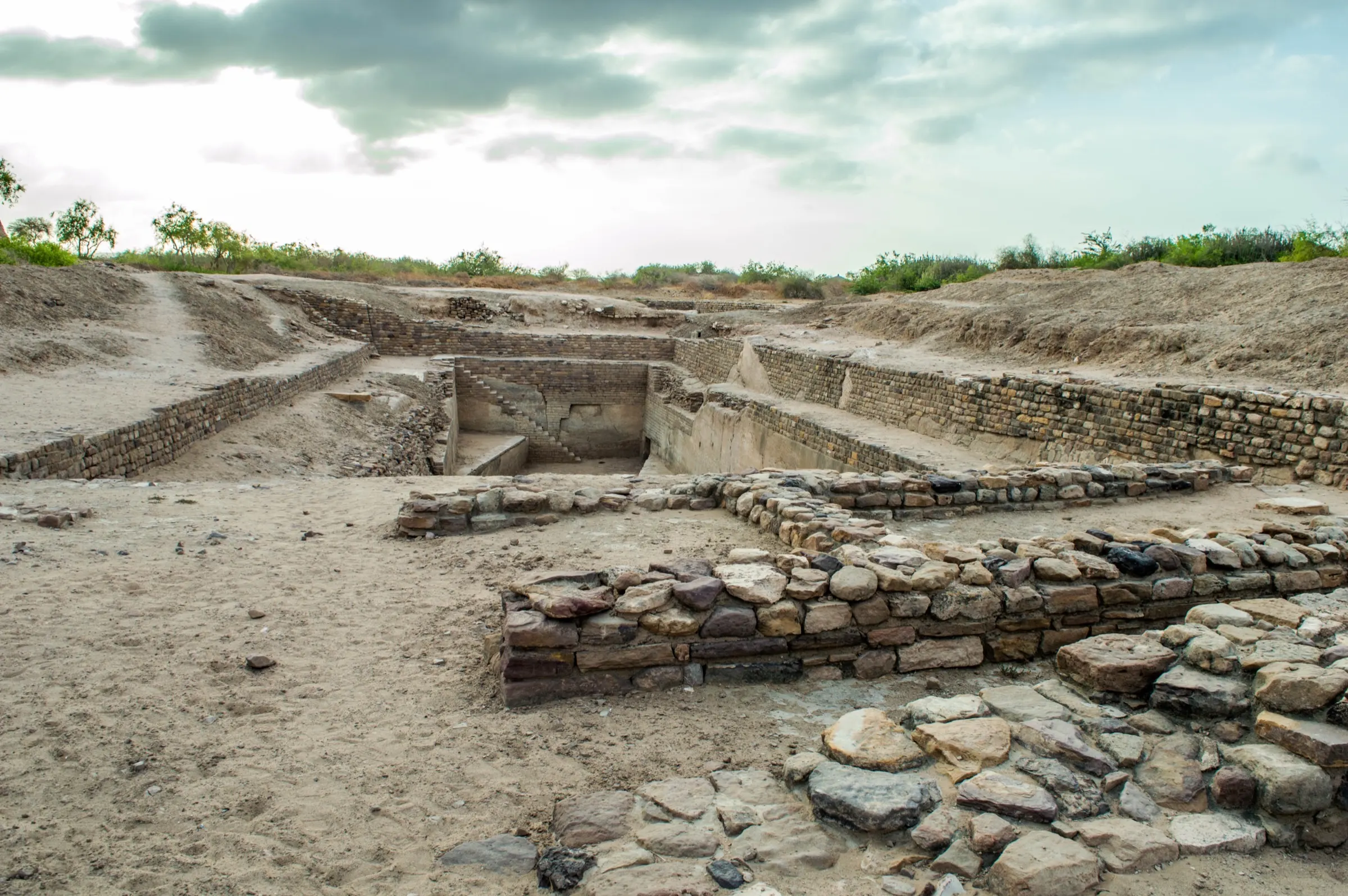
    India, washedStinking Western civilisationDrains and bathrooms in the Indus towns, rules for tooth-twigs and washing after the toilet in Sanskrit texts, and 1,300 years of foreign visitors who noticed. Europe's toilet paper, a French priest found, made Hindus feel sick.
  2. 922–1888
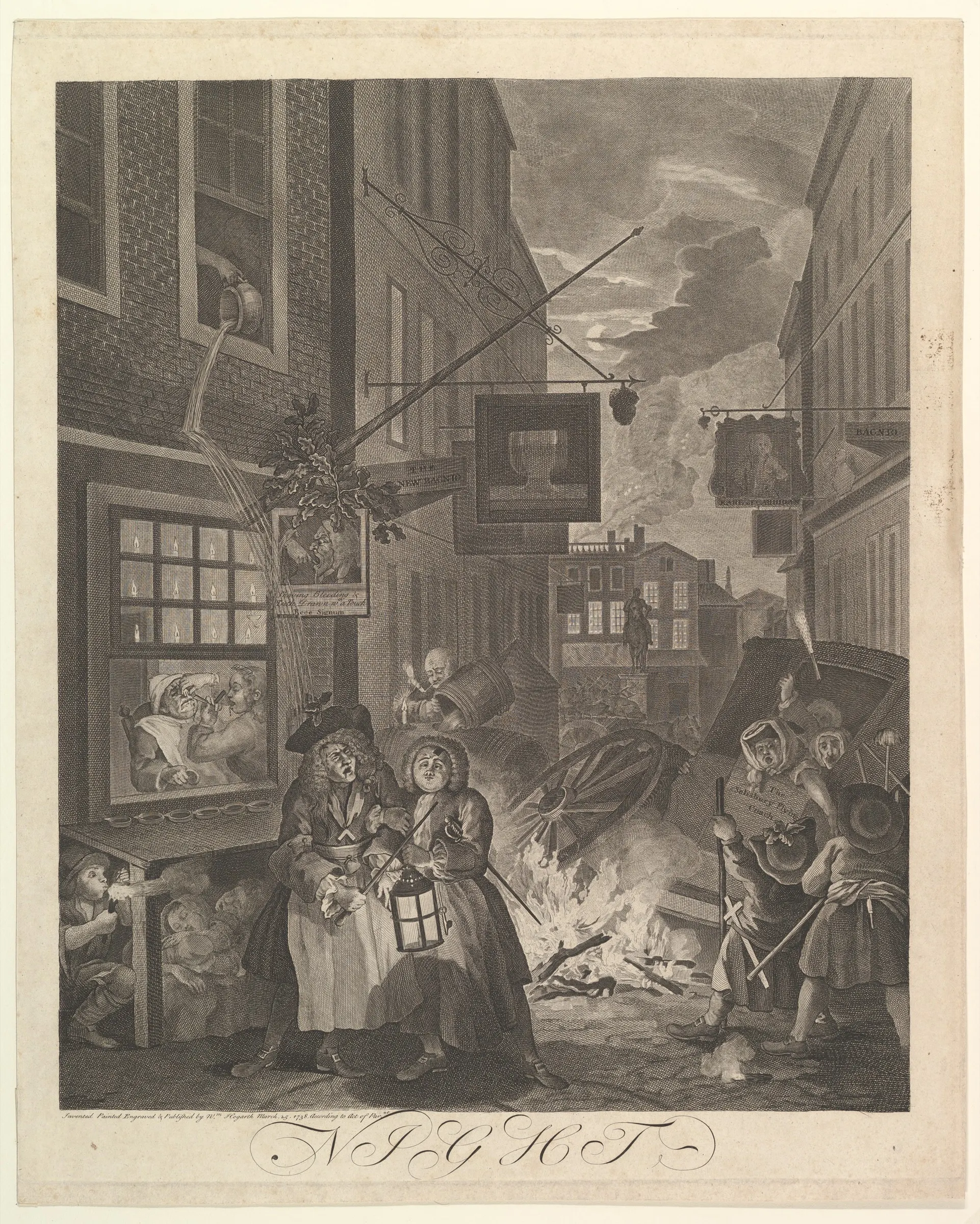
    Europe, unwashedThey stinkEurope likes to lecture India about hygiene. Its own records, from a Volga trading camp in 922 to the Houses of Parliament in 1858, tell of chamber pots out of windows, kings who would not get into a bath and a river so foul that MPs hung soaked canvas over the windows.
  3. 1790–2026
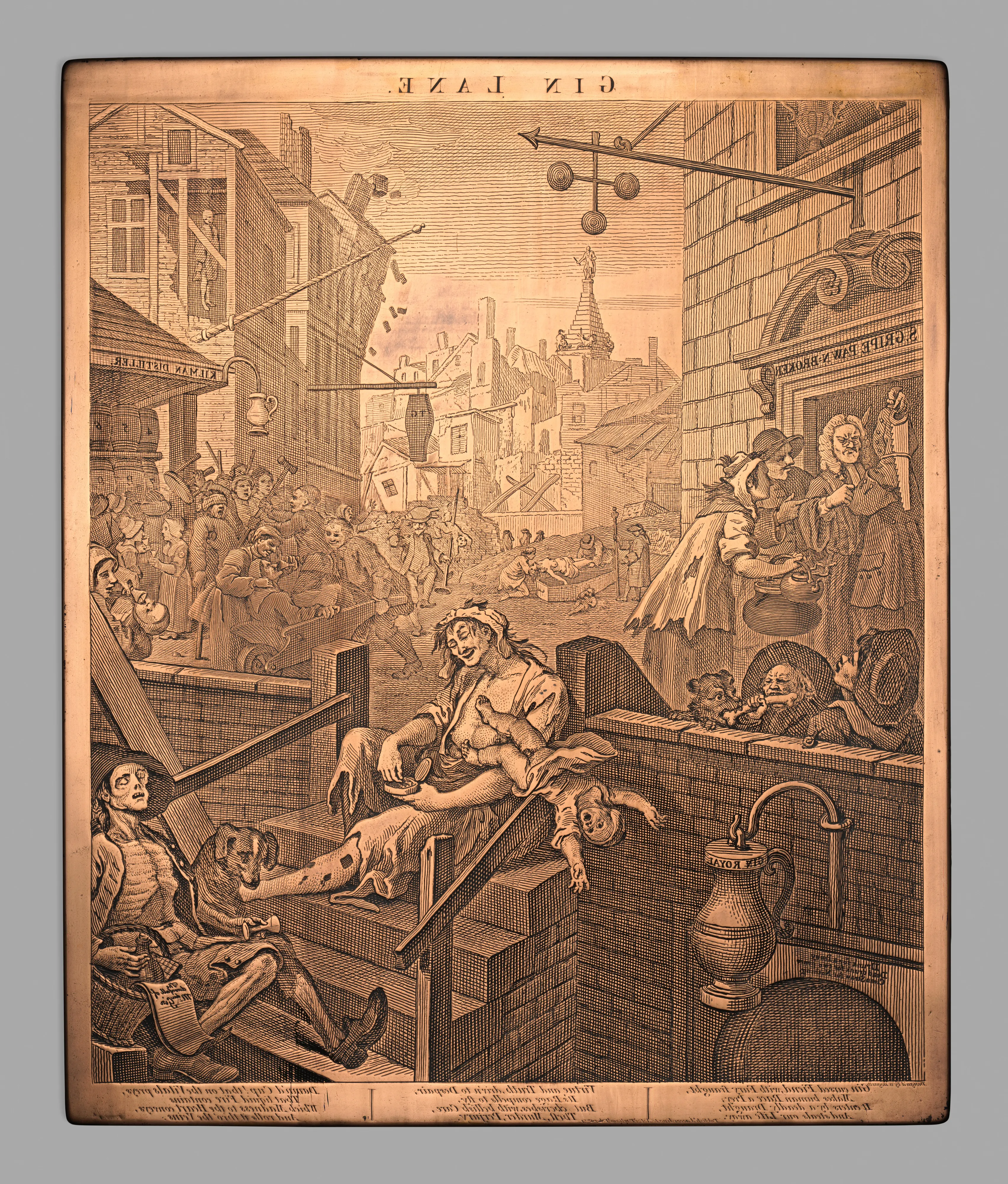
    AP liquor · Part 2The abkari rajIn 1907 the Imperial Gazetteer of India explained how the Raj sold liquor: the Collector fixed the number and place of the shops, and the right to sell was auctioned. Andhra Pradesh still fixes the shops and sells the right, now by lottery at a set fee, with the tax on top. A California liquor store pays $1,009 a year for its licence. At Andhra's rate, measured against income, it would pay up to $3.6m.
  4. 1321–1965
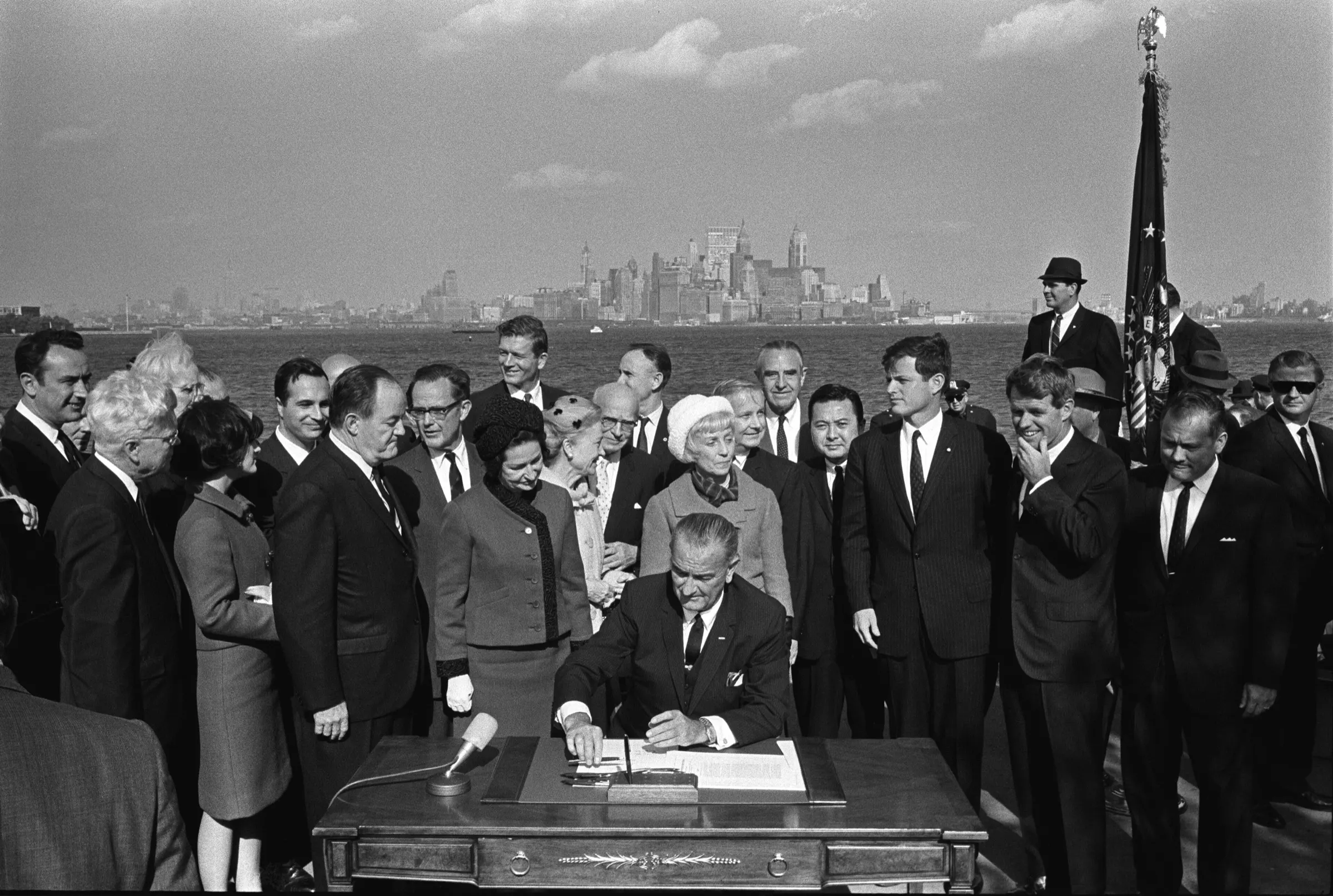
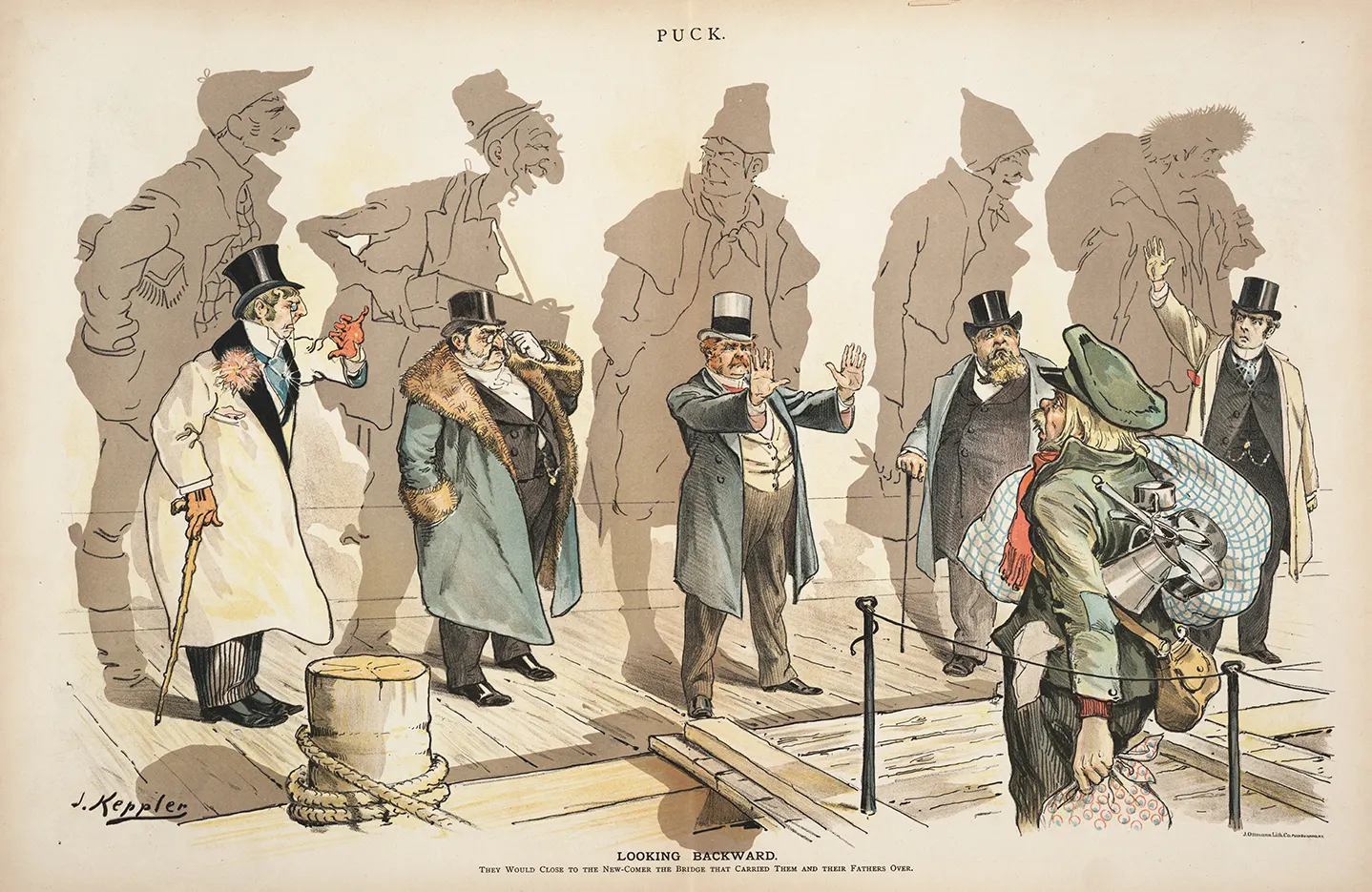
    The slur ledger · Part 1The Hindoo invasionIn 1907 white mobs drove Indian mill hands out of Bellingham and Everett, and the papers called it a Hindoo invasion. The words behind it had been a century in the making, starting with missionary reports on the Juggernaut, and they ran on to a Supreme Court ruling in 1923 that Indians were not white. This is the ledger of who said what, and when.
  5. 1921–2022
    The Sindhu-Sarasvati citiesDug by Indians, filed under PakistanThe world knows India's first cities by the names of two sites that went to Pakistan in 1947. Indian archaeologists dug both of them first, most of the civilisation's known sites are in India, and since Partition Indian teams have dug almost all of the rest.
  6. 1965–2010
    The slur ledger · Part 2Dot headsIn 1965 America opened its door to Indians, and by the summer of 1987 a gang in Jersey City had named itself after the dot worn on Indian foreheads. The slurs of the next 45 years, from the Dotbusters to Apu to a Senate campaign stop in Virginia, with the names of who said them and what they said afterwards.
  7. 1952–2026
    H-1B · Part 1The lineCongress built the H-1B visa and the green card cap in 1990, and the final votes carried majorities of both parties. An Indian with an advanced degree whose green card can be finalised this month filed in 2013 or earlier. One who applies today is looking at projections of decades to more than a century. How the line was built, who voted for it, and what it does to the people standing in it.
  8. 1972–2026
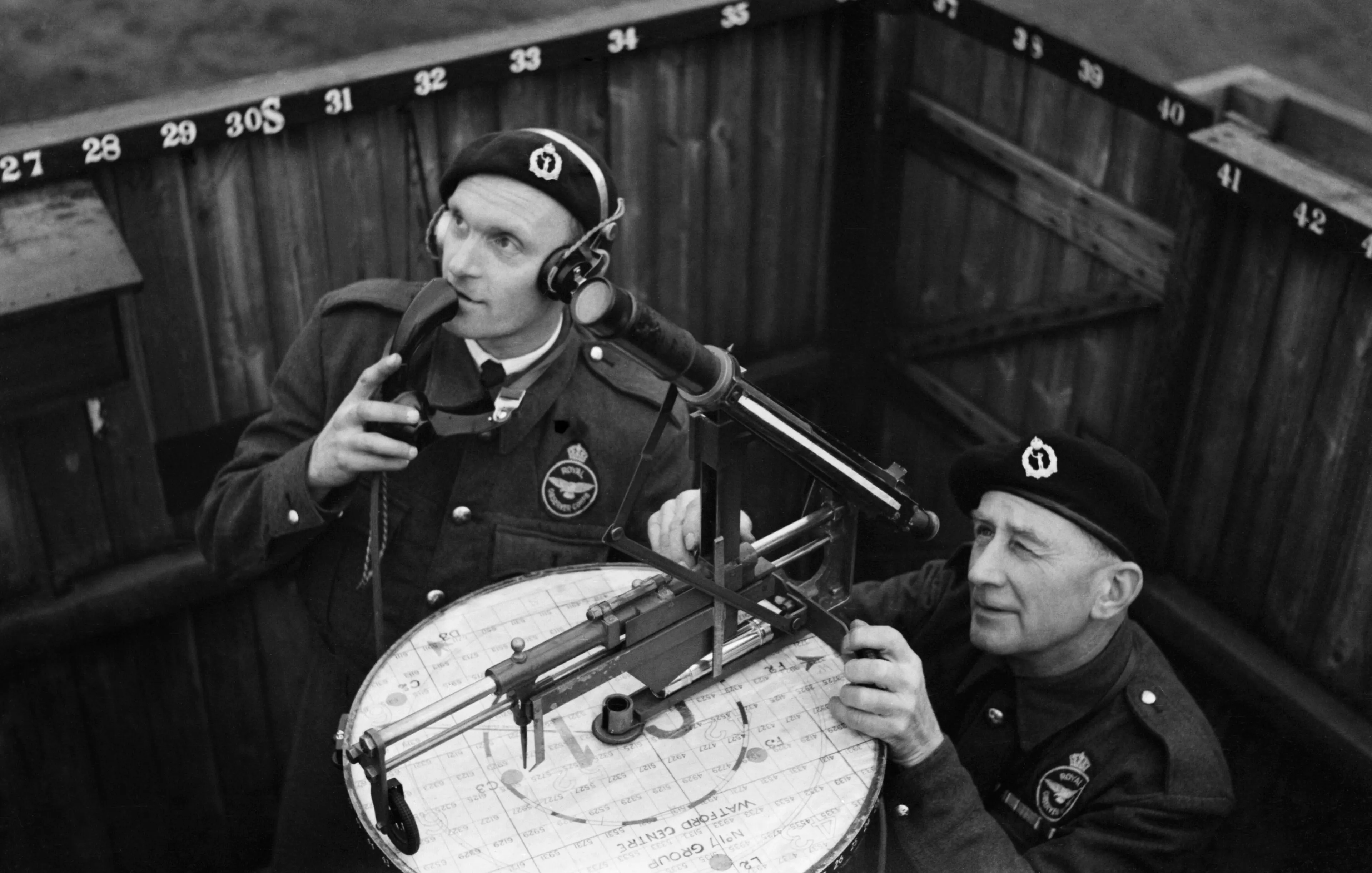
    Read the world · Part 2Eyes upTwenty of 24 radiologists missed a gorilla placed in a lung scan, and 12 of them had looked straight at it. The US Army's influence manual, the Marines' Combat Hunter course and research on pilots' mistakes all deal with the same problem: how to notice what is in front of you, and what normal looks like before something changes. Part 2 sets out the methods and the drills.
  9. 1957–2026
    Read the world · Part 1Read the roomThe US Army trains its influence soldiers to study a group of strangers before saying a word to them: who does what, who they listen to, what they fear and want, and what would make them change. The method was written for foreign villages. It works in a meeting, a family and a new job, and it starts this series.
  10. 1978–2026
    Read the world · Part 3The soft sellThe Army's influence manual builds every campaign the same way: one plain argument, an appeal chosen for the listener, proof, repetition and a test run. The method works on a boardroom as well as a valley in Afghanistan, and it shows where persuasion turns into manipulation.
  11. 1.5 million years ago–5000 BCE
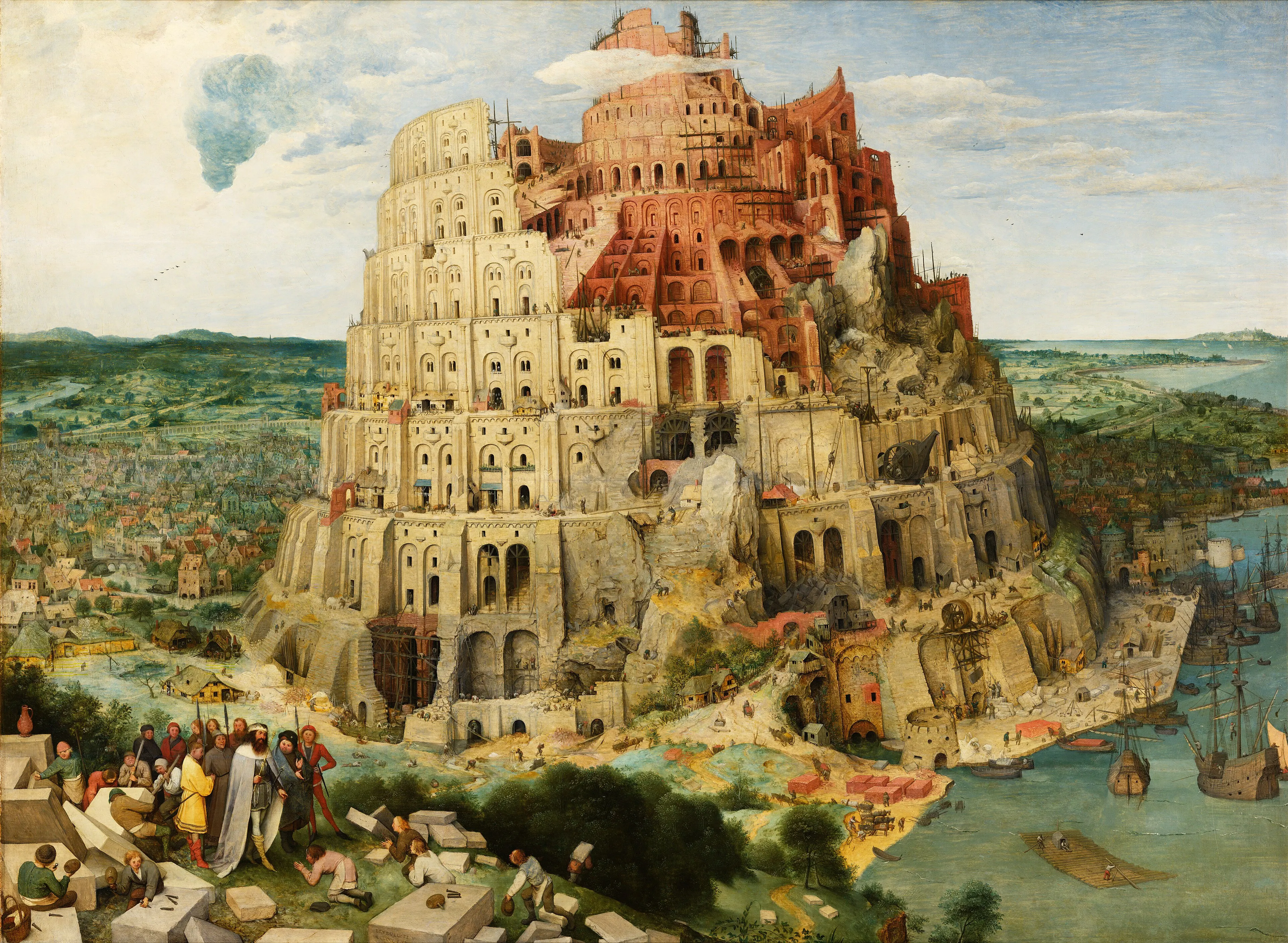
    India's oldest groundOlder than your civilisationStone tools 1.5 million years old near Chennai, a hearth older than the Toba eruption in Andhra, rice in the Ganga plain 8,000 years ago. A tour of India's oldest ground, from Tamil Nadu to Haryana, as the Indian teams who dug it reported it.
  12. 200 BCE–2027
    Water v paperWipe and prayIndia settled the question with a jar of water some 2,000 years ago. The West tried a sponge on a stick, a goose, a mail-order catalogue and medicated sheets, and settled on a roll of paper that costs it forests, fights in supermarkets and a 130-tonne lump under Whitechapel.
  13. 2500 BCE–2023
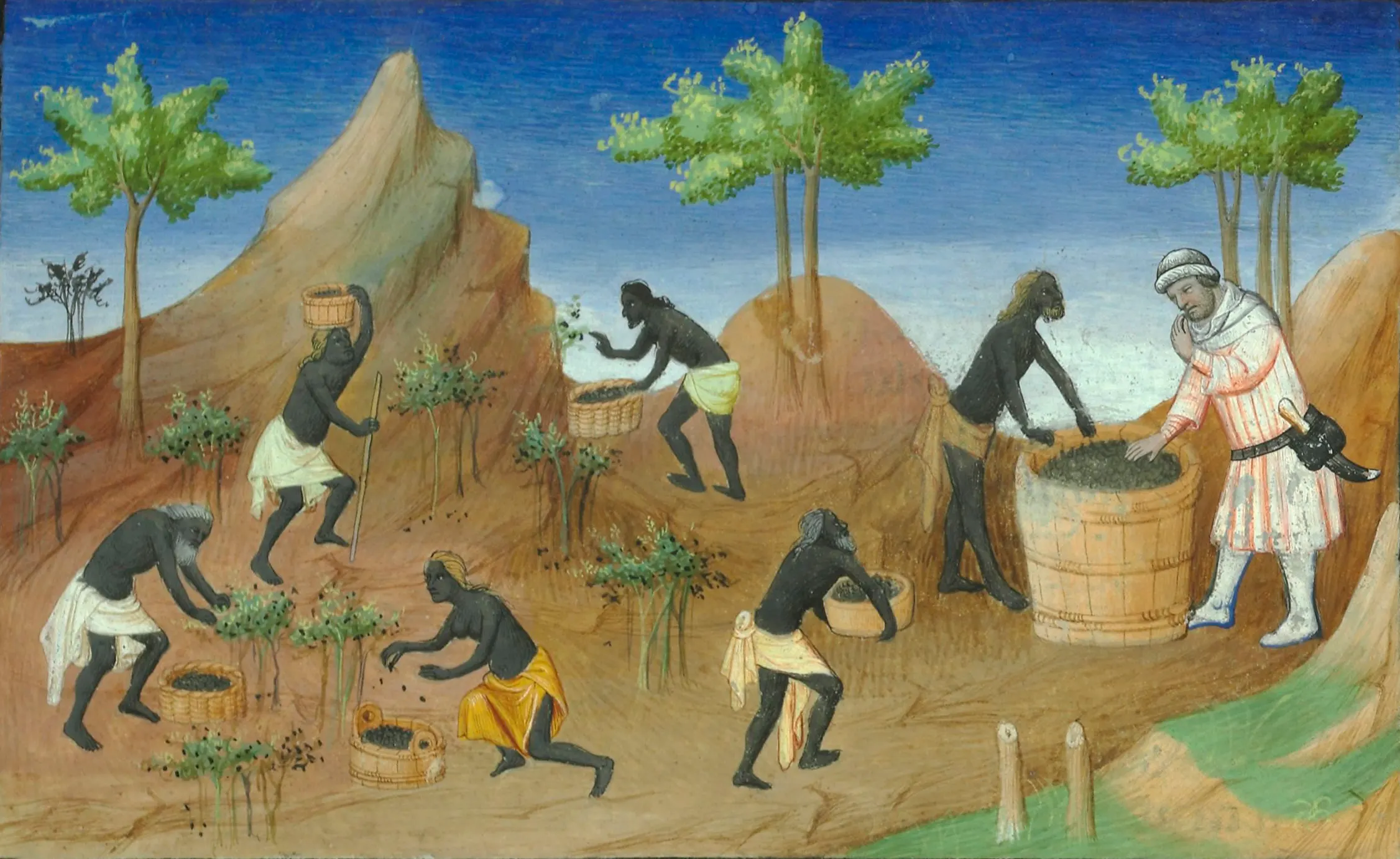
    The smell of IndiaCurry doesn't stink, you doThe word curry began as the Tamil for pepper, and for 2,000 years the world paid gold for that smell. Rome, Lisbon, Amsterdam and London sailed for it. Then some of their descendants decided it stank.
  14. 2015–2026
    H-1B · Part 2The scapegoatSeven in ten approved H-1B petitions are for Indians, so every charge against the programme lands on them. We took the charges one at a time: who made each, when, and what the record says. Some are true. The step from a guilty firm to a guilty nationality is where they stop being true.
  15. 1968–2026
    AP liquor · Part 1Behind the grilleA liquor shop licence in a mid-sized Andhra Pradesh town costs ₹71.5 lakh a year, plus ₹7.5 lakh for a permit room and, for a renewing shop, about ₹27 lakh more. The state has budgeted ₹30,067 crore from excise this year. In Tadipatri, the buyer gets a grille in a wall, a queue in the sun, and, in the editor's experience, ₹30 added to the printed price of a beer. An open letter to the excise minister, with the figures.
  16. 1992–2026
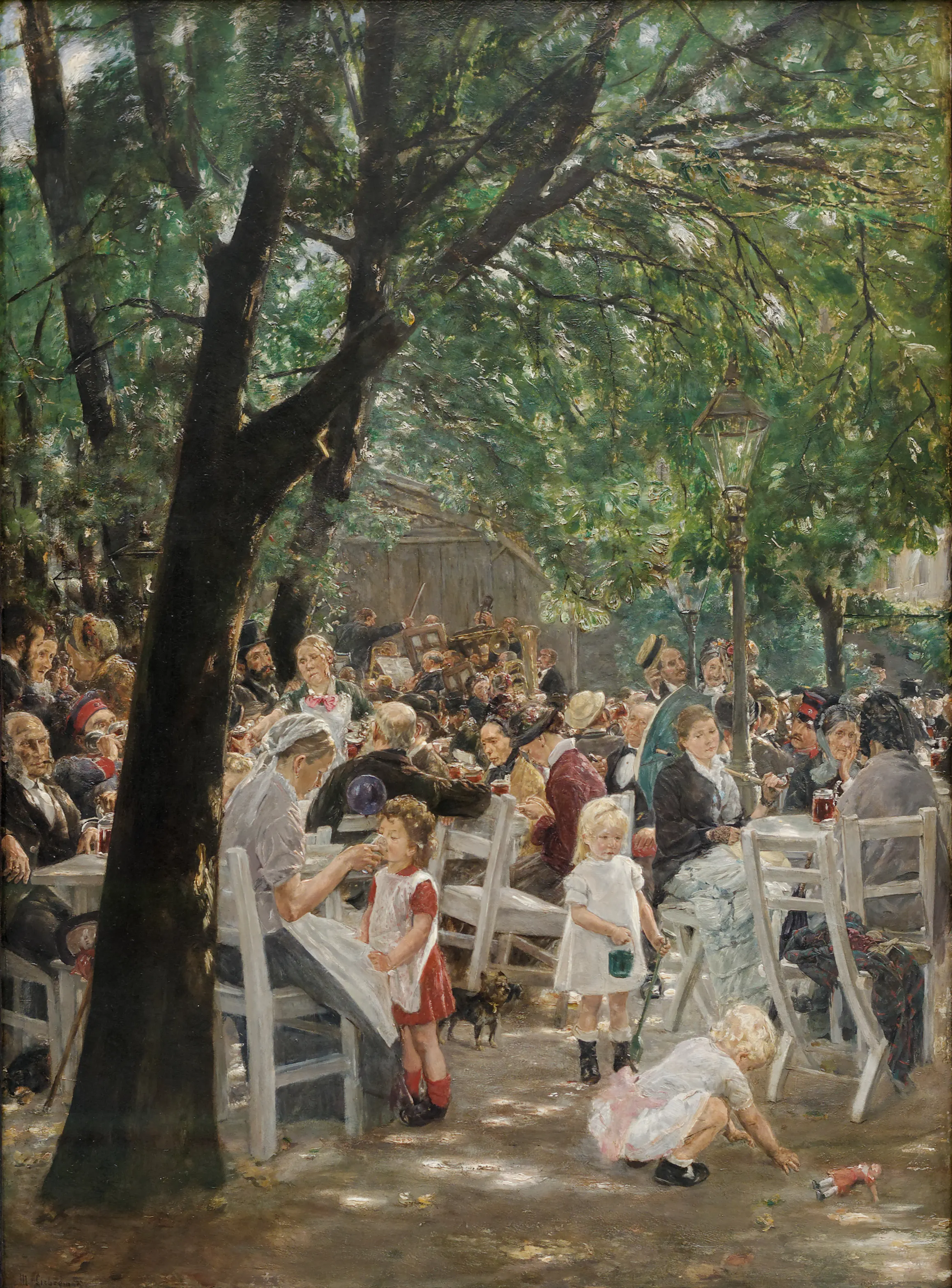
    AP liquor · Part 3A pub, not a grilleAn English pub's premises licence can cost £70 a year to keep. A liquor shop in Tadipatri pays ₹71.5 lakh for the counter and ₹7.5 lakh for a permit room whose published conditions, as far as the desk can find, say nothing about a chair or a fan. How Andhra Pradesh could keep its tax, drop the rents, open the trade to anyone who builds a decent place, and let any brand that pays its duty onto the shelf.
  17. 1968–2026
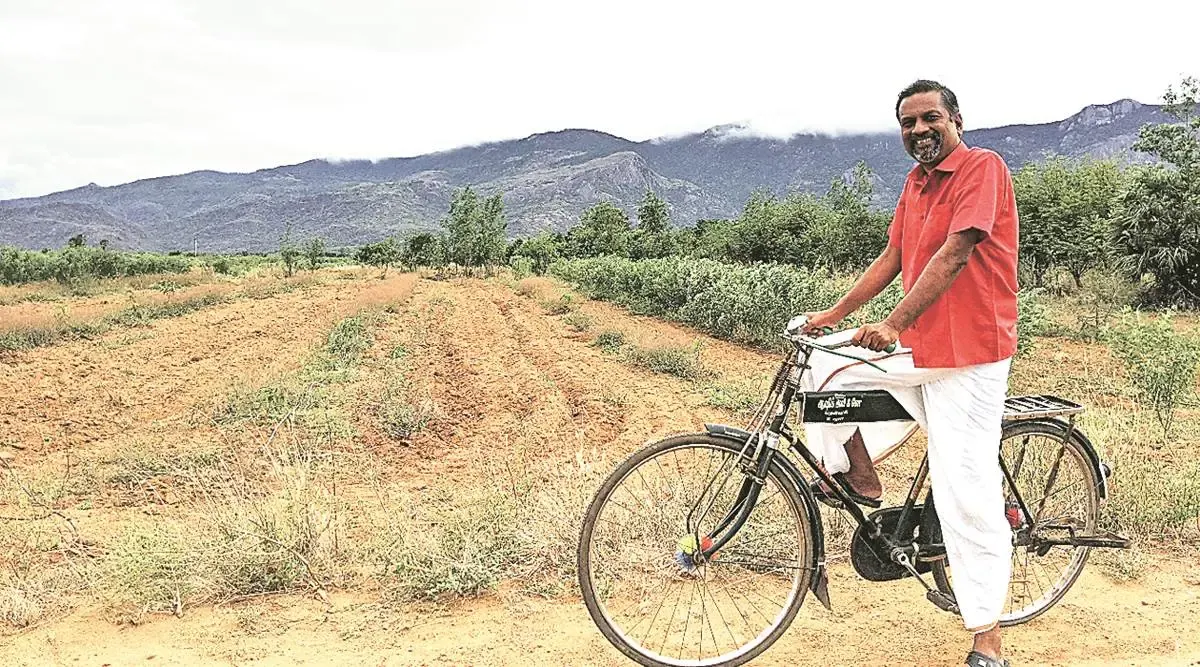
    Sridhar Vembu and ZohoThe billionaire who moved to the villageSridhar Vembu left a clerk's household in Chennai for IIT and Princeton, spent three decades building Zoho abroad without a rupee of outside money, then took his desk to a village in Tenkasi.
  18. 1918–2026
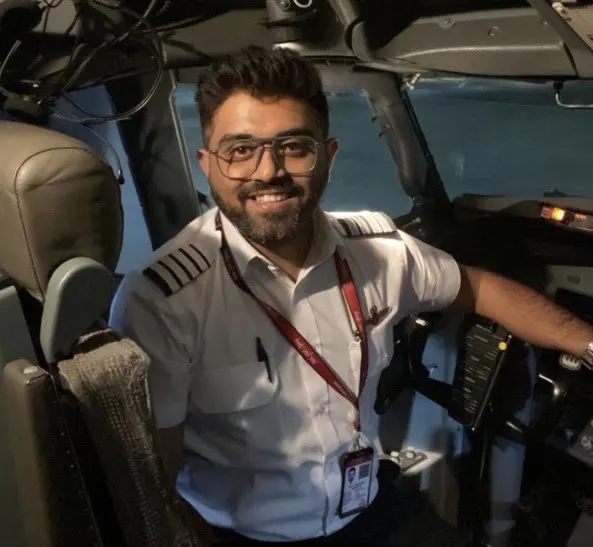
    From Haifa to TabukThe Indian captain who saved the dayA century after Indian lancers rode into Haifa, an Indian pilot bound for Tel Aviv was knifed in his own cockpit, and still got the door open.
  19. 2010–2026
    The slur ledger · Part 3 of 3The Indian questionFrom a gurdwara in Wisconsin in 2012 to a government poster of 'Mr. Singh' in 2026: the slurs that spread from 4chan, the fight over H-1B visas, the politicians, podcasters and attackers who took them up, and a podcast episode called 'The Indian Question'.